
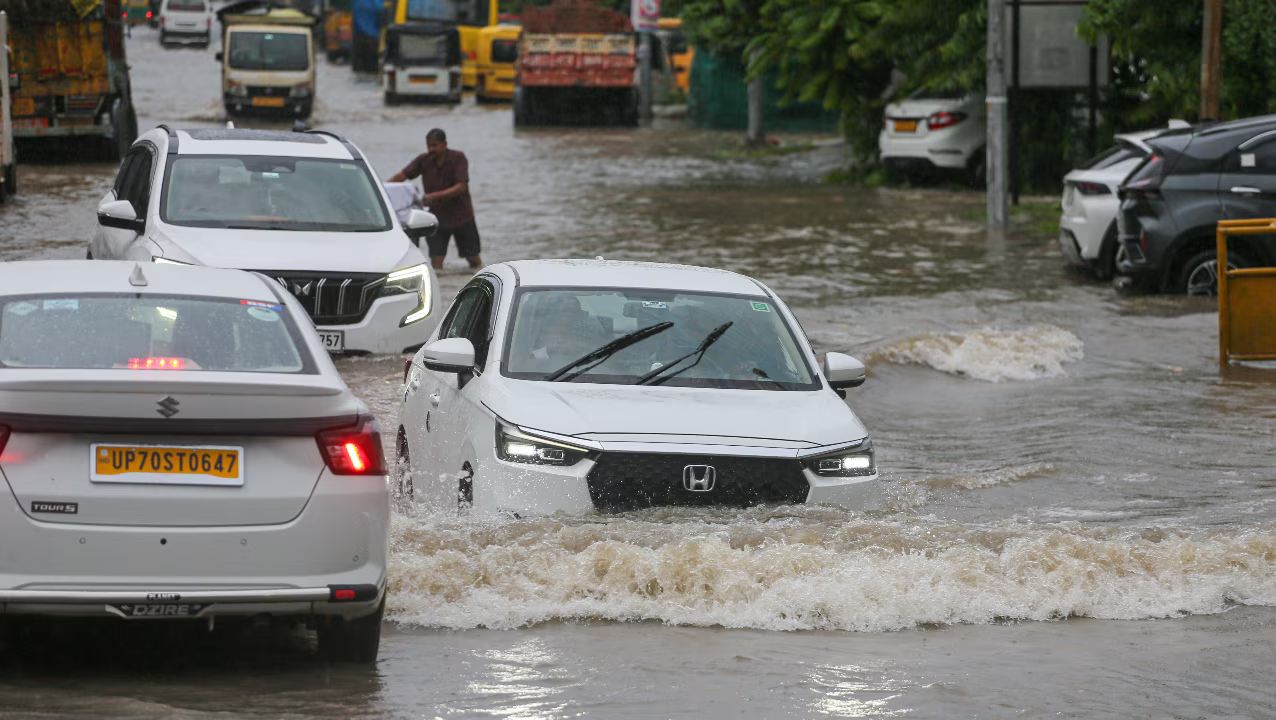
The India Meteorological Department expects September rainfall to remain below 91% of the Long Period Average (167.9 mm), accompanied by above-normal maximum temperatures nationwide.
Updated: August 31, 2026, 10:41 PM IST
Share Article
https://www.india.com/news/india/september-weather-forecast-will-it-continue-to-rain-heavily-this-month-heres-what-imd-predicts-on-el-nino-conditions-8513941/
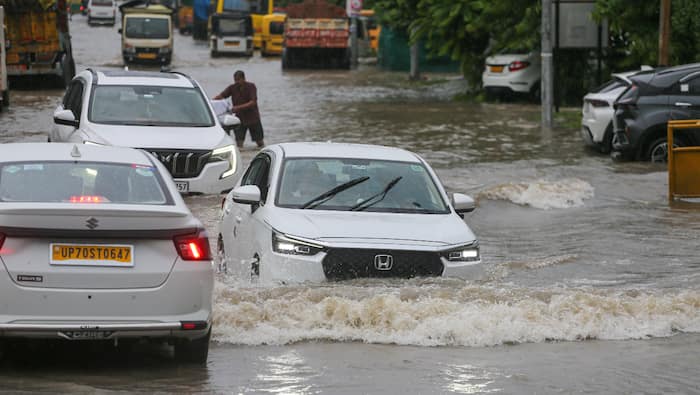
Rain lashes city- File image
IMD September weather forecast: The India Meteorological Department (IMD) on Monday issued its monthly weather forecast for September, predicting below-normal rainfall across the country along with higher-than-average temperatures in most regionsAccording to the weather bureau, nationwide precipitation in September is expected to drop below 91% of the Long Period Average (LPA), which is calculated at 167.9 mm based on historical data from 1971 to 2020
While widespread deficits are anticipated, localized regions across the northwest, northeast, east, east-central and southeast peninsular parts of India are likely to experience normal to above-normal rainfall. Meanwhile, probabilistic model projections point toward drier overall conditions alongside elevated monthly average maximum temperatures across most of the nation.
IMD predicts Monthly average minimum temperatures
Monthly average minimum temperatures are also expected to be above normal over most regions, except some parts of northwest, west-central and northeast India, where they are likely to be normal to below normalCurrently, strong El Nino conditions are prevailing over the equatorial Pacific Ocean, with sea surface temperatures remaining above normal across the central and eastern equatorial Pacific, the IMD press release saidThese conditions are expected to strengthen further in the coming monthsNeutral Indian Ocean Dipole (IOD) conditions currently prevail over the Indian Ocean.
Forecasts from IMD’s Monsoon Mission Coupled Forecast System (MMCFS) suggest that neutral IOD conditions are likely to persist through SeptemberHowever, some international climate centres indicate a possible transition to positive IOD conditions from September onwards.
What can be the impact of below-normal rainfall?
Below-normal rainfall can adversely affect agriculture, water resources, hydropower generation, ecosystem sustainability and drinking water availability, while also increasing the risk of heat stress in several regions.
IMD has advised timely preparedness measures, including water conservation, efficient resource management and agricultural contingency planning by agencies and stakeholders concernedThe IMD will issue the forecast for the Northeast Monsoon Season (October to December 2026) and the rainfall and temperature outlook for October towards the end of September.
(With inputs from agencies)