During the communal violence that engulfed Calcutta in 1946, supporters believe the organization played a crucial role in protecting local communities and providing assistance to those affected.
Published: June 25, 2026, 6:49 AM IST
Share Article
https://www.india.com/news/india/gopal-patha-gopal-mukherjee-calcutta-direct-action-day-huseyn-shaheed-suhrawardy-jawaharlal-nehru-mahatma-gandhi-jinnah-partition-boubazar-area-hindi-muslim-8456342/
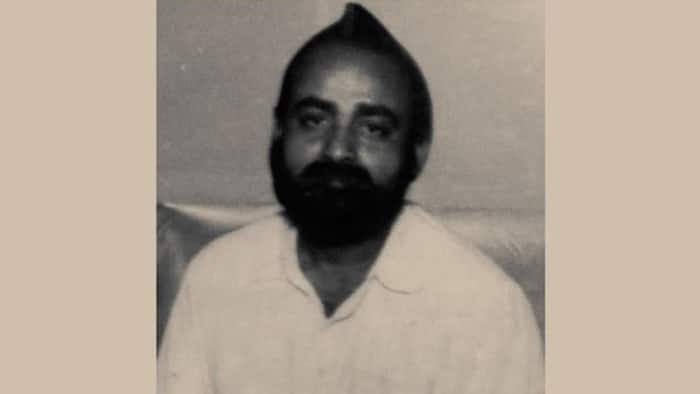
Gopal Patha
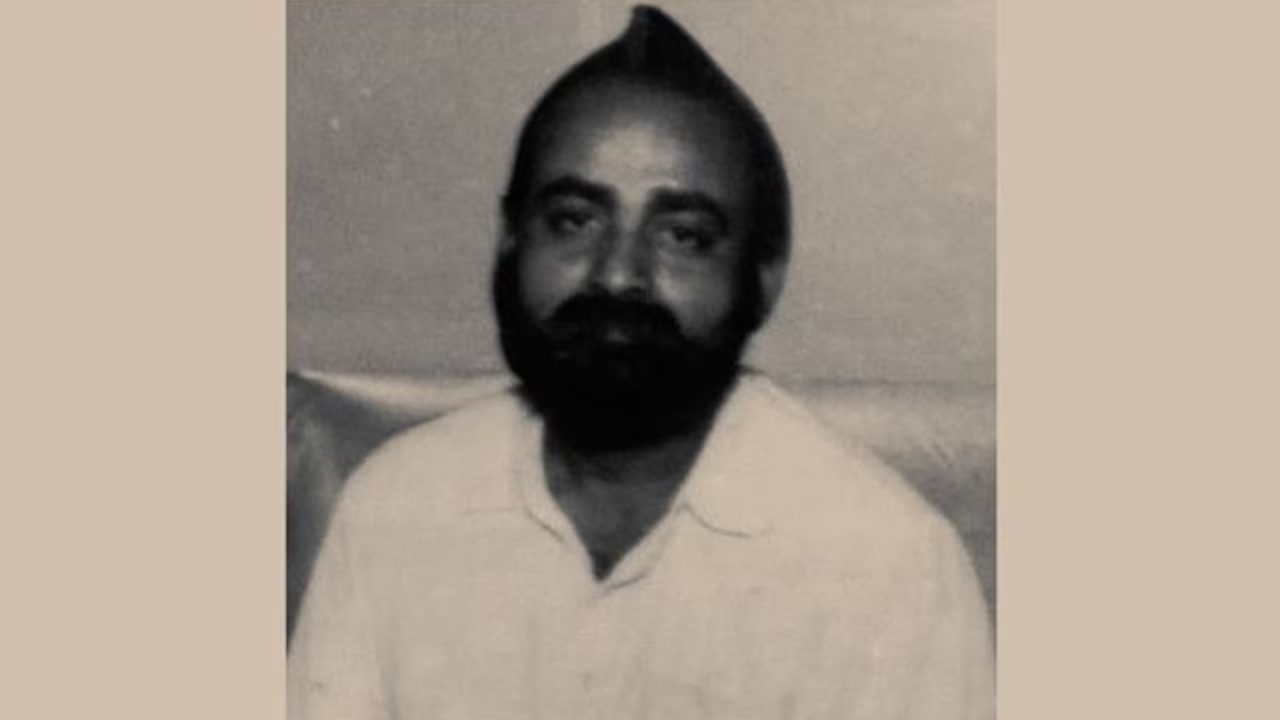
New Delhi: Gopal Chandra Mukherjee, also known as Gopal Patha, hailed from a family that ran a mutton shop in Kolkata. Born in the Boubazar area of Calcutta, Gopal Patha was no ordinary shopkeeper but a well-built wrestler who commanded respect from all communities. Gopal was not driven by blind communal hatred; he was known to have friends and business associates across communities.
During the turbulent days before India’s independence, when the streets of Calcutta ran with fear and uncertainty, Gopal Patha emerged as both a saviour and a symbol of defiance.
All you need to know about Gopal Patha?
- Gopal Patha was born as Gopal Chandra Mukherjee
- He later earned the nickname “Patha” (meaning goat) because his family was involved in the goat meat trade.
- Gopal Patha lived in north Calcutta and was known locally as a physically imposing and influential figure with strong connections in his neighborhood.
- During the turbulent final years of British rule, he emerged as a leader among sections of the city’s Hindu community.
- The All-India Muslim League, on August 16, 1946, called for Direct Action Day to push its demand for Pakistan.
- The demonstrations in Calcutta descended into large-scale communal violence between Hindus and Muslims
- It resulted in thousands of deaths over several days in what later came to be known as the Great Calcutta Killings.
- According to many historical accounts, Gopal Patha organized armed Hindu groups that fought Muslim mobs in several parts of the city.
- Supporters portray him as a defender who organized resistance after Hindu neighborhoods came under attack.
- Critics and some historians argue that retaliatory violence carried out by Hindu groups under leaders such as Gopal Patha contributed to the escalation of the riots and increased casualties on both sides.
Direct Action Day
The Muslim League’s call for Direct Action Day to demand Pakistan unleashed one of the bloodiest communal riots in Calcutta’s history. For four days, the streets of Bengal ran with blood as the city descended into chaos. Hindu families were attacked, shops were looted, and countless lives were destroyed. The administration under Huseyn Shaheed Suhrawardy, then the Premier of Bengal, was accused of turning a blind eye, leaving ordinary people to fend for themselves.
Gopal witnessed the carnage firsthand. Women and children were butchered, homes burned, and terrified families fled in every direction. For him, the choice was clear, fight back or be slaughtered.
The Bharat Jatiya Bahini
It is important to note that Gopal deeply admired Subhas Chandra Bose’s ideals of organized resistance for freedom. Even before the riots broke out, he had founded the nationalist organization Bharat Jatiya Bahini. The group comprised around 600–800 young men to assist people in distress and carry out relief work during natural calamities and emergencies.
During the communal violence that engulfed Calcutta in 1946, supporters believe the organization played a crucial role in protecting local communities and providing assistance to those affected. Through contacts with ex-servicemen and black-market traders, he secured firearms, grenades, and ammunition, much of it left over from World War II supplies traded by foreign soldiers stationed in the city.
His instructions were chilling but clear: “If they kill one of ours, kill ten of theirs.”
How Gopal Patha Turned The Tide
Gopal’s supporters and volunteers had begun organizing resistance in several affected neighbourhoods by August 17 amid the escalating violence that followed Direct Action Day. According to accounts from his supporters, these groups set up barricades, lookout posts, and rapid-response teams to protect Hindu localities that had come under attack. Areas that had witnessed unchecked violence now saw organized resistance, and within days the course of the riots began to change.
As the violence escalated, senior Muslim League leaders, including Suhrawardy himself, approached Gopal with appeals to stop the bloodshed. Gopal refused unless the Muslim League first ordered their supporters to stand down and disarm. His iron stance forced a mutual cessation, and by 20 August, the worst of the killing subsided.
Gopal’s counteroffensive prevented a mass exodus of Hindus from Calcutta and foiled attempts to push the city toward East Pakistan in the Partition settlement.