The government plans to provide financial incentives to owners who scrap their old BS-3 and BS-4 vehicles and switch to new BS-6, CNG or electric models.
Published: September 2, 2026, 10:57 PM IST
Share Article
https://www.india.com/news/india/delhis-new-vehicle-owners-to-get-10-year-tax-break-78000-commercial-vehicles-targeted-8515627/
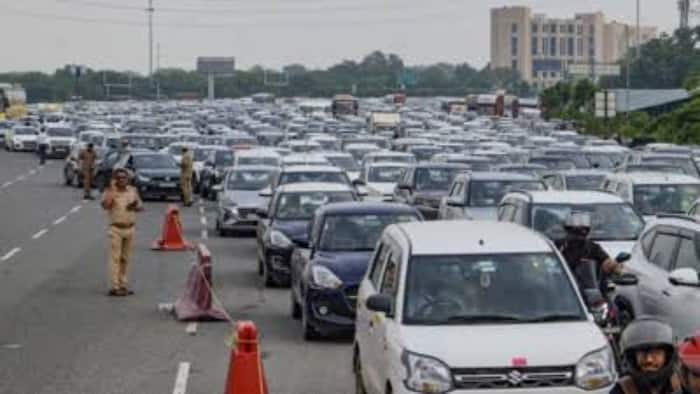
Owners who replace their old vehicles with new ones will receive several incentivesRepresentational image
The Delhi government is working on a new policy to curb pollution by phasing out old, high-emission commercial vehiclesIt has approved the implementation of the “Parivartan Yojana”, under which older vehicles will be replaced with less-polluting onesThe campaign is also being taken up across the NCR, with nearly 78,000 BS-3 and BS-4 vehicles identified so far.
Read more:
Modi govt’s new truck rules: Transport Ministry issues strict safety guidelines for tippers, dumpers
Under the proposed plan, vehicle owners will receive financial incentives for scrapping BS-3 and BS-4 vehicles and purchasing cleaner BS-6, CNG or electric modelsThe move will not be mandatory, meaning owners can decide whether to replace their vehiclesThe central government will also back the initiative, which seeks to cut emissions from trucks and buses ahead of the next winter season.
Tax exemption on new vehicles for 10 years on replacement of vehicle
Owners who replace their old vehicles with new ones will receive several incentivesThe key benefit is a complete waiver of motor vehicle tax and registration fees for 10 years after scrapping the old vehicle and purchasing a new one.
The scheme will also provide a 5 per cent interest subsidy on loans taken to purchase new vehiclesParticipating vehicle manufacturers will offer an extra 8 per cent discount, while eligible buyers will receive a one-time benefit through a fuel voucher or a lump-sum payment equal to its discounted value.
Also Read | Big perks for Tamil Nadu MLAs: Official cars, Rs 75000 vehicle allowance under CM Vijay’s new plan
The scheme also provides incentives for buyers of used electric vehiclesThey can avail themselves of a 50 per cent motor vehicle tax exemption for 10 years, along with a 5 per cent interest subsidy and a one-time fuel voucher-equivalent benefit.
What is the Parivartan Scheme?
The “PARIVARTAN” scheme has been designed to promote faster vehicle replacement in Delhi-NCR and help curb air pollution and transport emissionsIt focuses on replacing older commercial vehicles, including BS-IV and older trucks and buses, with cleaner BS-VI or electric vehicles.