

Batwara 1947 helps us remember what celebration also means – the millions of people who were rendered homeless, orphaned, and even died in Partition.
Share Article
https://www.india.com/entertainment/batwara-1947-review-a-gripping-reminder-that-freedom-came-with-a-heavy-price-8501409/
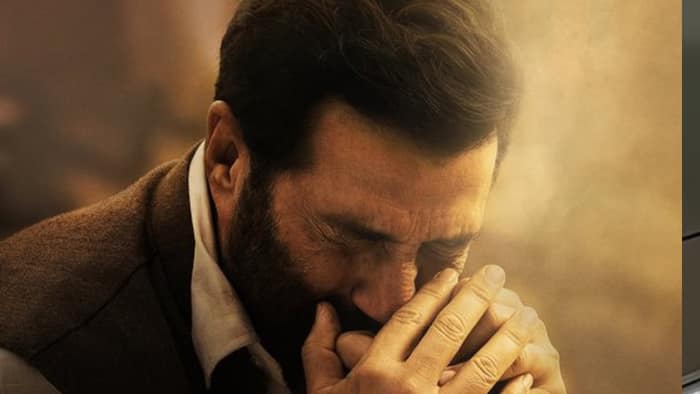
Batwara 1947 Review (PC – Instagram)
Rating: ★★★★½
When I decided to sit down for Batwara 1947, I had certain expectations about the film, Mainly taking into account that Sunny Deol and Rajkumar Santoshi had produced it. I came out reflecting on my grandparents. That is perhaps the highest praise I can give to the film.
Read more:
Batwara 1947 FIRST review: Sunny Deol-Preity Zinta period drama earns praise – ‘Deeply moving’
We’ve all heard about 1947We know the datesWe know we got our independenceWe know about PartitionWe have seen the map of how a country got split into two nations, right there in our school history books.
But there is no earthbound spectacle comparable to experiencing this awakening: a beautiful, sunny morning, you get up, and suddenly you are aware that the place which has been your home for the whole life is now an alien universe for you.
No map can ever illustrate anything about leaving behind a courtyard, a friend, a neighbor, a temple, a mosque, or anyone else.
Batwara 1947 tries to show us the human faces behind all those numbers and statistics. Rajkumar Santoshi has come up with an incredibly compassionate film that is set during one of the most brutal times in history.
In the lead are two characters – Sikandar Mirza played to the hilt by Sunny Deol and Mai, who delivers a stunning performance by Shabana AzmiThe pair belongs to different religions in that crucial moment in history where religion is a question of life and deathBut this movie builds an unusual relationship between them making all labels surrounding them gradually lose their meaning.
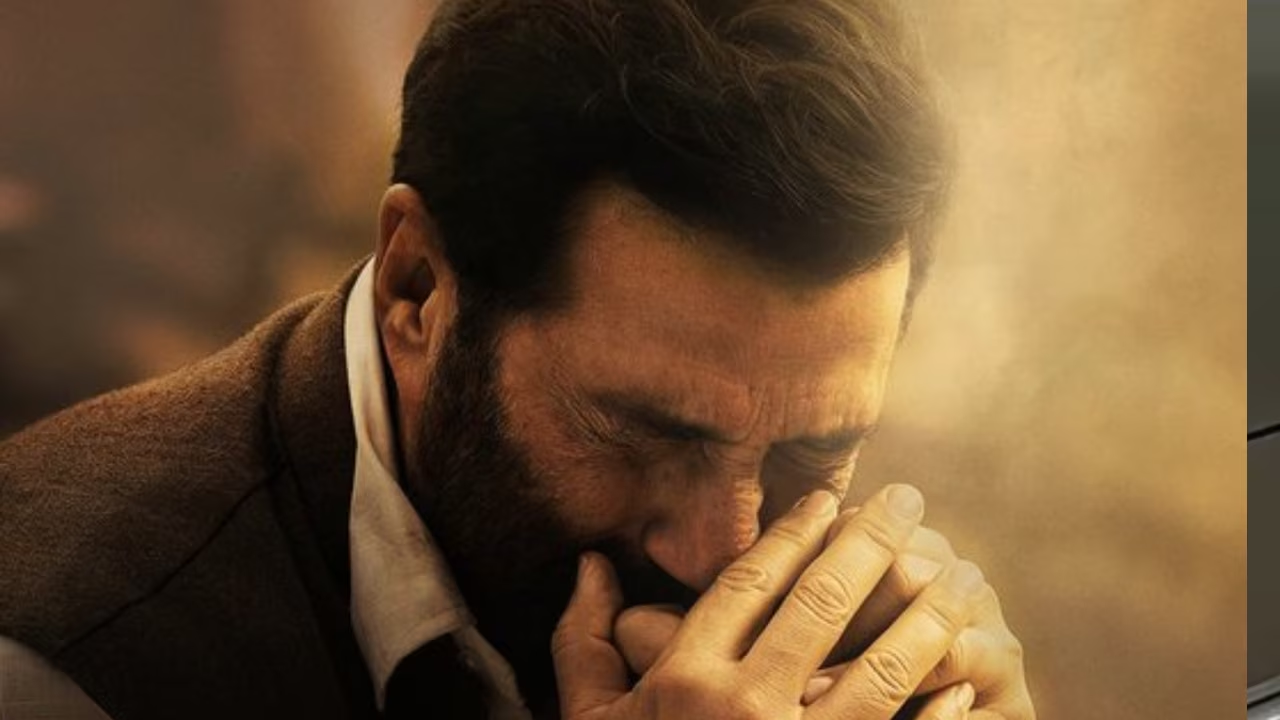
Sunny Deol is brilliant.
One might expect to see something that would make them wait for the dialogues, the anger, the voice and those scenes which trigger instant reaction of theater when he appears on the sceneIt is true.
But it is not what I remembered.
I remembered the way Sikandar looked at MaiI remembered his weaknessI remembered the weight of emotions from a man trying to stay decent while everyone around him went mad.
For many years we praise Sunny Deol for acting men who can fight twenty people.
Sikandar Mirza may become one of his most courageous heroes since his courage is of another sort. The distinction lies in the film itself.
And then, there’s Shabana Azmi. What an actress!
Mai expresses herself obstinately, comically yet frustratingly, lovingly as well as heartbreakingly all at the same time during the same sceneShe refuses to play a stereotype of a victim that has been made only to evoke our sympathy in usShe is aliveShe has opinions, quirks, past memories, and a place that she calls her own despite whatever politics and geographical borders have to say about the matter.
It is easy to see why Sikandar starts treating her as part of the family since at some point in the movie, so do we.
Karan Deol proved yet another pleasant surprise for me.
The problem of being able to compete with Sunny Deol in terms of emotional scenes and capturing the attention of the audience is a tough oneKaran, when it comes to defending his stance, demonstrates an excellent level of determination and confidenceIt is actually the very reason why I enjoyed the movieHe has never tried to imitate Sunny DeolHe reveals his own strengths and weaknessesAt times you really forget that the character is the movie’s protagonist because of the engaging performance and the depth of the character.
Preity Zinta’s return is a delight, but she isn’t just there to make us feel nostalgicShabana Azmi is what gives this film its soulful heartAli Fazal infuses his parts with grace and wisdom, while Abhimanyu Singh’s Yaqoob is the ugly conviction of a man who has let his hate answer every question for him.
It’s the characterizations that give the film more weight than the tale of a single star. It’s an ensemble film in the truest sense.
Even the technical elements of the film demand to be watched in a cinemaThe streets, houses, costumes, crowds, sound and production design do not treat the period of 1947 as some sort of beautiful wallpaperYou can almost sense society being torn apart at its seams.
But for me, the script remains the greatest asset.
Sunny and Santoshi have always known the impact of a dialogue, but these dialogues are not about vanquishing an enemyThese dialogues are about refusing to create one.
And that’s why Batwara 1947 is so relevant today.
We live in an era where outrage is cheap, labeling is even cheaper, and social media is enough to turn another person into “the other” within no timeHere comes a popular Hindi movie starring one of our biggest masculine icons, who tells us something else:
Real masculinity may also include protecting someone whose way of praying differs from yours.
Well, I cannot say anything about the climax since it is worth watching without any spoilersThe only thing I can mention is that the audience was unusually quiet after the climax which is quite rare to see in a theaterNot the kind of silence born out of boredom but the kind that was born out of some kind of processing by the audience.
There’s also something quite apt about this movie coming around the days of 14 and 15 August.
Every year we celebrate the Independence Day of India when we get reminded of the freedom our country gained.
Batwara 1947 helps us remember what celebration also means – the millions of people who were rendered homeless, orphaned, and even died in Partition.
Take your parentsTake your familyAnd if you can, ask them afterwards whether somebody in your family ever told them a story about 1947. You may discover that Batwara isn’t as distant from us as we think. This is not a film asking Hindus to hate Muslims or Muslims to hate Hindus. It is asking both to remember what hatred did to us once. That is why it stays with you.
Disclaimer: This article is from the Brand DeskUser discretion is advised.