


Law student and grassroots social worker Namaha, founder of NAMAHA, today set out his vision for citizen protection in BharatA single digital fraud, an unexpected legal crisis or a sudden loss of income can push an ordinary family into serious financial hardship, and most citizens face such moments without any structured support.
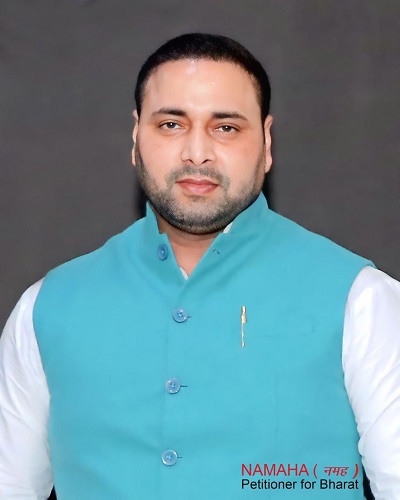 |
NAMAHA, Petitioner for Bharat
Drawing on the Ayushman Bharat model of financial protection for health, Namaha proposes examining a Bharat Citizen Protection Insurance framework built on five pillars: legal protection, cyber and identity protection, income protection, personal liability and financial continuitySupport would apply only to defined events, within set limits and eligibility rules.
Under the proposed framework, citizens facing UPI or digital fraud would have access to cyber and identity protection for defined fraud losses and identity misuseCurrently, citizens can report fraud immediately through helpline 1930 or at cybercrime.gov.in, although recovery is not guaranteedFor a legal crisis or arrest, the proposal envisages guidance, advocate coordination and assistance with defined legal expenses, in addition to statutory legal aid and not as a replacement for itCitizens already have a constitutional right to a lawyer of their choice, while eligible persons can access free legal aid through Legal Services Authorities via the NALSA helpline 15100.
The framework also proposes temporary income protection where income loss follows a defined insured eventAt present, support for loss of income depends largely on the employer or specific schemesFor loan EMIs during a crisis, where assistance currently depends on the lender and no general safety net exists, the proposed financial continuity component would help with eligible loan instalmentsPersonal liability cover within specified limits is also proposed to address accidental harm to others, for which protection largely depends on private insurance, where held.
Namaha proposes examining a Bharatiya Citizen Protection Act as a legal basis for accessible support during defined legal, cyber and financial crises, with clear eligibility criteria, limits and safeguardsHe also calls for a Bharatiya Police Act centred on citizen rights, transparent procedures, grievance redressal and accountability, and a Bharatiya Education Act establishing a coherent framework for equal opportunity, quality standards, skill development and institutional accountabilityA Bharatiya Petroleum Act is also proposed to modernise legal and regulatory oversight of the petroleum sector, alongside reforms in other essential sectors wherever warranted.
All Act names above are Namaha’s suggestions for public debateNone of them is an existing or enacted law.
The proposals draw on existing constitutional guaranteesArticle 14 provides for equality before the law and equal protection of the lawsArticle 21 protects life and personal libertyArticle 22(1) provides an arrested person the right to consult and be defended by a legal practitioner of their choiceArticle 39A directs the State to secure equal justice and free legal aidNamaha argues that these guarantees must be matched by practical, accessible supportRenaming laws alone is not reform; meaningful change requires clear responsibilities, transparent procedures and grievance systems that work.
“A citizen in crisis needs more than adviceWe need a system that provides meaningful support, protects people from defined legal and financial risks, and holds institutions accountableThe objective is to make citizen protection accessible, practical and grounded in the rule of law,” says Namaha, Founder of NAMAHA.
Namaha calls for a feasibility study and controlled pilot of the Bharat Citizen Protection Insurance framework, involving the Government, IRDAI, licensed insurers and banksHe also proposes public consultation and actuarial assessment to determine coverage, premiums, eligibility and benefits before any wider rolloutThe proposed framework would extend citizen protection beyond health and life insurance to defined legal and digital crisesIn parallel, he calls for reforms to police, education and other essential-sector laws so that rights translate into accessible procedures and measurable institutional responsibilities.