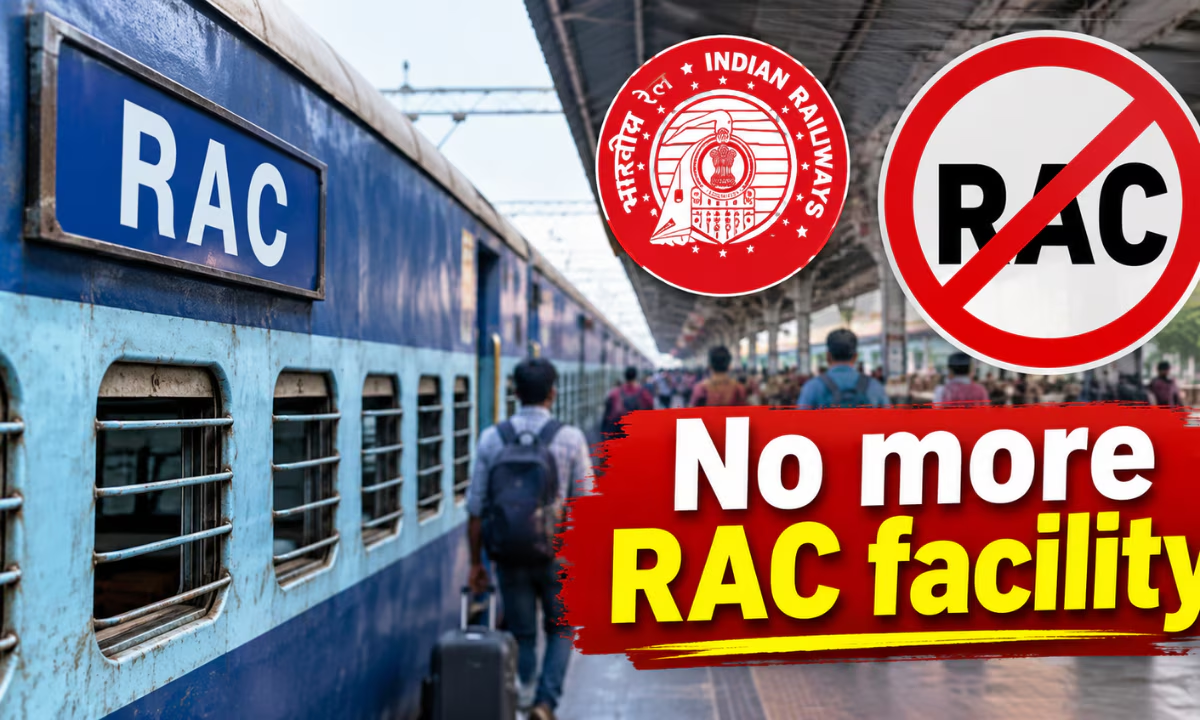
Indian Railways may scrap the RAC facility as senior officials argue the berth-sharing system has outlived its utility amid digital ticket-checking upgrades and passenger complaints.
Published: November 18, 2026, 6:16 PM IST
Share Article
https://www.india.com/news/india/attention-railway-passengers-no-more-rac-facility-may-soon-be-available-as-officials-argue-against-its-utility-8546003/
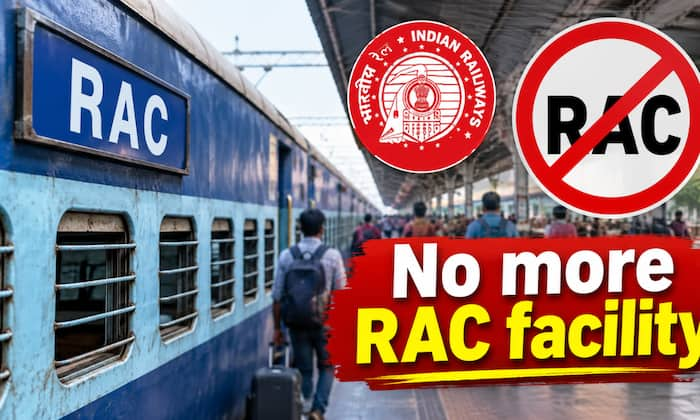
RAC facility (Representational AI image)
Indian Railways RAC facility: Amid reports that the Railway Ministry is planning to scrap the ‘Reservation Against Cancellation’ (RAC) facility, a section of senior railway officials has argued that the system has outlived its utility following digital innovations in Indian Railways’ ticket-checking processUnder the RAC system, two passengers share a single berth while each pays the full ticket fare—a practice that has drawn criticism over unfair fare collection and passenger inconvenienceThe RAC provision was originally introduced during the 1983-84 Railway Budget.
History of RAC facility in Indian Railways
The RAC facility was introduced in 1983-84 when the then Railway Minister, ABA Ghani Khan Choudhury, announced its introduction while presenting the Railway Budget in Parliament.
Choudhury, arguing in favour of introducing RAC, said that a specific number of berths would be earmarked for the seniormost wait-listed passengers so that they could be allotted sleeper berths en route against vacancies arising when passengers with confirmed reservations failed to turn up for their journeys.
Revision made in RAC facility
The Railway Ministry revised the facility in 2016, earmarking more berths for RAC passengersEarlier, five side-lower berths in each sleeper coach were reserved to accommodate 10 passengersThis was increased to seven berths, allowing a total of 14 passengers to be accommodated.
In 3AC coaches, the number of side-lower berths earmarked for RAC passengers was increased from two to four in each coach, raising the number of passengers accommodated from four to eightSimilarly, in 2AC coaches, the number of berths reserved for RAC passengers was increased from two to three, raising the passenger capacity from four to six, a report by PTI news agency said.
“Officials said that when the reservation and ticketing systems were not digitally linked, RAC was a passenger-friendly initiativeHowever, digital innovations have changed the scenario.
“If a passenger doesn’t turn up, the train ticket examiner (TTE), who carries a Hand Held Terminal (HHT) that is digitally connected to the entire ticketing system, enters the no-show status against that particular berth, and the same berth becomes available for prospective passengers from the next station,” a senior railway official said.
How officials are arguing against RAC facility?
He argued that scrapping the RAC facility would also reduce the scope for unfair practices by TTEs by curtailing their discretionary powersIt would also compel them to complete ticket checking promptly and enter the “No Turn-Up” status in the system, making those berths available for current booking from the next station.
Today, due to the change in ticket cancellation norms in 2015, the Railways does not suffer any financial loss when passengers fail to turn up for their journeys, as it forfeits 100 per cent of the fare paid by a passenger who does not show up, with no refund.
(With inputs from agencies)