

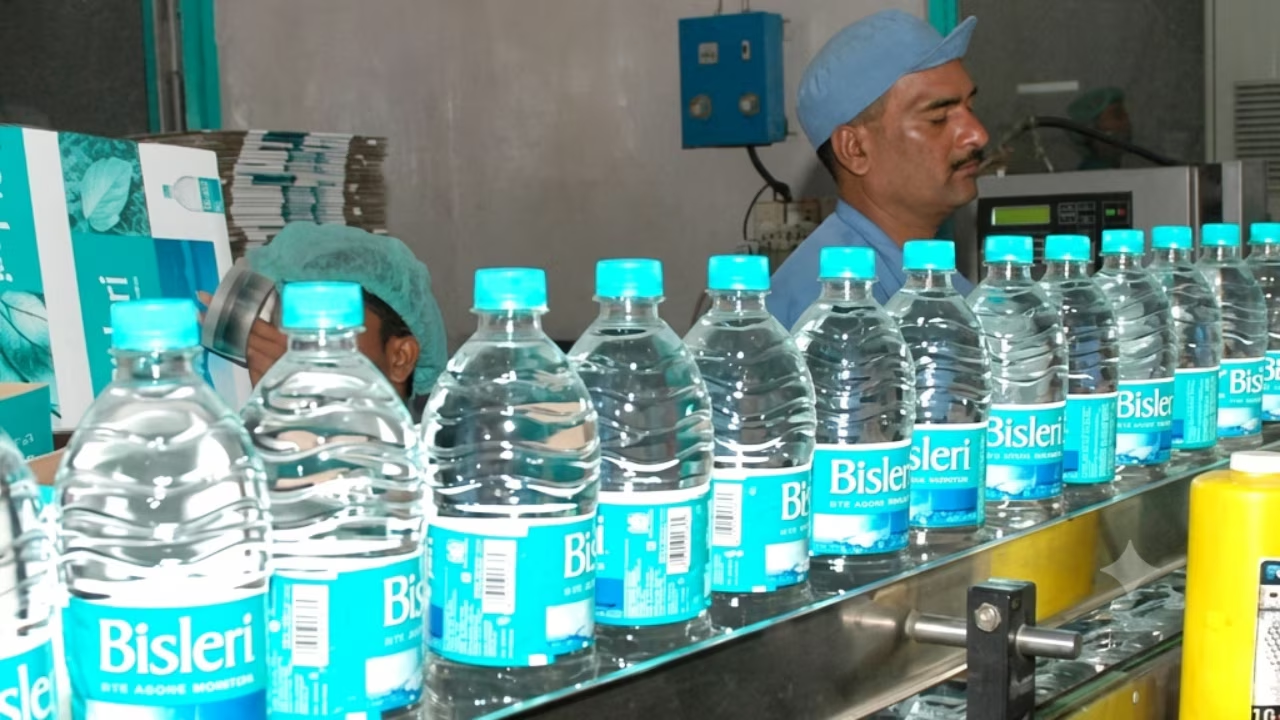
The FSSAI has sanctioned prosecution against Bisleri International after a packaged drinking water sample collected from its West Bengal plant tested positive for coliform bacteria
Share Article
https://www.india.com/news/india/bisleri-in-trouble-again-fssai-sanctions-prosecution-against-bisleri-international-after-coliform-bacteria-found-in-west-bengal-plant-sample-8548647/
Bisleri in trouble again? FSSAI prosecution as West Bengal water sample tests positive for bacteria
(Image: File)
The Food Safety and Standards Authority of India (FSSAI) has approved legal action against packaged drinking water company Bisleri International after a water sample collected from its West Bengal plant failed laboratory tests, sources said on SaturdayThe sample was found to contain coliform bacteria, which can indicate possible contamination of waterSuch bacteria can enter water supplies through sewage leaks, damaged pipes and other sources.
The latest action is the second time this week that the food safety regulator has sanctioned prosecution against Bisleri International over the quality of its packaged drinking water.
The sample was collected from the company’s manufacturing plant in Telipara village in Jalpaiguri district of West BengalBoth the primary laboratory and the referral laboratory confirmed the presence of coliform bacteria, according to a PTI report.
Following the test results, the FSSAI had prohibited the sale of a particular batch of the product, identified as batch number PB 201, on August 12, 2026The regulator has now approved prosecution proceedings against the company for violating food safety rules under the Food Safety and Standards Act, 2006.
It is important to note that the action in the West Bengal case concerns the identified batch and does not mean that all Bisleri products have been declared unsafe.
Second FSSAI action against Bisleri after Goa plant sample fails
The latest development comes days after the FSSAI approved similar legal proceedings against Bisleri following a failed water sample test at its Goa manufacturing unit.
In the Goa case, the regulator found that the packaged drinking water sample did not meet the prescribed limits for bromateIt was declared unsafe under the Food Safety and Standards Act, 2006.
Bisleri challenged the initial findings and requested further testingThe sample was then sent to a referral laboratory, which also declared it unsafe after detecting polynuclear aromatic hydrocarbons (PAHs)These findings led the regulator to initiate prosecution against the company over violations of food safety standards.
Bisleri has maintained that its products are safe for consumption and said it would cooperate with the FSSAI to address the concerns.
The company has also disputed some of the findings in the Goa case, saying the regulatory action relates to a specific batch and that it has submitted additional laboratory reports to support its position.
FSSAI begins nationwide packaged water quality checks
Meanwhile, the FSSAI has stepped up its monitoring of packaged drinking water across the countryFSSAI CEO Rajit Punhani recently said the regulator had started collecting water samples from different parts of India to check whether manufacturers were following the required quality and safety standardsThe laboratory testing exercise is expected to take around one to two months, he said.
Punhani clarified that the nationwide exercise was part of the regulator’s regular food safety monitoring programme and was not launched because of any one company or incident.
He also said the FSSAI’s enforcement measures were aimed at ensuring that companies followed food safety rules and were not intended to create panic among consumers.
Over the past year, the regulator has carried out checks on several food and beverage categories, including dairy products, meat, eggs, cereals, energy drinks and sugary drinksThe FSSAI is also planning to inspect packaging materials used for food products to ensure that they meet the required food-grade standards.