

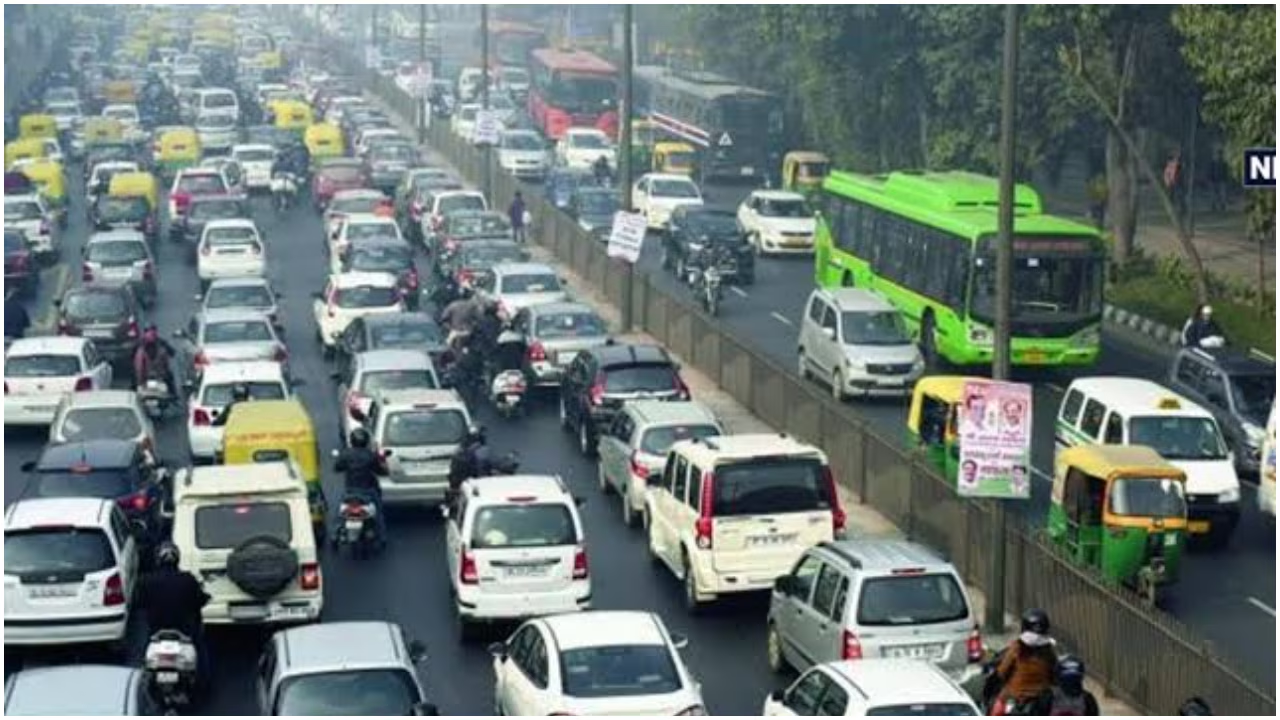
India is preparing to introduce BS-VII emission norms from April 2029, with new cars and SUVs expected to be covered firstThe proposed rules aim to reduce vehicle pollution through stricter emission limits, real-world testing and new checks on pollution caused by tyre and brake wear.
Share Article
https://www.india.com/news/india/bs-vii-emission-norms-3-phase-cars-and-suvs-to-face-stricter-pollution-rules-first-2029-buses-and-heavy-commercial-vehicles-to-follow-2031-details-8535934/
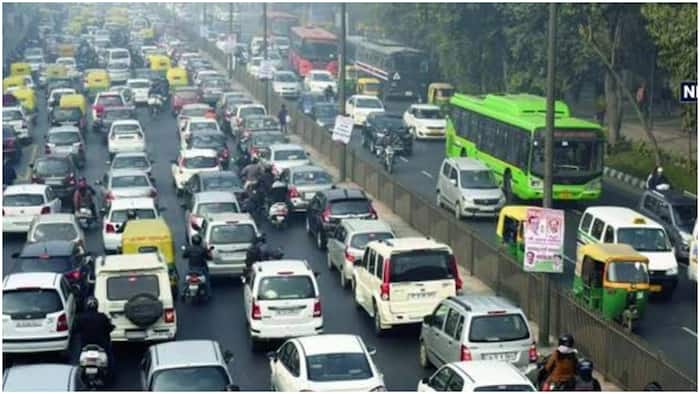
BS-VII emission norms: Cars and SUVs to face stricter pollution rules first, buses and heavy commercial vehicles to follow; Details (Image: PTI/File)
India is planning to introduce its next set of vehicle pollution rules, Bharat Stage 7 (BS-VII), from April 2029The new standards are expected to place stricter limits on harmful emissions and require carmakers to improve the technology used to control pollutionAccording to reports, the government has approved the proposed rollout schedule, with draft notifications for different vehicle categories expected soonThe rules are planned to be introduced in stages until April 2035, giving automakers and testing agencies time to prepare.
When will BS-VII norms come into effect?
Under the proposed schedule, new cars and SUVs will be the first vehicles to come under BS-VII rules from April 2029Small commercial vehicles, including goods delivery vehicles and pick-up vans, are expected to follow in 2030Buses and heavy commercial vehicles will come under the new standards from April 2031The timeline for two-wheelers, including motorcycles and scooters, is expected to be announced separately.
The phased rollout will help manufacturers prepare for the new requirements instead of having to make changes across all vehicle categories at once.
What will change under BS-VII?
The new rules are expected to tighten limits on pollutants such as nitrogen oxides (NOx), hydrocarbons and particulate matterThese pollutants contribute to poor air quality and can harm human health.
BS-VII is expected to follow several principles used in Europe’s Euro 7 emission standardsThe European rules cover exhaust pollution and introduce requirements for particles released through brake wear and tyre wearIndia’s proposed framework is also expected to address these non-exhaust sources of pollution.
This means vehicle pollution checks may look beyond emissions coming directly from an exhaust pipe.
Real-world emissions to face closer checks
Under the proposed framework, vehicles could be checked under real-world driving conditions, with independent agencies carrying out random on-road inspectionsEmissions may also be monitored over a vehicle’s working life to check whether pollution-control systems continue to work properly.
Heavy trucks and other commercial vehicles are expected to face some of the biggest changesReports suggest the proposed rules aim to reduce emissions of certain pollutants from these vehicles by around 20 per cent to 50 per cent, with compliance verified through on-road testing.
Will BS-VII make cars more expensive?
Unlike the move to BS-VI in 2020, the planned BS-VII transition is not expected to require major changes to fuel production or refinery infrastructure.
Instead, vehicle manufacturers are likely to bear much of the cost of meeting the stricter standardsThey may need to upgrade engines, exhaust-treatment systems, sensors and other pollution-control equipment.
The impact on vehicle prices will depend on the final rules, the technology required and how much it costs manufacturers to meet the new limitsIt is too early to say how much prices could increase.
Why is India introducing BS-VII?
India has introduced progressively stricter Bharat Stage emission standards to reduce pollution from motor vehiclesBS-VI, which came into force in April 2020, marked a major step in this process by setting tighter limits on vehicle emissions and requiring cleaner fuels.
The proposed BS-VII rules would take the next step by tightening pollution limits and expanding the focus to emissions under actual driving conditions and particles produced by brakes and tyres.