

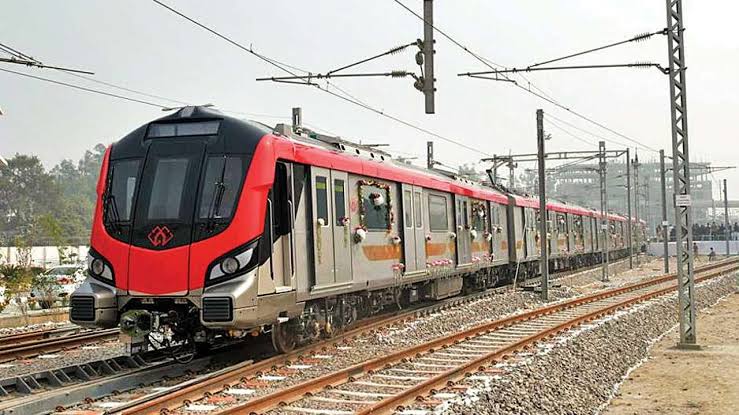
Businesses just got some relief from GSTN, which has made metro rail the fifth transport mode in the e-way bill systemFor goods worth over Rs 50,000 sent by metro, traders can now generate an e-way bill and claim input tax credit.
Published: November 24, 2026, 6:49 PM IST
Share Article
https://www.india.com/news/india/businesses-in-uttar-pradesh-to-send-goods-and-parcels-by-metro-what-we-know-8547680/
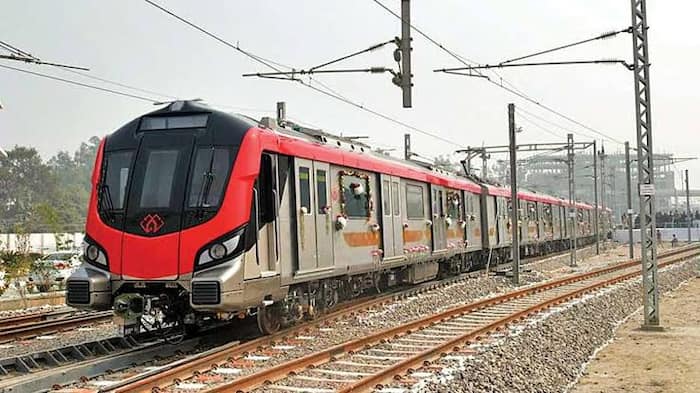
Businesses will also be able to claim input tax credit (ITC) on this movementImage Credit: PTI
Traders in metro cities such as Kanpur have a new option as the GST network has changed its rules so businesses can now generate e-way bills for sending valuable goods by metro rail, whether between markets or straight to customers.
They will also be able to claim input tax credit (ITC) on this movementGSTN has amended CGST Rule 138(2A) to include metro rail as the fifth mode of transport in Part B of the e-way bill.
Read more:
UP Assembly polls 2027: Samajwadi Party and Congress leaders to meet in Delhi over seat-sharing
Till now, businesses could generate e-way bills for goods worth Rs 50,000 or more only for road, rail, air or water transportMany systems ask for a vehicle number, and the metro has no separately registered oneWith no metro option on the portal, businesses struggled to show valid records.
Facility launched on web portal
The GSTN says in its advisory that businesses can now create e-way bills straight from the web portal and update transport details on bills they have already generated, as the feature has gone live.
Also Read | Chhath puja 2026: Delhi Metro services to start early at 4:30 AM tomorrow; check timings and frequency
If you move goods by metro rail, you now have to enter the relevant transport document numberLarge businesses and transporters whose billing or ERP software connects straight to the GST portal via API can try the feature in a sandbox environment for now, and the live API launch date will be announced later.
Freedom from fear of investigation
Tax experts say that traders, or people acting for them, tend to take lighter, high-value goods on the metro in bags or parcels, not heavy loadsWithout a clear e-way bill option, goods could previously be stopped by mobile squads outside the station, or the mode of transport could be questioned when the goods were sold.
Therefore, with the new provision, traders will have solid and valid documents for the movement of goodsThis will benefit jewelers, mobile and electronics sellers, small and large traders, and courier agents who transport goods worth Rs 50,000 or more by metro.
Think of an e-way bill as the digital paperwork that travels with goodsIt is generally needed when goods worth more than Rs 50,000 are moved from one place to another or between statesIt shows the movement is legitimate, discourages tax evasion and safeguards a business’s ITC claims.