
Delhi CM Rekha Gupta calls an emergency meeting amid reports of 3,000 H1N1 infection cases in the capitalCheck key details and latest updates.
Published: August 25, 2026, 5:24 PM IST
Share Article
https://www.india.com/news/india/delhi-h1n1-infection-cm-rekha-gupta-calls-emergency-meeting-3000-infection-cases-reported-check-key-details-health-department-mcd-8509779/
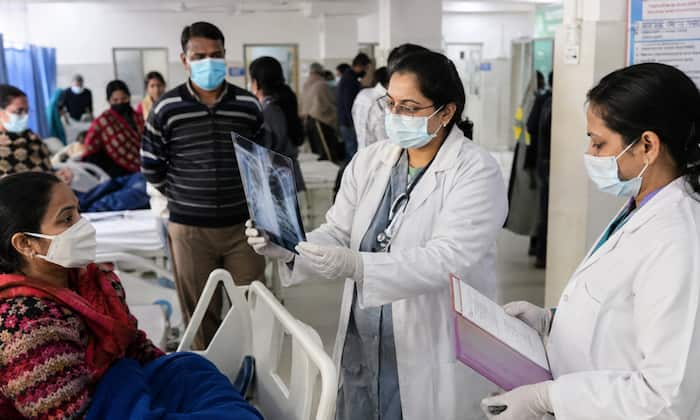
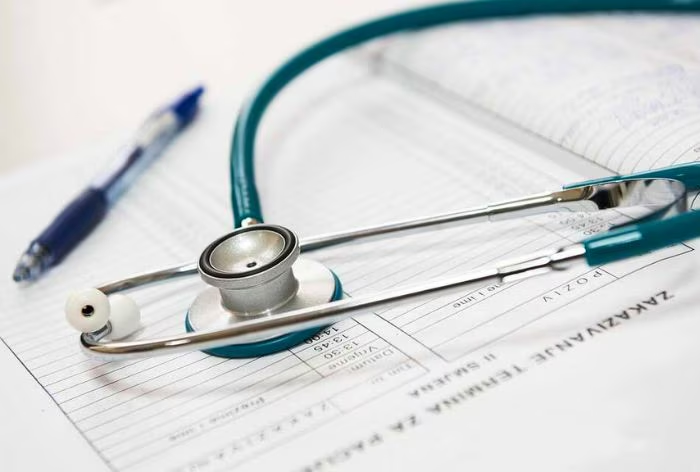
H1N1 Cases- Representational AI image
Delhi H1N1 infection: In a significant development amid the rise of H1N1 infections, Delhi Health Minister Pankaj Kumar Singh on Tuesday said that Chief Minister Rekha Gupta has called for an emergency review meeting amid a rise in influenza cases in the national capitalAsserting that the situation was under control with adequate doctors and medicines, Singh said during the press conference that followed a review meeting with senior officials of the Health Department, MCD, NDMC and Delhi Cantonment Board.
What Delhi government said on rise in Delhi H1N1 infection?
“There is no problem of doctors, staff or medicinesThe chief minister has called an emergency review meetingI assure you there is no problem, everything is under control,” Singh said.
He said the meeting was held to review the arrangements and preparedness for H1N1, or seasonal influenza, as well as vector-borne diseases in Delhi.
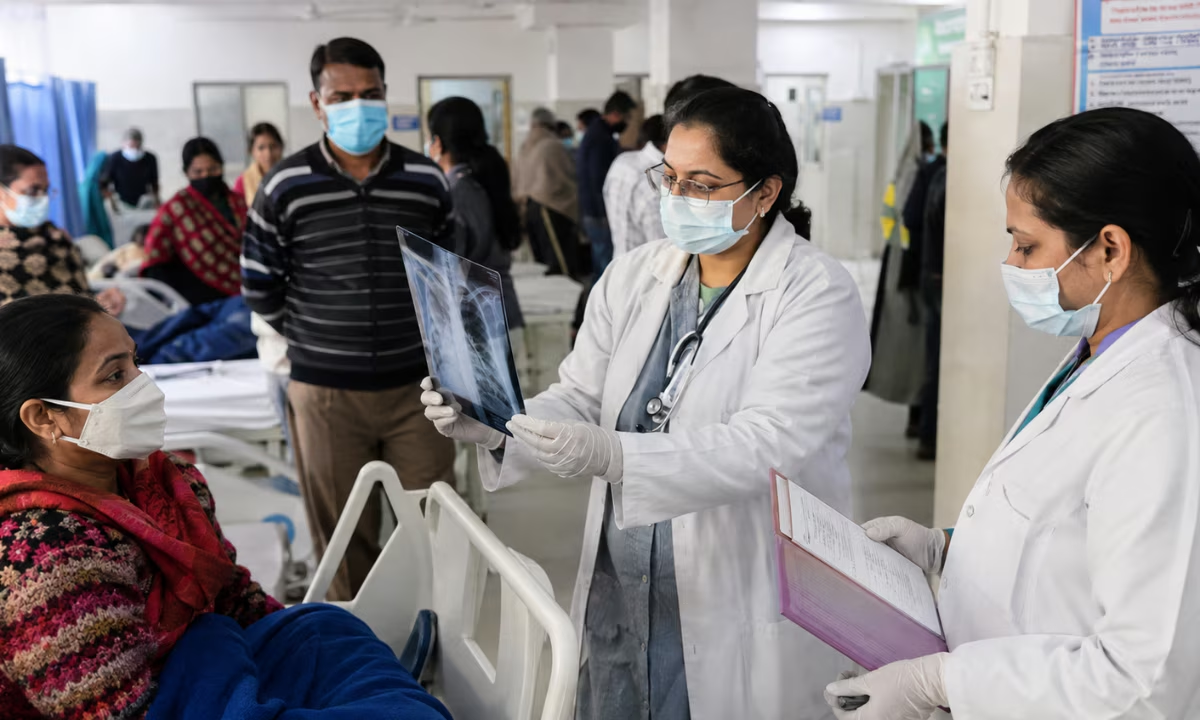
“There is no need for panicPatients are coming, but they are getting treated and then going backIsolation wards have been created in every hospitalIf any patient complains of not being provided a bed, action will be taken against the hospital,” the minister said.
Rise of H1N1 infections in Delhi
At 2,308 cases, H1N1 infections account for the vast majority of influenza cases reported in Delhi this year, while the remaining are of other strains of influenza.
H1N1 infection, commonly known as swine flu, usually presents with fever, cough, sore throat, headache, body aches and fatigueThose with persistent high fever, breathing difficulty, chest pain, confusion or worsening symptoms are advised to seek medical attention promptly.
What are health experts saying on H1N1 cases in Delhi?
During a press conference on H1N1 cases, DrRajiv Bahl, Director General, Indian Council of Medical Research (ICMR), says, “If you want to protect yourself, maintain some distance from others, wash your hands, and clean commonly touched surfacesIn general, staying healthy by following a good diet, drinking adequate fluids, and getting enough rest can reduce your chances of becoming seriously ill from a viral infectionThese are the usual precautionsThere is nothing more that needs to be done beyond thatHowever, if you develop symptoms such as respiratory distress, difficulty breathing, rapid breathing, chest pain, or any other severe respiratory problem, it is important to go to a hospital.”
(With inputs from agencies)