
The CAQM has banned dust-producing construction and demolition work across Delhi-NCR from November 5 to 20 to prevent a rise in winter pollutionThe order also limits office attendance to 50% in Delhi and five NCR districts, asking the remaining employees to work from home.
Share Article
https://www.india.com/news/india/delhi-ncr-announces-15-day-construction-ban-from-november-5-orders-50-work-from-home-for-offices-attendance-check-whats-allowed-caqm-pollution-rule-8540952/
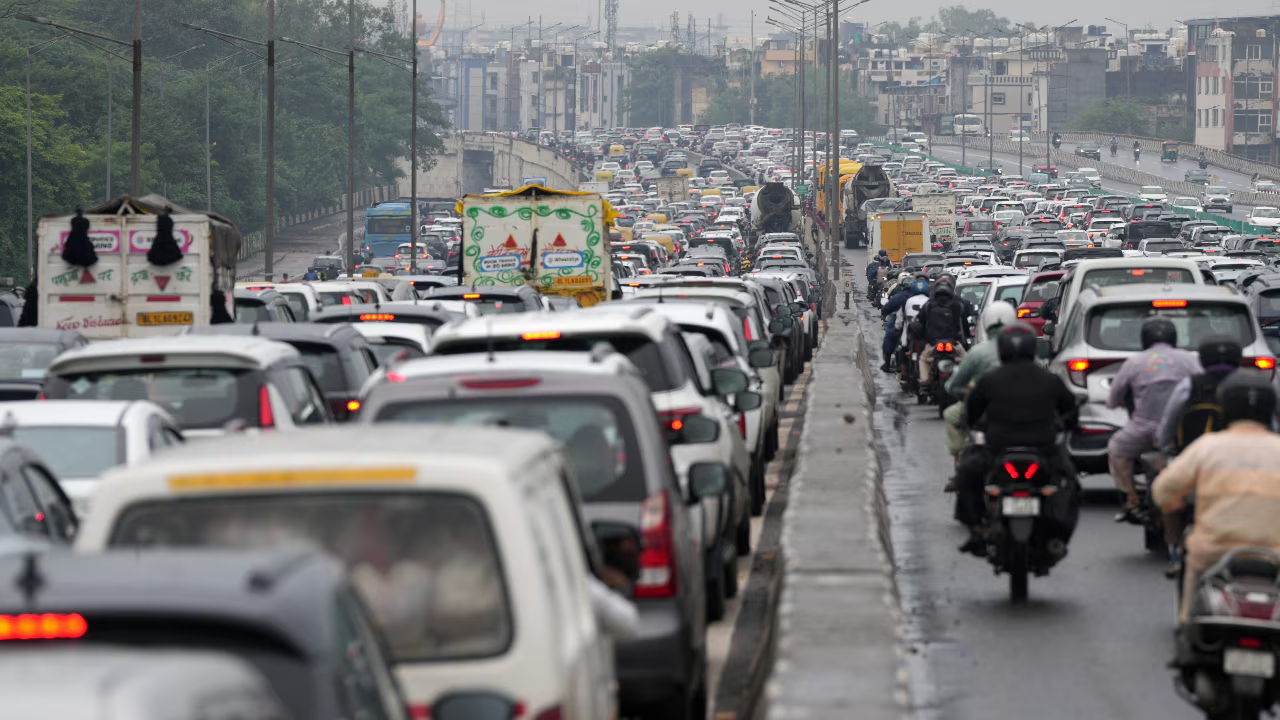
Delhi-NCR announces 15-day construction ban from November 5, orders 50% work from home for offices (PTI image)
The Commission for Air Quality Management (CAQM) has ordered a temporary ban on dust-producing construction and demolition activities across Delhi-NCR from November 5 to November 20The move is aimed at controlling air pollution during a period when the national capital usually sees a sharp rise in pollution levels.
The restrictions will cover outdoor construction and demolition work, including projects involving highways, roads, flyovers, bridges, power transmission lines, pipelines and telephone networksThe order will apply across Delhi and other parts of the National Capital Region (NCR).
However, some important projects have been kept outside the banConstruction work related to railways, Metro services, airports, hospitals, water supply, sanitation and inter-state bus terminals will be allowed to continueProjects linked to national security, defence and other works of national importance are also exempt.
Union Environment Minister Bhupender Yadav announced the decision on Friday as part of the Centre’s efforts to prevent a rise in winter pollutionThe CAQM later issued an order directing the Delhi government and other NCR state governments to ensure that the restrictions are followed.
50% office attendance allowed in Delhi-NCR
Along with the construction ban, CAQM has directed government and private offices in Delhi and five NCR districts to limit physical attendance to 50 per cent between November 5 and November 20The remaining employees will have to work from home.
The rule will apply to offices in Delhi, Ghaziabad, Gurugram, Faridabad, Sonipat and Gautam Buddha NagarIndustrial units and essential services where work-from-home arrangements are not possible have been exempted.
Delhi already has a separate winter pollution plan under which government and private offices are required to follow a 50% work-from-home arrangement from November 1The city’s winter plan also includes restrictions on construction activities, older vehicles and other pollution sources.
Why has CAQM announced the restrictions?
The November 5-20 period is considered particularly sensitive because several factors can lead to a rise in pollution during these weeks.
Diwali, which falls on November 8 this year, is also within this periodIn addition, crop residue burning in neighbouring states usually increases during the first half of November, adding to the pollution in Delhi-NCR.
Weather conditions also make the situation worseLow wind speeds and limited movement of air can trap pollutants close to the ground, making it harder for them to disperse.
CAQM said the restrictions were introduced as a preventive measure after studying past pollution trendsThe aim is to control dust and other emissions before air quality reaches dangerous levels.
Bhupender Yadav said the decision was based on previous data showing that pollution levels usually worsen during this period.
Delhi already has a separate construction ban
The new CAQM order comes just days after the Delhi government announced its own restrictions on construction and demolition work.
Under Delhi’s winter action plan, dust-generating demolition and outdoor construction activities will remain prohibited from November 1 to January 31, except for certain essential infrastructure projects.
The restrictions will become stricter from December 10, 2026, to January 20, 2027, when a wider ban on construction and demolition activities will be enforced, with limited exceptions for urgent government and emergency work.
Several major projects may continue
Despite the restrictions, some major infrastructure projects in Delhi are expected to continue because they fall under the exempt categories.
These include Metro expansion work under the Delhi Metro Rail Corporation’s Phase IV and Phase V-A plans, including the Tughlakabad-Aerocity Golden LineWork on other important public infrastructure projects may also continue if they meet the exemption conditions.
Several road, flyover and drainage projects are also under way in different parts of the cityThese include construction near Modi Mill and Kalkaji Temple, the Yamuna Vihar-Bhajanpura flyover in east Delhi and drainage work between Karkari Mor and Shahdara.
The exemptions mean that not every construction site will be shut during the 15-day periodAuthorities will have to ensure that projects allowed to continue follow the required dust-control rules.
Delhi air quality may worsen in November
Delhi has already started experiencing changes in air quality as winter approachesRecent rainfall brought temporary relief, but forecasts indicate that pollution levels could rise again.
According to the Air Quality Early Warning System cited by Hindustan Times, Delhi’s AQI was expected to remain in the moderate category until October 31 before moving into the poor category from November 1.
The CAQM has also been strengthening dust-control measures across the regionIn February 2026, it issued directions to improve dust management at construction and demolition sites, including better handling and transportation of construction material and waste.
The key challenge now will be enforcementThe impact of the restrictions will depend on how effectively authorities monitor construction sites, control road dust and ensure that exempt projects follow pollution-control rules.