


Schools have been instructed to inform students that bursting fireworks is prohibited within a 300-metre radius of hospitals, nursing homes, primary and district health centres, old-age homes and designated silence zones.
Share Article
https://www.india.com/news/india/delhi-pollution-schools-likely-to-defer-outdoor-activities-after-diwali-step-up-measures-to-tackle-pollution-8542368/
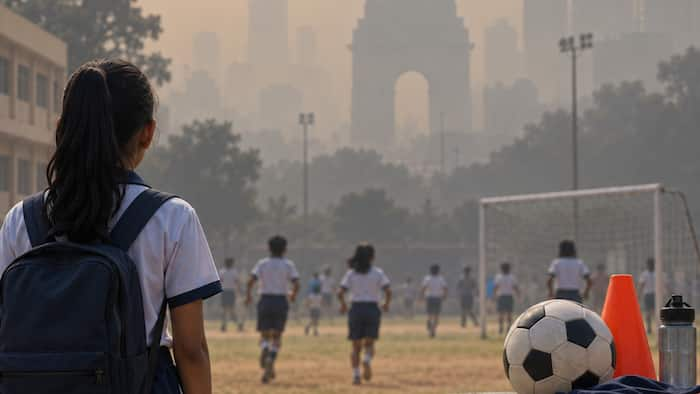
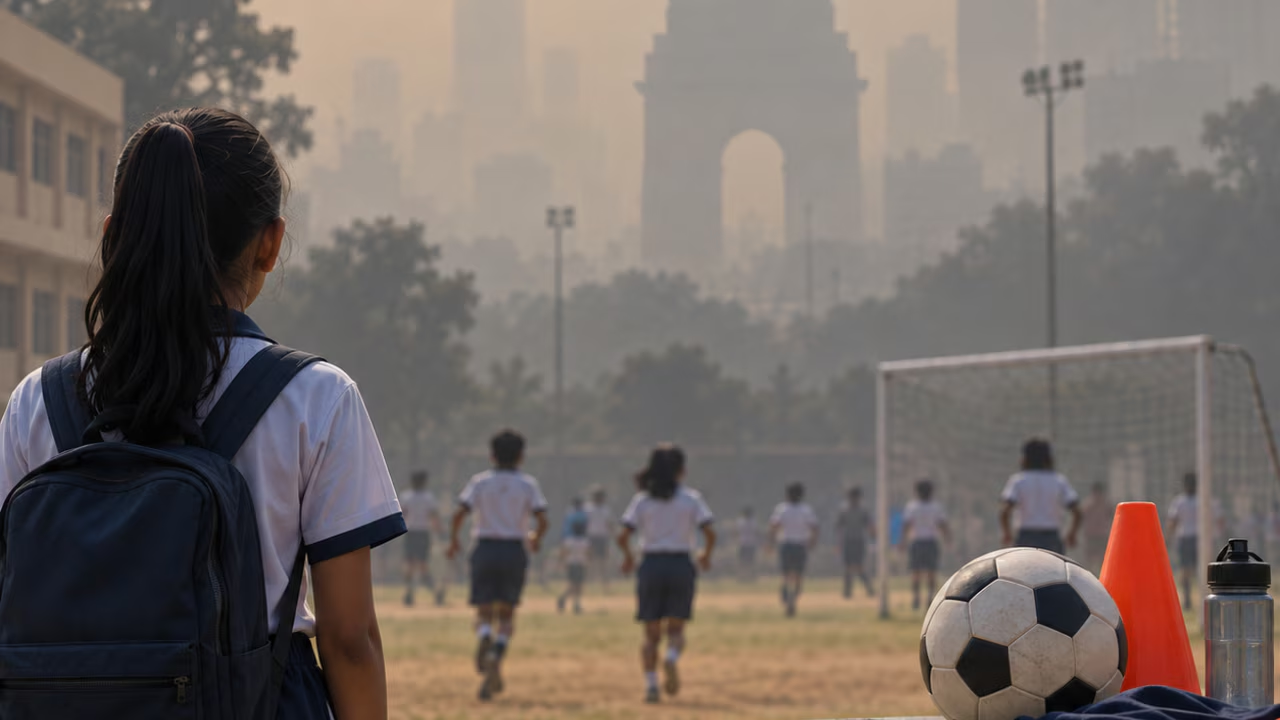
Image for representational purposes
New Delhi: As pollution levels in the national capital continue to rise, private schools in Delhi are planning to postpone outdoor activities after Diwali, install air purifiers and place snake plants in classrooms, besides advising students to wear masksAccording to the reports, the schools are also stepping up awareness initiatives to educate students about the harmful effects of air pollution, with the Directorate of Education directing all government and private schools to organise special assemblies on November 5 and 6 to sensitise children against bursting firecrackers.
Sudha Acharya, principal of ITL International School in Dwarka, said the school was taking precautionary measures to minimise students’ exposure to polluted air.
“We are planning to postpone outdoor activities after Diwali until the air quality improvesWe have also installed air purifiers in classrooms, placed snake plants and advised students to wear masks while stepping outThe safety and health of children remain our priority,” she said.
Mallika Preman, principal of Tagore International School, said schools need to take preventive measures while ensuring that students remain aware of their responsibility towards the environment.
“Along with taking precautions within the school premises, we are focusing on educating students about the impact of air pollutionWe plan to restrict outdoor activities during periods of poor air quality and encourage children to adopt environment-friendly practices, including avoiding firecrackers,” she said.
The principal of Global School in Rohini said the school was also reviewing its outdoor activity schedule in view of the deteriorating air quality.
“We are keeping a close watch on pollution levels and will avoid exposing children to outdoor activities when the air quality is poorWe are also encouraging students to wear masks, maintain hygiene and understand how individual choices, including bursting firecrackers, contribute to pollution,” the principal said.
Here are some of the key details:
- The directive by the Directorate of Education on conducting special assemblies follows a Supreme Court judgement dated October 29 in a case concerning the burning of firecrackers and air quality management during the festive season.
- Schools have been asked to educate students about the harmful effects of firecrackers on the environment and the health of living beings
- Schools have been asked to encourage students to opt for safer alternatives such as earthen lamps, candles and electric decorative lights.
- Schools have been directed to inform students that bursting fireworks is prohibited within a 300-metre radius of hospitals, nursing homes, primary and district health centres, old-age homes and notified silence zones.
- Schools have been asked to organise poster-making, slogan-writing, essay-writing, debates and drawing competitions to encourage students to spread awareness about environmental protection among their families and communities.
The Directorate has directed all district deputy directors of education to submit action-taken reports by November 9, along with 10 time-stamped photographs and five videos documenting the implementation of the guidelines.