A low-pressure system is likely to form over the Bay of Bengal around November 13, potentially bringing rainfall to parts of eastern and south-eastern India.
Share Article
https://www.india.com/news/india/delhi-pollution-noida-ghaziabad-faridabad-gurugram-aqi-imd-weather-update-kashmir-valley-rains-thunderstorm-bay-of-bengal-8543744/
Delhi Air Pollution
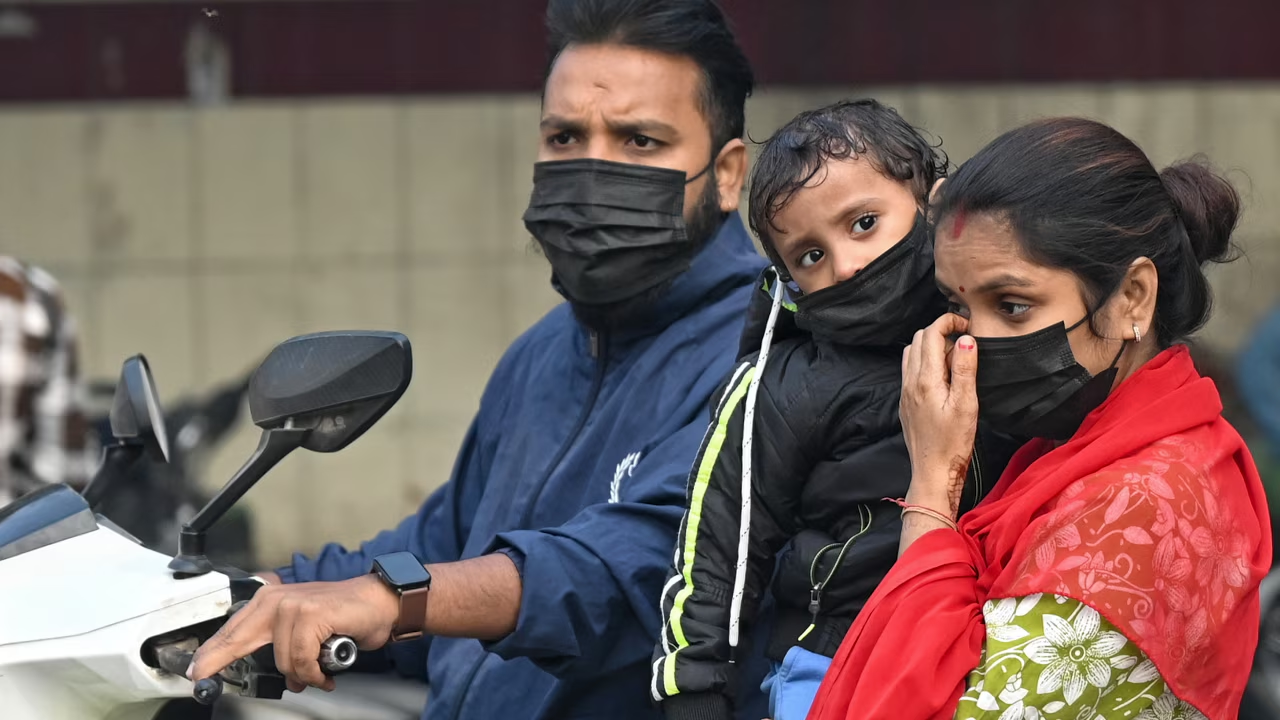
New Delhi: In a concerning development, the prospects of effective relief from toxic air reportedly remain bleak for the NCR and adjoining areasHowever, it is important to note that although pollution levels have declined slightly since Diwali, air quality continues to remain poorFavourable weather conditions required to disperse pollutants are still awaited.
Two consecutive western disturbances are expected to bring rain and snowfall to the hillsHowever, these weather systems are unlikely to provide any immediate significant relief from pollution in the NCRExperts are of the opinion that Delhi’s air quality could remain in the ‘very poor’ category for the next three to four days.
During this period, wind speeds are expected to remain between 10 and 15 kmphStronger winds are needed to disperse pollutants more effectivelyWith wind speeds remaining relatively low and pollutants continuing to linger in the atmosphere, no major improvement in air quality is expected.
Here are some of the key details:
- According to the IMD, the western disturbances could bring rain and snowfall to several parts of the western Himalayan region until November 13.
- Some areas of the Kashmir Valley may experience heavy rain and snowfall.
- This will lead to a further drop in temperatures across the hills.
- This weather system is not expected to bring rainfall to Delhi and the adjoining plains.
- The IMD has ruled out the possibility of rain in Delhi until November 15.
- Scientists say that snowfall in the hills could lead to a drop in temperatures across the plains under the influence of north-westerly winds.
- Minimum temperatures in Delhi, Haryana and western Uttar Pradesh are expected to fall by 2-3 degrees Celsius over the next two to three days.
However, it is important to note that the drop in temperature alone will not be enough to reduce pollution levelsAdequate wind speeds and atmospheric conditions that allow pollutants to rise and disperse are essential for a significant improvement in air quality.
According to the IMD forecast, wind direction may change around November 12-13However, wind speeds are likely to remain sluggish, reducing the chances of any immediate major relief from pollutionAny improvement in air quality will, therefore, depend on how weather conditions evolve.
A low-pressure area may develop over the Bay of Bengal around November 13Its influence could trigger rainfall in eastern and south-eastern parts of the countryMeanwhile, most parts of Bihar, Jharkhand, Chhattisgarh and central India are likely to experience dry weather.