

Delhi’s air quality remained in the very poor category with an overall AQI of 365 on Saturday morning, ahead of DiwaliWith 22 monitoring stations recording severe pollution levels, authorities have enforced GRAP Stage III restrictions across Delhi-NCR.
Share Article
https://www.india.com/news/india/delhi-wakes-up-to-toxic-air-aqi-crosses-400-in-22-monitoring-stations-as-grap-3-restrictions-take-effect-check-worst-hit-locations-8542846/
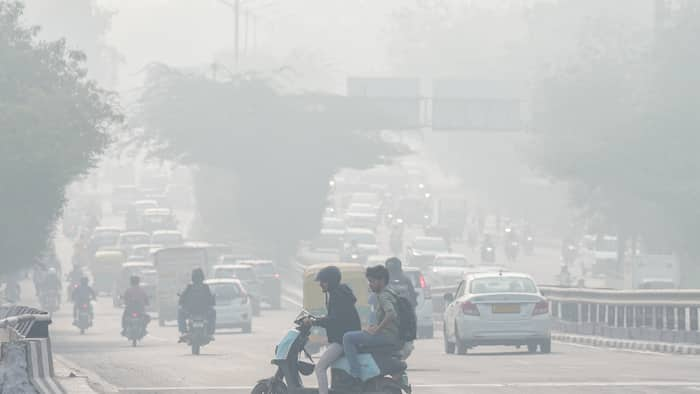
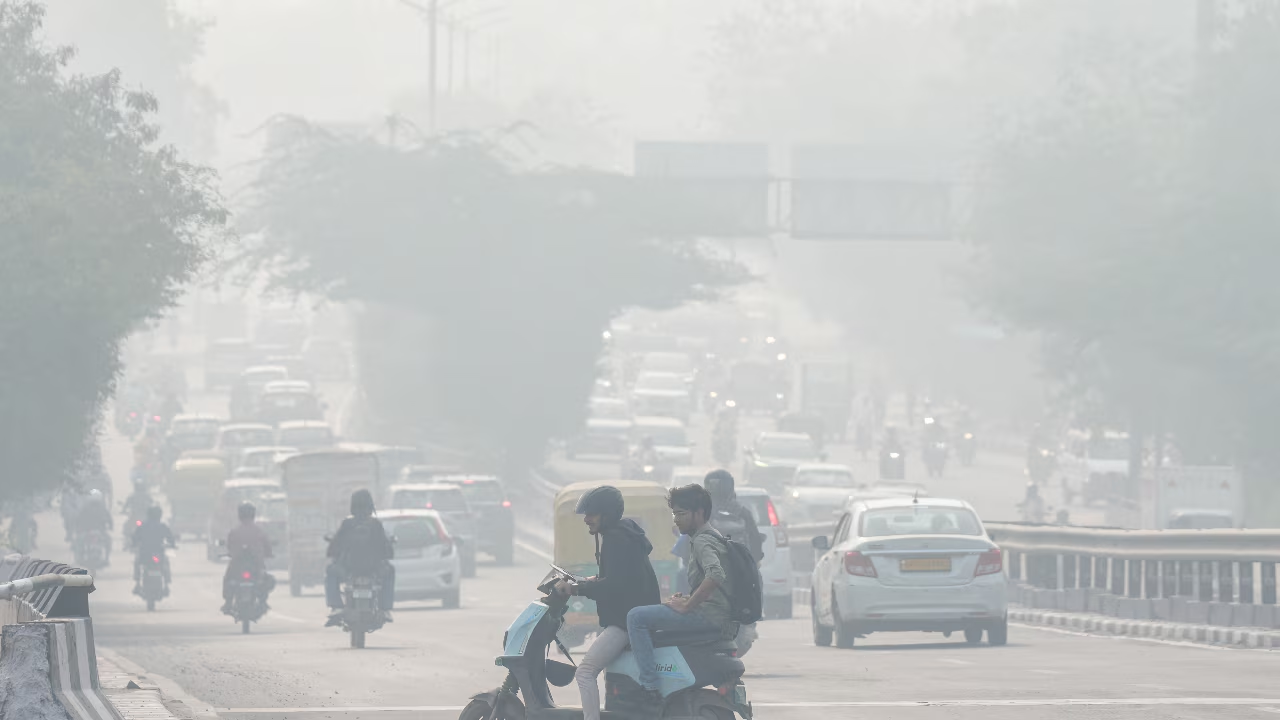
Delhi wakes up to toxic air, AQI crosses 400 in 22 monitoring stations as GRAP-3 restrictions take effect (Image: PTI)
Delhi continued to struggle with poor air quality on Saturday morning, November 7, as pollution levels remained high across the national capital ahead of DiwaliThe city’s overall Air Quality Index (AQI) stood at 365 at 7:30 am, placing it in the ‘very poor’ categorySeveral parts of the city recorded AQI levels above 400, which falls in the ‘severe’ categoryIIT Delhi recorded the highest AQI of 440, followed by Punjabi Bagh at 433 and Vivek Vihar at 425.
According to the Central Pollution Control Board (CPCB), 22 of the 59 monitoring stations reporting data recorded severe air quality at 7:30 amThe remaining stations were largely in the very poor category.
An earlier reading on the Delhi government’s live air quality portal showed an overall AQI of 367 at 5 am on Saturday, with 22 stations in the severe category.
Delhi air pollution: Top 10 areas with highest AQI
Here are the 10 monitoring stations that recorded the highest AQI levels on Saturday morning:
| Monitoring station | AQI | Main pollutant |
|---|---|---|
| IIT Delhi | 440 | PM10 |
| Punjabi Bagh | 433 | PM2.5 |
| Vivek Vihar | 425 | PM2.5 |
| Mundka | 421 | PM2.5 |
| Jahangirpuri | 421 | PM2.5 |
| Rohini | 418 | PM2.5 |
| RK Puram | 414 | PM2.5 |
| Najafgarh | 412 | PM2.5 |
| Sonia Vihar | 412 | PM2.5 |
| Sirifort | 411 | PM2.5 |
CAQM invokes GRAP STAGE III
With pollution levels moving closer to the severe category, the Commission for Air Quality Management (CAQM) on Friday, November 6, brought Stage III measures of the Graded Response Action Plan (GRAP) into force across Delhi-NCR.
The decision came after Delhi’s average AQI reached 382 at 4 pm on Friday, according to the CPCBThe reading was higher than the 369 recorded a day earlier.
The move was also based on forecasts by the India Meteorological Department (IMD) and the Indian Institute of Tropical Meteorology (IITM), which warned that air quality could deteriorate further.
Under GRAP Stage III, strict restrictions have been imposed on construction and demolition activities that generate dust and contribute to pollutionThese restrictions cover the entire NCR, with exemptions for certain essential projects.
The authorities have also been asked to consider allowing government and private offices to operate with only 50 per cent of their staff physically present, while the remaining employees work from home.
In addition, the CAQM had already announced preventive pollution-control measures from November 5 to November 20These include restrictions on dust-generating construction work and reduced physical attendance in offices across Delhi and selected NCR districts.
Delhi weather: Temperature to remain around 29 degrees
Along with rising pollution, Delhi is also experiencing a gradual change in weather as winter approachesAccording to the IMD forecast, the minimum temperature in Delhi is expected to remain around 16 degrees Celsius on Saturday, while the maximum temperature may reach 29 degrees Celsius.
The weather department has forecast shallow fog during the early morning hours, followed by mainly clear conditionsNo weather warning has been issued for the day.
The minimum temperature is expected to fall further in the coming daysThe IMD forecast suggests that it could drop to around 15 degrees Celsius on November 8 and 9, while daytime temperatures may remain between 28 and 29 degrees Celsius.
Meanwhile, the IITM has warned that Delhi’s air quality could remain in the severe category from November 7 to November 9The forecast for the following six days also suggests that pollution levels may fluctuate between the severe and very poor categories.
What does GRAP stage III mean?
The Graded Response Action Plan is a set of emergency measures introduced to control air pollution in Delhi-NCRDifferent restrictions are activated depending on the city’s AQI levels and pollution forecasts.
The AQI scale has six categories: good, satisfactory, moderate, poor, very poor and severeAn AQI between 301 and 400 falls in the very poor category, while readings between 401 and 500 are considered severe.
Stage III of GRAP is activated when air quality reaches the severe category or when forecasts indicate that it is likely to do so.
The main aim of these restrictions is to reduce pollution from construction activities, vehicles, industries and other sources before the situation becomes worse.