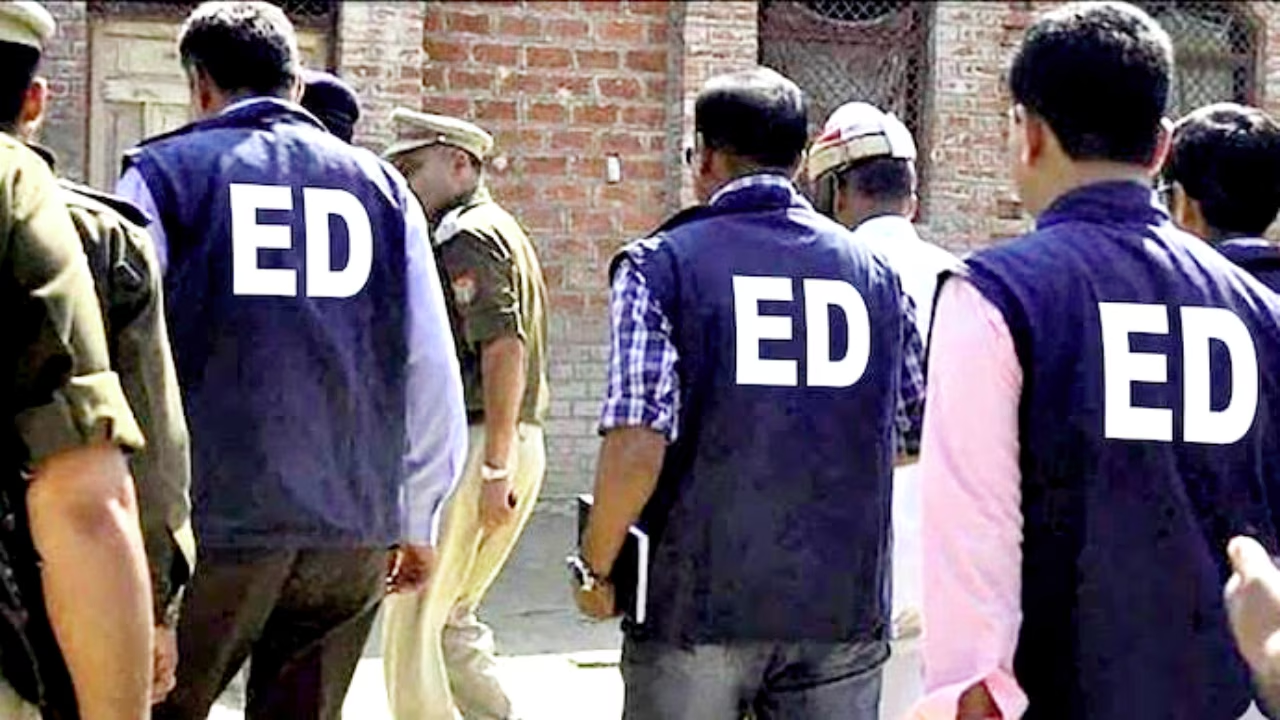
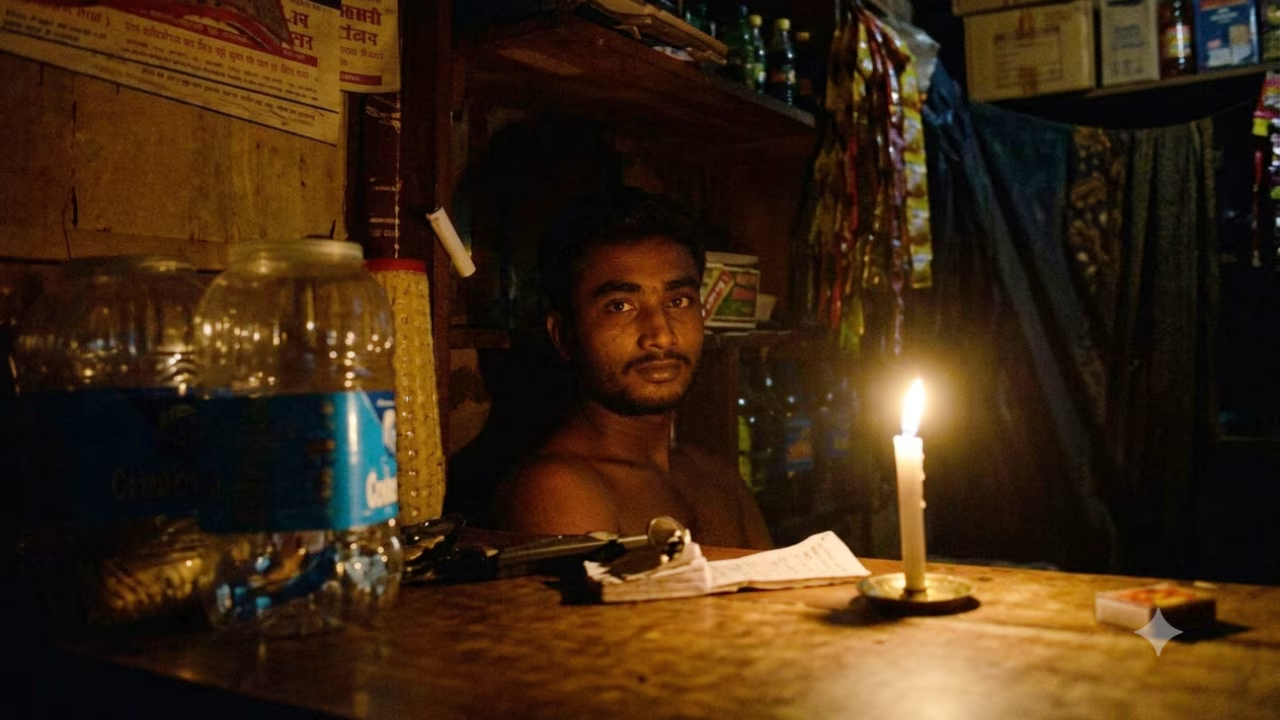
Power cuts across Gurugram, Faridabad and Nuh have disrupted daily life as Haryana electricity employees continue their three-day strike against a private company’s licence to distribute power.
Share Article
https://www.india.com/news/india/gurugram-faridabad-and-nuh-hit-by-long-power-cuts-what-triggered-electricity-crisis-in-haryana-workers-protest-private-electricity-licence-8538381/

Gurugram, Faridabad and Nuh hit by long power cuts: What triggered electricity crisis in Haryana?(AI/File)
Thousands of residents in Gurugram, Faridabad and Nuh have faced long power cuts after electricity department employees across Haryana began a three-day strike against a decision to allow a private company to distribute electricity in Gurugram and NuhThe strike, which began on the night of October 21, has disrupted daily life, affecting homes, businesses, industries, water supply and internet servicesSeveral residents reported being without electricity for hours, while complaints about the outages continued to come in on October 22 and 23.
In Faridabad, people living in Sectors 16 and 31 reported power cuts that began around midnight or in the early hours of ThursdayResidents in the NIT-2 area also protested against the prolonged outage, with the demonstration leading to a road blockade.
Gurugram faced widespread disruption as wellResidents complained that the lack of electricity affected not only lights and household appliances but also water supply and Wi-Fi connectionsGyms, shops and other commercial establishments also struggled to operate without a steady power supply.
According to reports, the power department received more than 3,000 complaints in Gurugram within the first 12 hours of the strikeSeveral industrial units were also affected, raising concerns about financial losses due to interruptions in production.
Why are Haryana’s electricity employees on strike?
The main reason behind the strike is the Haryana Electricity Regulatory Commission’s (HERC) decision to grant a 25-year electricity distribution licence to Eleven Power Private Limited for Gurugram and Nuh.
The regulator issued the order on October 19, allowing the private company to develop its own electricity distribution network in areas currently served by the state-owned Dakshin Haryana Bijli Vitran Nigam (DHBVN).
Electricity employees and engineers have strongly opposed the decisionThey believe that allowing a private company to operate alongside the government utility is a step towards privatisation and could put their jobs at risk.
The Haryana Electricity Employees and Engineers Joint Struggle Front called for a three-day statewide strike from October 22 to 24 after earlier protests and attempts to resolve the matter failed to produce an agreement.
The unions want the government to cancel the private company’s licence and stop further moves towards privatisationThey have also warned that the protest could be intensified if their demands are not addressed.
What is a parallel electricity distribution licence?
A parallel distribution licence allows two or more licensed companies to supply electricity in the same geographical areaIt does not automatically mean that the existing government-run company will be removed.
Under HERC’s decision, Eleven Power can develop a distribution network in Gurugram and Nuh alongside DHBVNOnce the company’s network becomes available in a particular area and the required arrangements are approved, consumers could have the option to choose between the two electricity providers.
The licence covers the Gurugram and Nuh revenue districts, including areas such as Gurugram city, Manesar, Sohna and Nuh.
More than 8.3 lakh electricity consumers in the two districts could eventually have a choice of distributorHowever, this does not mean that consumers can switch providers immediatelyThe company must complete the required preparations and obtain approval for a consumer migration plan before transfers can take place.
The company has proposed an investment of around Rs 4,717 crore over five years to develop its networkIts plans include improvements to electricity infrastructure, such as underground cables and substationsThe proposed supply is expected to begin in phases, with operations targeted from the 2027-28 financial year.
Why are employees opposing the move?
Employee unions argue that Gurugram and Nuh are important areas for the state’s electricity distribution business because they have a large number of homes, offices, shops and industrial units.
They fear that if a private company attracts consumers in these areas, DHBVN could lose some of its revenueAccording to the unions, this could weaken the public utility financially and affect its ability to serve other areas.
The employees have also raised concerns about job security and the possible impact on farmers and ordinary consumersThey fear that the introduction of private competition could eventually lead to further changes in the state’s electricity distribution system.
The unions have described the licence as indirect privatisation and demanded that the government protect the existing public electricity network.
However, supporters of the move believe that allowing another distributor to enter the market could give consumers more choice and encourage improvements in service quality.
Haryana government plans to challenge HERC’s decision
The dispute has also put the Haryana government in a difficult positionChief Minister Nayab Singh Saini has said the government will challenge HERC’s decision before the Appellate Tribunal for Electricity (APTEL).
The state government has expressed support for electricity employees and urged them to call off the strikeIt has also said it is prepared to pursue the legal challenge if necessary.
Meanwhile, officials have been trying to manage the disruption and maintain essential electricity servicesHowever, talks with striking employees have not immediately resolved the dispute.
The government is now facing pressure to address the employees’ concerns while dealing with the regulator’s decision and the effect of the strike on consumers.