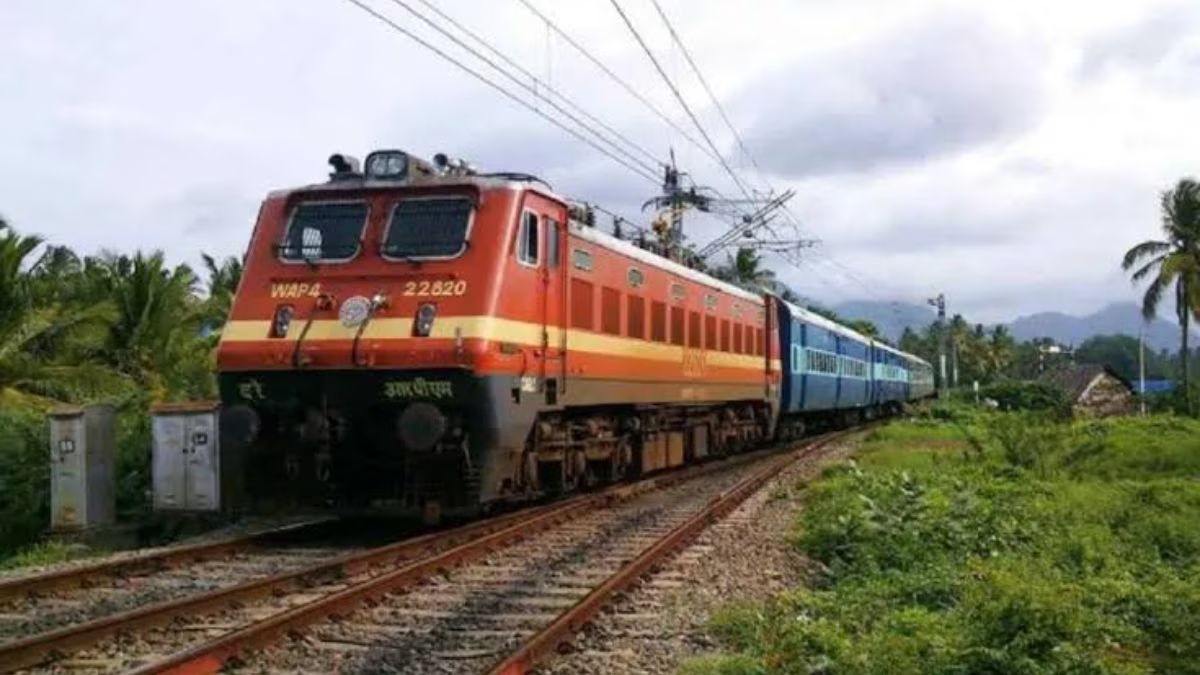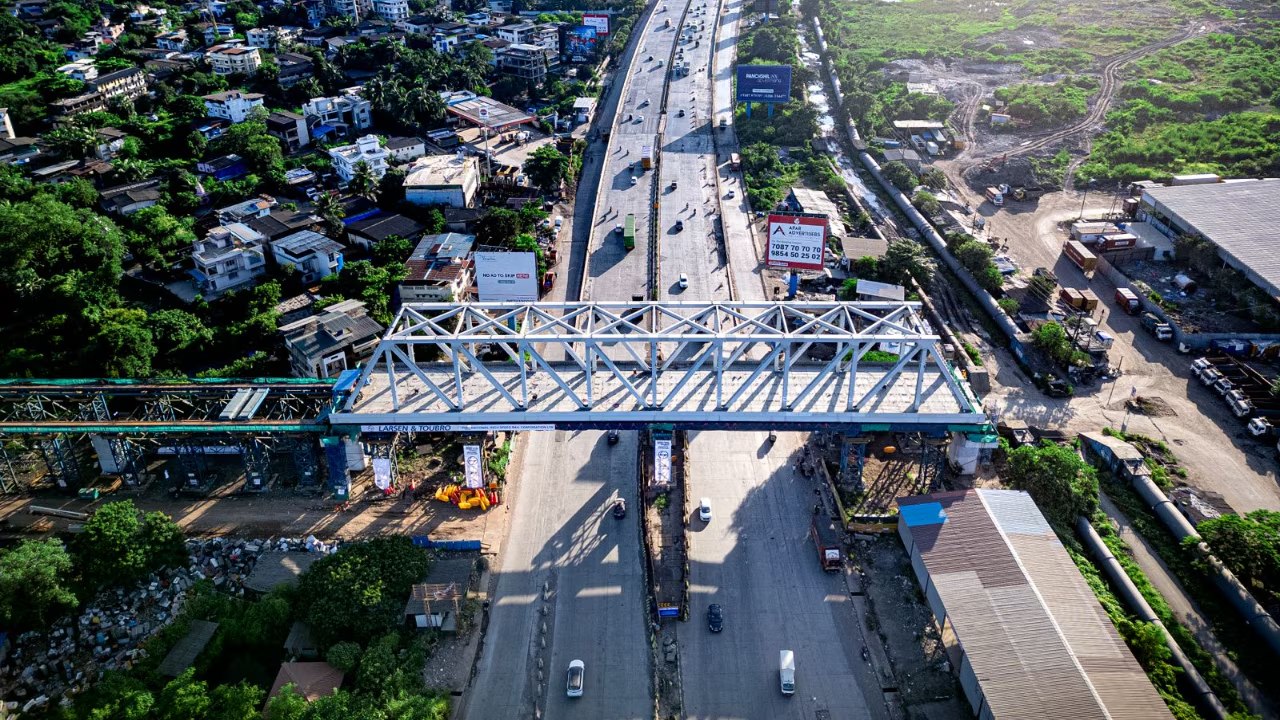
The Mumbai-Ahmedabad Bullet Train project has achieved a major milestone in Maharashtra with the launch of a 100-metre-long, 1,405-tonne steel bridge over the Nashik Highway in Bhiwandi.
Share Article
https://www.india.com/news/india/mumbai-ahmedabad-bullet-train-gets-first-steel-bridge-in-maharashtra-1405-tonne-structure-launched-over-nashik-highway-8531188/
The Mumbai-Ahmedabad Bullet Train project has reached another important milestone in MaharashtraA 100-metre-long steel bridge weighing around 1,405 metric tonnes has been successfully installed over NH-3, also known as the Nashik Highway, near Dive-Anjur village in Bhiwandi, Thane district.
This is the first steel bridge completed for the Mumbai-Ahmedabad Bullet Train project in MaharashtraThe bridge was launched during a night-time traffic block so that work could be carried out safely while reducing disruption for highway users.
Read more:
Mumbai-Vadodara in 90 minutes: When will India’s first indigenous bullet train trials begin?
From Trichy to Thane: A 1,300-km journey
One of the most interesting parts of the project is where the bridge was madeThe steel structure was fabricated at a workshop in Trichy, Tamil Nadu, nearly 1,300 km away from the installation site in Maharashtra.
After fabrication, the different parts were transported by specially arranged trailers to MaharashtraThey were then assembled at the site before the bridge was moved into its final position.
How was the huge bridge installed?
The bridge was first assembled on temporary structures called trestles, around 17.5 metres above the groundWorkers used 22 skid arrangements to move the massive structureMore than 54,000 Tor-Shear Type High Strength Bolts were used to connect the different sections.
The bridge also has a C5 protective paint system, which helps protect the steel from corrosionElastomeric bearings have also been installed to help manage movement and vibrations.
Once the assembly was ready, the entire structure was gradually pulled into its final position using an automated system.
The system included two hollow jacks, each capable of handling up to 150 metric tonnes, along with pre-tensioned Macalloy bars.
Because the bridge was being installed over a busy highway, the work was carried out during night-time traffic blocksThis helped reduce inconvenience to motorists and allowed engineers to carry out the operation in a controlled manner.
Why are steel bridges being used?
The Mumbai-Ahmedabad High-Speed Rail corridor mainly uses elevated viaductsHowever, some locations require much longer spans because the bullet train line has to cross existing highways, railway tracks, rivers and other major infrastructure.
For such locations, specially designed steel bridges are being used.
The entire corridor has 28 planned steel bridges, including crossings over highways, railway lines and other important structuresRecent NHSRCL updates indicate that 16 of these 28 bridges have been completed.
The Maharashtra section itself is around 156 km long and includes elevated sections, tunnels, stations and special structures.
India-made technology and engineering
The bridge is also being highlighted as an example of India’s growing ability to manufacture large and technically demanding infrastructure components domestically.
Its fabrication involved several stages, including precision cutting, drilling, welding and paintingSteel batches were subjected to ultrasonic testing, while certified welders and supervisors were involved in the fabrication process.
Similar steel bridges for the Bullet Train project have also been manufactured in Indian workshops and transported to construction sitesFor example, NHSRCL earlier launched a 100-metre steel bridge near Bharuch in Gujarat that was fabricated in Trichy and transported to the site.
The project therefore involves more than simply building a bridge at one locationIt requires designing, fabricating, testing, transporting, assembling and finally launching a massive structure over existing infrastructure.
Mumbai-Ahmedabad Bullet Train project
The 508-km Mumbai-Ahmedabad High-Speed Rail corridor is India’s first bullet train projectIt is being developed by the National High Speed Rail Corporation Limited (NHSRCL).
The corridor includes several major engineering structures, including long-span steel bridges, tunnels and elevated viaducts.
The latest bridge launch in Bhiwandi adds another major structure to the Maharashtra section and marks further progress on the country’s first high-speed rail corridor.
(With inputs from agencies)