


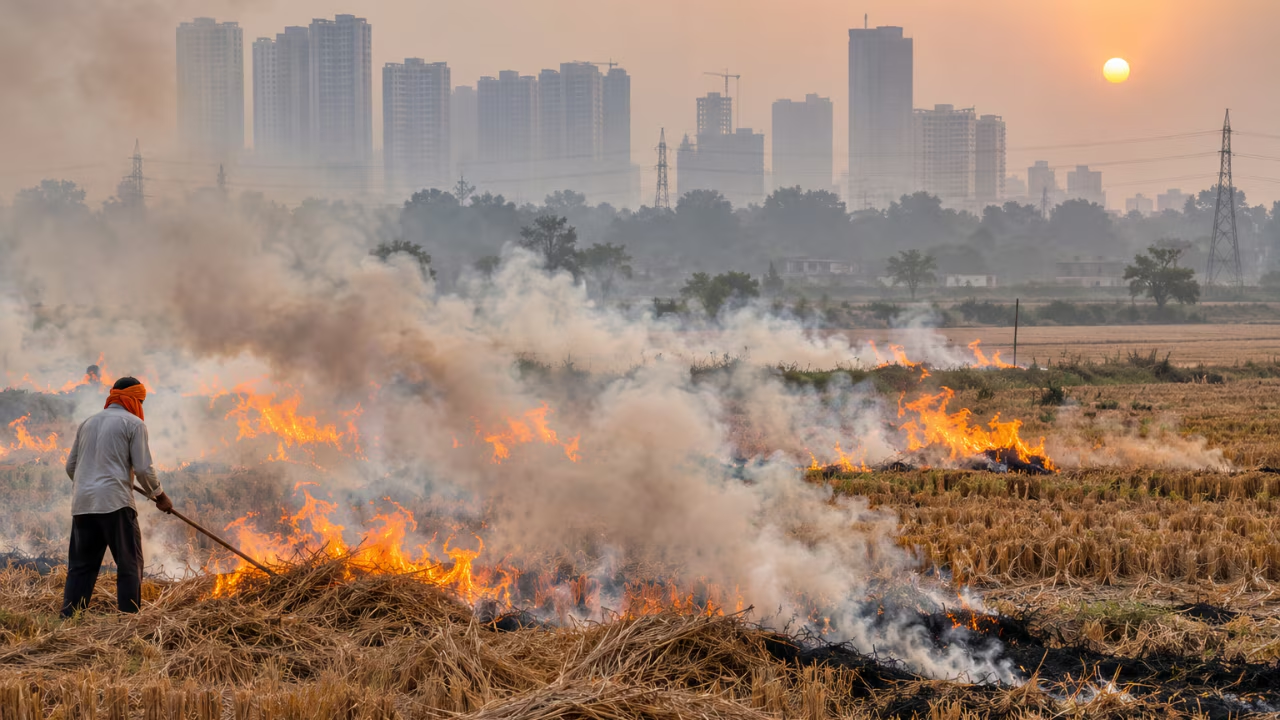
Punjab stubble burning cases cross the 3,000 mark, triggering severe air pollution warnings and deteriorating air quality in Delhi-NCR.
Updated: November 7, 2026, 3:53 PM IST
Share Article
https://www.india.com/news/india/pollution-warning-stubble-burning-cases-cross-3000-mark-in-punjab-expected-to-worsen-air-quality-in-delhi-ncr-8542978/
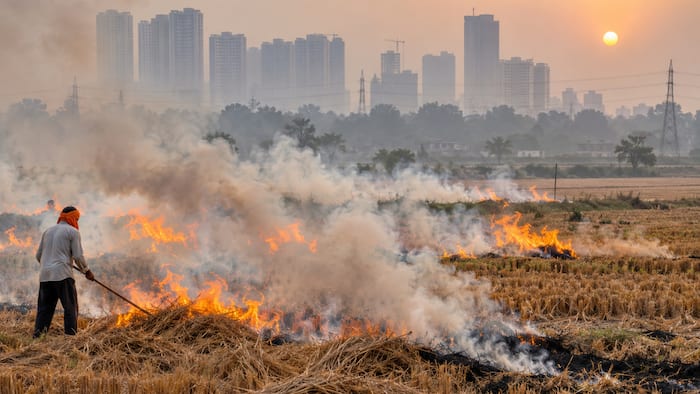
Image for representational purposes
New Delhi: In a matter of concern amid the rising pollution in the country, the number of stubble burning incidents in Punjab crossed the 3,000 mark on SaturdayIn a mark of danger for the Northern states of India who are already suffering from polluting air, the data shared by Punjab Pollution Control Board (PPCB) indicated that the state recorded 3,144 farm fire incidents between September 15 and November 6, up from 2,787 cases reported till November 5For a background, stubble burning in Punjab and Haryana is often blamed for the rise in air pollution in Delhi-NCRWith the window for the Rabi crop, wheat, being very short after paddy harvest in October and November, some farmers set their fields on fire to quickly clear the crop residue.
Among the most pollution districts is Tarn Taran, which reported the highest number of farm fires at 611, followed by Ferozepur at 410, Sangrur at 281, Bathinda at 262 and Amritsar at 231Fines amounting to Rs 54.55 lakh have been imposed as environmental compensation in 1,077 cases so far, of which Rs 30.05 lakh has been recovered, according to PPCB data.
The data also showed that 795 FIRs were registered against farm fire incidents during this period under Section 223 (disobedience of order promulgated by public servant) of the Bharatiya Nyaya Sanhita (BNS).
State authorities have also made 931 red entries in the land records of farmers found burning crop residues, including 301 in Tarn Taran and 98 in FerozepurA red entry bars farmers from getting loans against their farmland or selling it.
Punjab recorded 5,114 farm-fire incidents during the 2025 paddy harvesting seasonThe state had reported 10,909 such incidents in 2024, compared to 36,663 in 2023.
Delhi’s AQI remains ‘very poor’ at 365, pollution levels continue to rise
Delhi’s air quality continued to remain in the ‘very poor’ category on Saturday, with the 24-hour average Air Quality Index (AQI) recorded at 365, according to the Delhi government’s air quality monitoring data.
The national Capital has been witnessing deteriorating air quality over the past few days, with pollution levels remaining consistently highOn Friday evening, Delhi’s AQI stood at 382, also falling in the ‘Very Poor’ category, according to the Central Pollution Control Board (CPCB).
Amid the worsening pollution situation, the Commission for Air Quality Management (CAQM) on Friday invoked Stage III of the Graded Response Action Plan (GRAP) across Delhi-NCR as a precautionary measure, days ahead of Diwali.
(With inputs from agencies)