The SC has flagged 14 defects in Rahul Gandhi and other INDIA bloc leaders’ petition against the EC over alleged electoral irregularitiesThey include missing documents, incomplete authorisations and a Rs 220 court fee shortfall.
Share Article
https://www.india.com/news/india/rs-220-fee-shortfall-missing-documents-blurred-id-sc-flags-14-defects-in-rahul-gandhis-plea-against-ec-sir-electoral-roll-8535487/
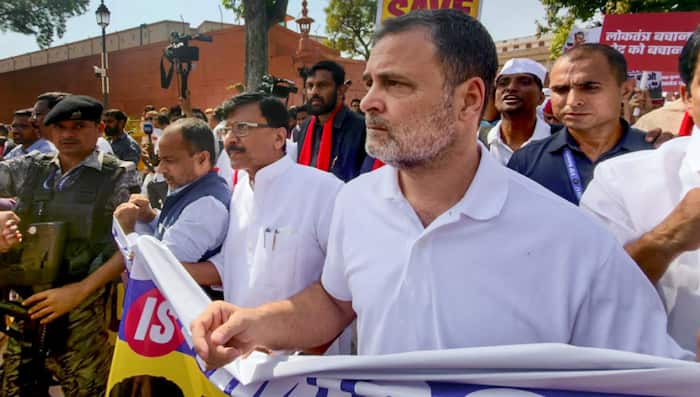
Rs 220 fee shortfall, missing documents, blurred ID: SC flags 14 defects in Rahul Gandhi’s plea against EC (Image: PTI)
The Supreme Court Registry has pointed out 14 errors in a petition filed by Lok Sabha Leader of Opposition Rahul Gandhi and other INDIA bloc leaders against the Election Commission of India (ECI)The objections include missing documents, incomplete authorisations for nine petitioners, a blurred identity card of Congress president Mallikarjun Kharge and a court fee shortfall of Rs 220.
The petition will be eligible for a hearing after the legal team corrects all the errors raised by the Registry.
The Opposition leaders have approached the Supreme Court seeking a temporary halt to the Special Intensive Revision (SIR) of electoral rollsThey have also asked the court to examine alleged irregularities in the election process and the decisions taken by the Election Commission.
The case has been registered on the Supreme Court website under the title Rahul Gandhi vElection Commission of IndiaAccording to the information available, the Congress legal team submitted the petition shortly before Rahul Gandhi arrived at the courtSince he could not reach before the 4.30 pm deadline, lawyer S Prasanna filed the plea.
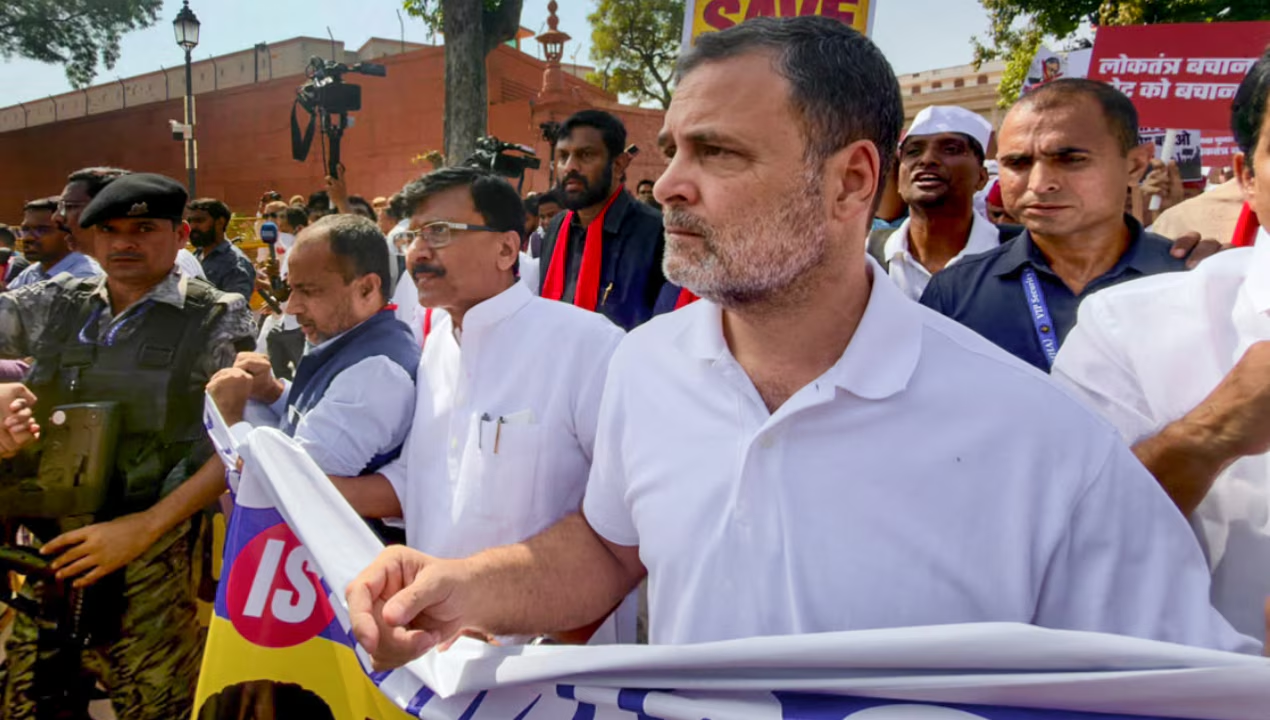
Gandhi later joined a march towards the Supreme Court along with hundreds of supporters and leaders from opposition partiesThose present included Congress president Mallikarjun Kharge, Priyanka Gandhi, Samajwadi Party chief Akhilesh Yadav, Trinamool Congress chief Mamata Banerjee and RJD leader Tejashwi Yadav.
The joint petition was filed after Chief Justice of India Surya Kant declined to meet Rahul Gandhi a day earlier, saying the matter was already before the courtThe Opposition has also demanded the resignation of Chief Election Commissioner Gyanesh Kumar.
What are the 10 demands made by Rahul Gandhi and other INDIA Bloc leaders?
The petition seeks 10 forms of relief from the Supreme CourtThese include access to election records, an independent review of the revision exercise and safeguards to prevent eligible voters from losing their names on electoral rolls.
1Make all SIR records public
The petition asks the Election Commission to provide all documents related to the SIR exerciseThese include official files, agreements, meeting minutes, records of objections, system access logs and internal notes explaining the decision to start the process on June 24, 2025.
The petitioners argue that these records are necessary to check whether the exercise follows constitutional protections under Articles 14, 19 and 21, along with the Election Commission’s responsibilities under Article 324.
2Review the Election Commission’s decisions
The leaders want the Supreme Court to examine whether the decisions taken during the SIR exercise follow the Constitution, existing laws and earlier court judgments.
The plea specifically refers to Section 18 of the Chief Election Commissioner and Other Election Commissioners Act, 2023, and the 1995 judgment in Seshan vUnion of IndiaIt asks the court to cancel decisions that were taken without proper legal authority.
3Take action against officials who broke the rules
The petition seeks action against officials found responsible for violating laws or constitutional rules related to electoral rolls.
It also refers to Section 32 of the Representation of the People Act, 1950, which deals with certain offences connected with official duties relating to electoral rolls.
4Ensure complaints are properly decided
The petitioners want the Election Commission to formally consider their concerns and other complaints linked to the SIR process.
They have asked the court to ensure that decisions are taken according to the law, properly documented and supported by official records.
5Follow the prescribed format for online Form 6
The plea raises concerns about changes to the online Form 6, which is used to apply for inclusion in electoral rolls.
The leaders want the Election Commission to use the format prescribed under the Registration of Electors Rules, 1960They argue that any changes to the official form should be made through the proper legal process rather than introduced informally.
6Set up an independent committee to audit the process
The petition calls for an independent committee led by a retired Supreme Court judgeTechnical experts and other eminent citizens should also be part of the proposed panel.
The committee would examine voter deletions and changes made during the SIR exercise, access to election databases and modifications involving ECINET and ERONET.
It would also review the technical design, systems, policies and procedures related to Electronic Voting Machines (EVMs)The petitioners want the committee to consider international practices that could help improve the fairness and transparency of elections.
7Publish details of voters removed from Electoral Rolls
The leaders have asked the Election Commission to release booth-wise lists of people whose names were removed during the SIR exercise.
These lists should mention the reasons for each deletion and provide details such as the age and gender of the affected votersThe plea also calls for a proper system to help eligible citizens get their names restored.
8Give voters notice and a chance to respond before deletion
The petitioners argue that no voter should lose their place on the electoral roll without receiving the legally required notice and a reasonable opportunity to explain their case.
They have also asked that eligible voters in Punjab and other states heading towards elections be allowed to apply for inclusion within the applicable statutory deadline.
9Stop the SIR exercise until the court decides the matter
One of the main demands is an interim stay on the SIR exercise across all states.
The petitioners want the process paused until the Supreme Court examines the issues raised in the pleaThey argue that this would help protect the voting rights of eligible citizens and maintain public confidence in the electoral process.
10Grant any other relief needed to protect voters’ rights
The final demand asks the Supreme Court to issue any additional directions it considers necessary to safeguard the election process and protect the voting rights of eligible citizens.