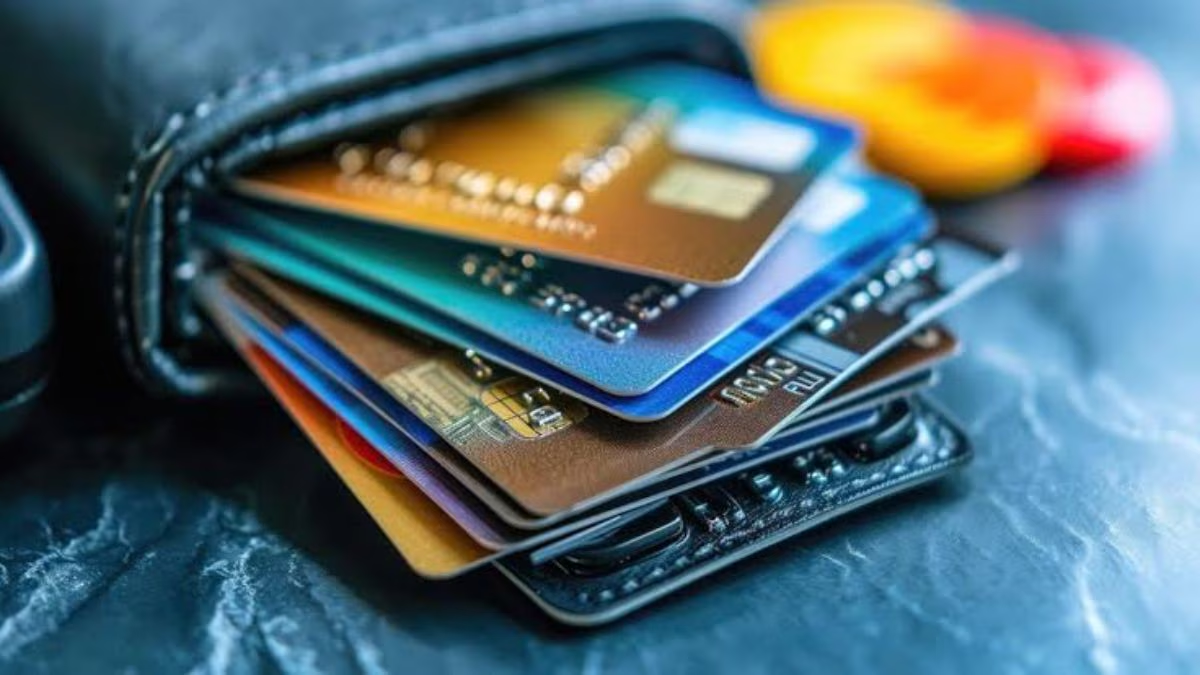
Credit card companies offer the option of paying the minimum due instead of the full billAlthough it may seem like a way to escape penalties, there is more to it than meets the eye.
Published: August 1, 2026, 9:40 PM IST
Share Article
https://www.india.com/news/india/should-you-pay-only-the-minimum-due-on-your-credit-card-heres-the-truth-8490458/
Having a minimum due in credit cards important? Representational image
Credit cards have become a popular mode of payment for everything from shopping to utility bills, thanks to their convenienceBut when the monthly bill arrives, cardholders are faced with two options — pay the entire outstanding amount or just the minimum dueWhile paying only the minimum due may seem like an easy way out, doing so regularly can lead to hefty interest charges, increase your debt burden and, over time, negatively affect your CIBIL score.
The minimum due option is meant for situations where cardholders are short on funds and unable to pay the full bill for the monthBy paying at least the minimum amount, you can avoid your account slipping into defaultBut this doesn’t mean your debt has been cleared, as the unpaid balance remains and continues to incur interest.
What is the minimum due game?
The minimum due on a credit card bill is generally around 5% of the total amount owedAlthough paying this amount helps you avoid being marked as a defaulter, it doesn’t clear your debtThe unpaid balance remains on your account, and banks start charging interest on itSince credit card interest rates can range between 30 per cent and 40 per cent annually, repeatedly paying only the minimum due can quickly turn into a costly habit.
As interest continues to pile up, you end up paying more towards interest than the actual outstanding balance, making it increasingly difficult to get out of debt.
Also Read |
It affects the CIBIL score
A private bank credit card manager says that while paying the minimum due can prevent your card account from being marked as a default, relying on it every month can affect your credit profileRegularly carrying forward unpaid balances raises your credit utilisation ratio, which lenders may view as a sign of financial stressThis can lower your CIBIL score and create hurdles when applying for loans.