
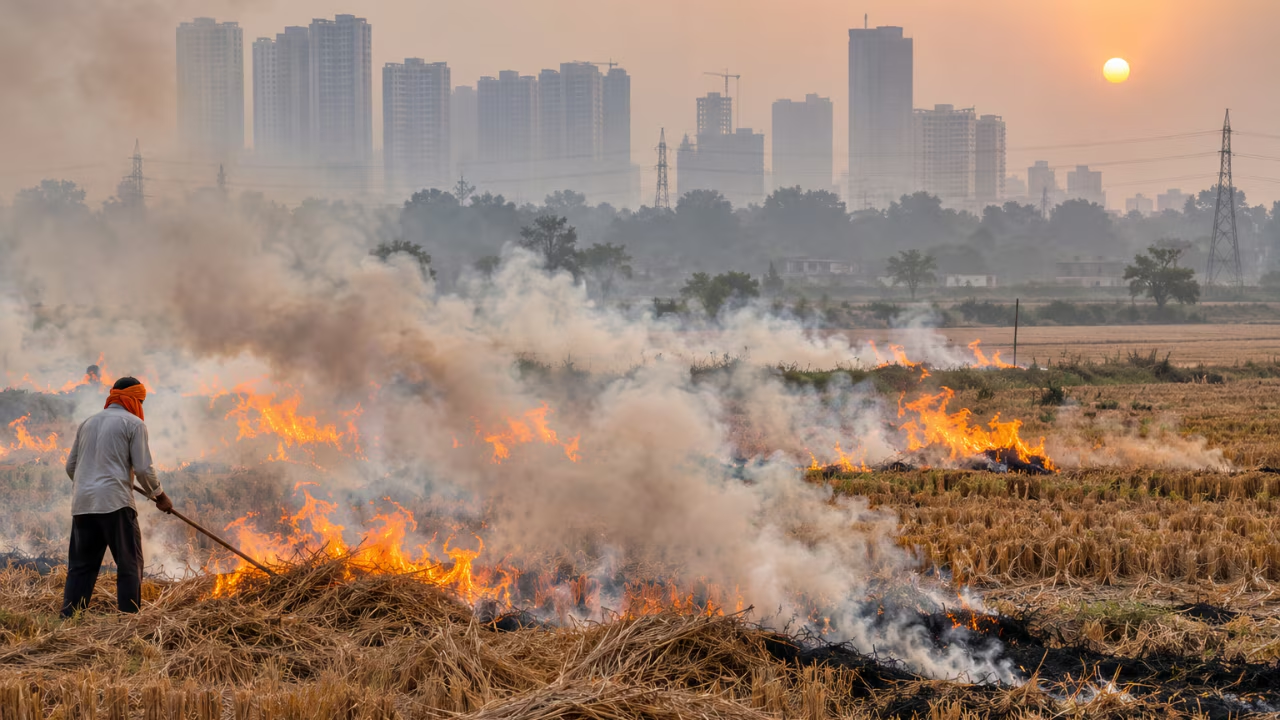
In 2025, reports revealed that farmers in these states avoided burning stubble between 10 am and 1:30 pm to evade satellite surveillance
Share Article
https://www.india.com/news/india/stubble-burning-satellite-surveillance-drones-fines-uttar-pradesh-haryana-punjab-rajasthan-delhi-bihar-8537675/
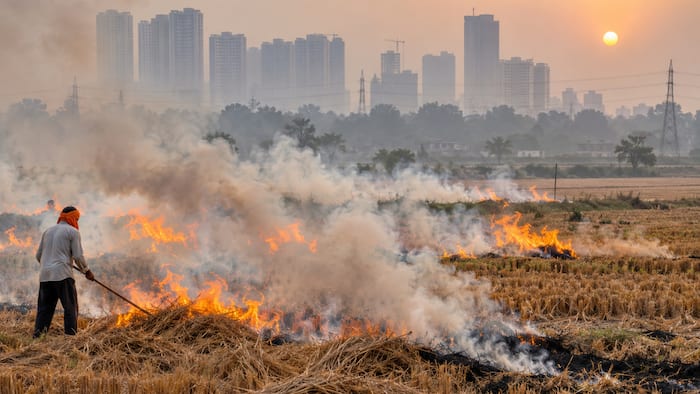
Image for representational purposes
New Delhi: Increased surveillance of stubble burning and steps to discourage farmers from burning crop residue appear to be yielding resultsBarring Punjab and Rajasthan, stubble-burning incidents reported so far in Haryana, Uttar Pradesh and other states have declined compared to previous yearsThe most striking picture is that of Haryana, where only nine cases of stubble burning have been reported this year.
This is significant given that Haryana, along with Punjab, was traditionally counted among the states with the highest number of stubble-burning incidents.
Read more:
Work from home in Delhi from November? Government announces steps to combat pollution this winter
Here are some of the key details:
- According to the report, a total of 1,171 stubble-burning incidents have been recorded so far across seven states
- This year, drones are being used to monitor Punjab and Haryana, where farmers have previously managed to evade satellite surveillance while burning stubble.
- Except for a few districts in Punjab bordering Pakistan, drones have been deployed across all districts in both states.
- Monitoring continues even after satellite surveillance hours, with drones keeping watch until 3 am.
- Last year, it emerged that farmers in these states avoided burning stubble between 10 am and 1:30 pm, taking satellite surveillance schedules into account.
- According to the Commission for Air Quality Management (CAQM), 125 drones were initially directed to be deployed in Punjab to tackle stubble burning.
- Given the relatively low number of incidents, only 66 drones have been deployed.
- Haryana was supposed to deploy 50 drones, but only 20 have been put into service.
- Ground teams have been deployed in both states to conduct continuous monitoring and submit reports.
Meanwhile, following the imposition of penalties, all 11 thermal power plants located within a 300-km radius of Delhi-NCR are now using stubble on a large scale as fuelAccording to the report, all these plants have used stubble for more than 4 percent of their total fuel consumptionLast year, the Supreme Court imposed a penalty of Rs 61 crore on these plants for failing to use stubble as fuel despite official directivesOf this amount, the plants have already deposited Rs 31 crore.
Delhi govt to take action against buildings violating pollution control norms: Minister
Delhi Environment Minister Manjinder Singh Sirsa on Monday inspected anti-smog guns and water mist systems in high-rise buildings in the NDMC area and warned of strict action against establishments violating prescribed pollution control norms.
During the inspection, Sirsa reviewed the installation and operational status of the equipment and directed officials to take action against buildings, hotels, construction sites and other establishments found violating the applicable rules, according to a government statement.
Under the prescribed norms, commercial, institutional and hospitality buildings with ground plus five floors or above and a total built-up area exceeding 3,000 square metres are required to install pollution control systems to curb dust emissions.
The minister stressed that pollution control measures must extend beyond the installation of anti-smog guns and water mist systems, emphasising compliance with dust suppression norms at construction sites and regulations governing construction and demolition waste management.