


A new technology, MLFF, or “Multi-Lane Free Flow” will now be usedThis means there will be no barriers to collect tolls from vehiclesVehicles will pass, and the toll will be automatically deductedBut how is this technology different from FASTag?
Updated: November 26, 2026, 10:03 AM IST
Share Article
https://www.india.com/news/india/toll-will-now-be-deducted-from-the-fingerprints-of-vehicles-but-how-will-this-technology-work-8548030/
Toll will now be deducted from the ‘fingerprints’ of vehicles, but how will this technology work? (Pic: Nivedita Dash)
What’s this news about toll being deducted using a vehicle’s fingerprint? The news is that a new MLFF system is being installed at Delhi’s toll boothsMLFF stands for “Multi-Lane Free Flow.” This simply means that vehicles will continue to flow through toll booths without interruptionVehicles won’t have to stop, and the toll will be deducted automatically.
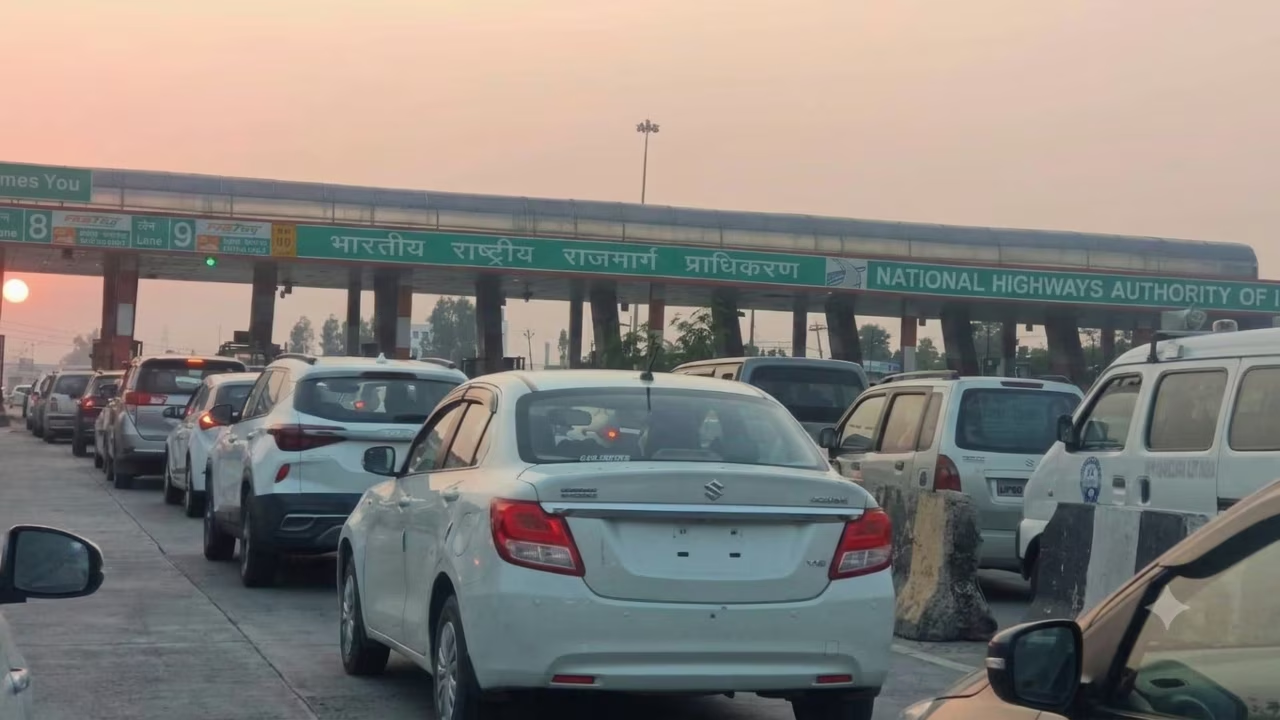
With the current Fastag system, the vehicle must stop at the barrierThe camera reads the vehicle’s Fastag, the money is automatically deducted, and only then does the barrier openThis means that despite the digital deducting of money, the vehicle still has to stop, just like before.
No need to brake, toll will be deducted even at a speed of 80
This new system will ensure that your vehicle won’t have to stop at the toll boothThere won’t even be a need to slow downEven if your vehicle travels at 80 kilometers per hour, the toll will be automatically deducted through the FastagThis feat is possible because a camera mounted on top will read the vehicle’s fingerprint.
Vehicle fingerprints are different from office attendance
Now the question is, what exactly is a vehicle’s fingerprint? Vehicles don’t have hands, so the system can match their fingerprintsFor example, in many offices today, attendance is taken; employees’ fingerprints are pre-recorded in the systemThen, when people arrive at the office, they place their finger on the machine, the camera matches the fingerprint, and then they are granted entryAlthough the fingerprints of vehicles aren’t exactly the same, before understanding this, let’s understand the workings of the entire system.
First opening for commercial vehicles on Delhi borders
First, this system is being implemented first at toll points entering DelhiCommercial vehicles entering Delhi from outside are required to pay municipal tollsWhether goods vehicles or passenger vehicles, personal vehicles are not required to pay this toll; only commercial vehicles areThis collection often results in long queues of vehicles at Delhi’s borders, especially during the morning and evening rush hours.
Now ‘gantry’ structure will be visible on every lane
Once this new system is implemented, there will be no barriers at toll plazasInstead, a tall gate-like structure will be built above each laneJust as speed-checking cameras are mounted on a structure above the roads, a similar tall structure will be installed above each lane, under which vehicles will passIn technical terms, this structure is called a “gantry.” All the cameras and modern sensors are mounted on this gantry.
How will cameras and readers installed on gantry read the vehicle’s identity?
The gantries are equipped with elevated radio frequency (RFID) readers that instantly read the Fastag of passing vehiclesHigh-definition cameras are also installed to recognize vehicle number platesAdditionally, special sensors are installed to read the vehicle’s fingerprint“Fingerprint” here refers to the unique digital identity of each vehicleJust as each person’s fingerprint is unique, each vehicle also has its own digital identity.
In the first phase, which entry points of Delhi will have this?
In the first phase, the system is being installed at 20 major entry points into DelhiThese include Ghazipur, Badarpur, Rajokri, Dwarka, Aya Nagar, the Delhi-Gurugram corridor, the DND Flyway, and major borders like KundliThese routes see the highest number of vehicles entering Delhi and are the most severe traffic jamsIn total, this technology will be installed at approximately 150 toll plazas along Delhi’s bordersInitially, the launch was scheduled for the end of October, but work has been delayed, and trials are currently underway.