ROCHESTER, N.Y., Feb. 6, 2026 /PRNewswire/ — What should patients understand before choosing PRP therapy as part of their treatment plan? The answer is outlined ina HelloNation article that explains key details about how this therapy works, what it can realistically achieve, and how patients can prepare for a smoother recovery experience. The article gives readers a clear foundation for making informed decisions and encourages thoughtful discussions with a provider.
The article begins by explaining why many people consider PRP therapy in the first place. Joint pain and soft tissue injuries often affect daily activities long after rest or standard treatment. The piece describes how PRP therapy uses a patient’s own blood, which is processed to create a platelet-rich solution and then injected into the injured area. The purpose is to support tissue repair rather than mask symptoms, and this helps readers understand the difference between healing and temporary relief.
The HelloNation feature also discusses how certain conditions respond better than others. According to the article, PRP therapy may be a reasonable option for lingering tendon injuries, muscle strains that resist routine therapy, or mild osteoarthritis where the joint still has repair potential. These conditions often retain enough viable tissue for platelets to stimulate healing. The article clarifies that injuries involving more advanced degeneration respond less consistently because there may be too little healthy tissue left for regeneration.
A detailed medical evaluation is highlighted as an important step before moving forward. Providers look at the age of an injury, its severity, how much healthy tissue remains, and the patient’s overall health history. The article stresses that these factors shape expectations and help predict how well PRP therapy may work. The feature also notes that patients sometimes assume all injuries heal at the same rate, which is not the case. The evaluation helps prevent unrealistic expectations.
The timeline for improvement is another key topic in the HelloNation article. Readers learn that PRP therapy focuses on long-term repair rather than immediate symptom reduction. Many patients start noticing subtle improvements after four to six weeks, with progress continuing for several months. The article explains that this slow pace matches natural healing and that steady gains are more meaningful than quick, short-lived relief. This clarity helps reduce confusion during the early stages of recovery.
Follow-up care is described as part of the broader healing process. Providers may recommend physical therapy, strengthening routines, flexibility exercises, or short-term adjustments in activity. These steps work with PRP therapy to reduce strain on injured areas and support healthier movement patterns. The article also mentions that some patients may benefit from a second injection, depending on how well the first treatment performed and how the tissue responded.
The article offers guidance on preparing for treatment as well. Patients may be advised to avoid NSAIDs and other blood-thinning medications because they can affect platelet performance. On the day of the procedure, blood is drawn and spun in a centrifuge while the provider prepares the injection site. Mild soreness during the first two days is considered normal. The article emphasizes that allowing the treated area to rest and following a structured rehabilitation plan can support better long-term results.
Managing expectations is another major focus of the HelloNation feature. Some patients may feel discouraged when progress does not appear quickly. The article explains that PRP therapy is not designed to produce instant results but to support gradual healing. Factors such as injury type, age, lifestyle, general health, and nutrition all influence recovery. Understanding these influences leads to a more accurate sense of what PRP therapy can provide.
The article also addresses safety. Since the injection is prepared from the patient’s own blood, the risk of allergic reaction is extremely low. Mild swelling, temporary soreness, or slight bleeding can occur, but complications remain uncommon. The article encourages patients to discuss any concerns ahead of time so they understand how the risks relate to their health situation.
In closing, the article emphasizes the value of being prepared and informed before starting PRP therapy. It explains that this treatment works best for injuries that still have healing potential, and that results depend on tissue quality and biological factors. By understanding how PRP therapy works and what type of outcomes are realistic, patients are better equipped to determine whether the treatment aligns with their recovery goals. This guidance helps set the stage for a smoother and more confident experience.
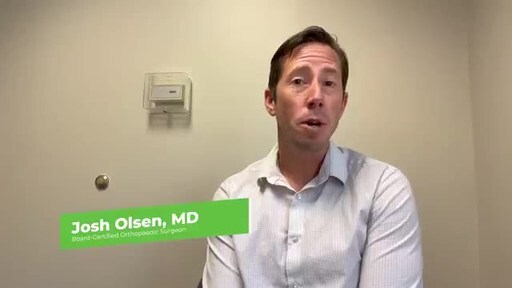
What to Know Before PRP Therapy features insights from Joshua Olsen, M.D., Orthopaedics Expert of Rochester, NY, in HelloNation.
About HelloNation HelloNation is a premier media platform that connects readers with trusted professionals and businesses across various industries. Through its innovative “edvertising” approach that blends educational content and storytelling, HelloNation delivers expert-driven articles that inform, inspire, and empower. Covering topics from home improvement and health to business strategy and lifestyle, HelloNation highlights leaders making a meaningful impact in their communities.
SOURCE HelloNation












Leave a Reply