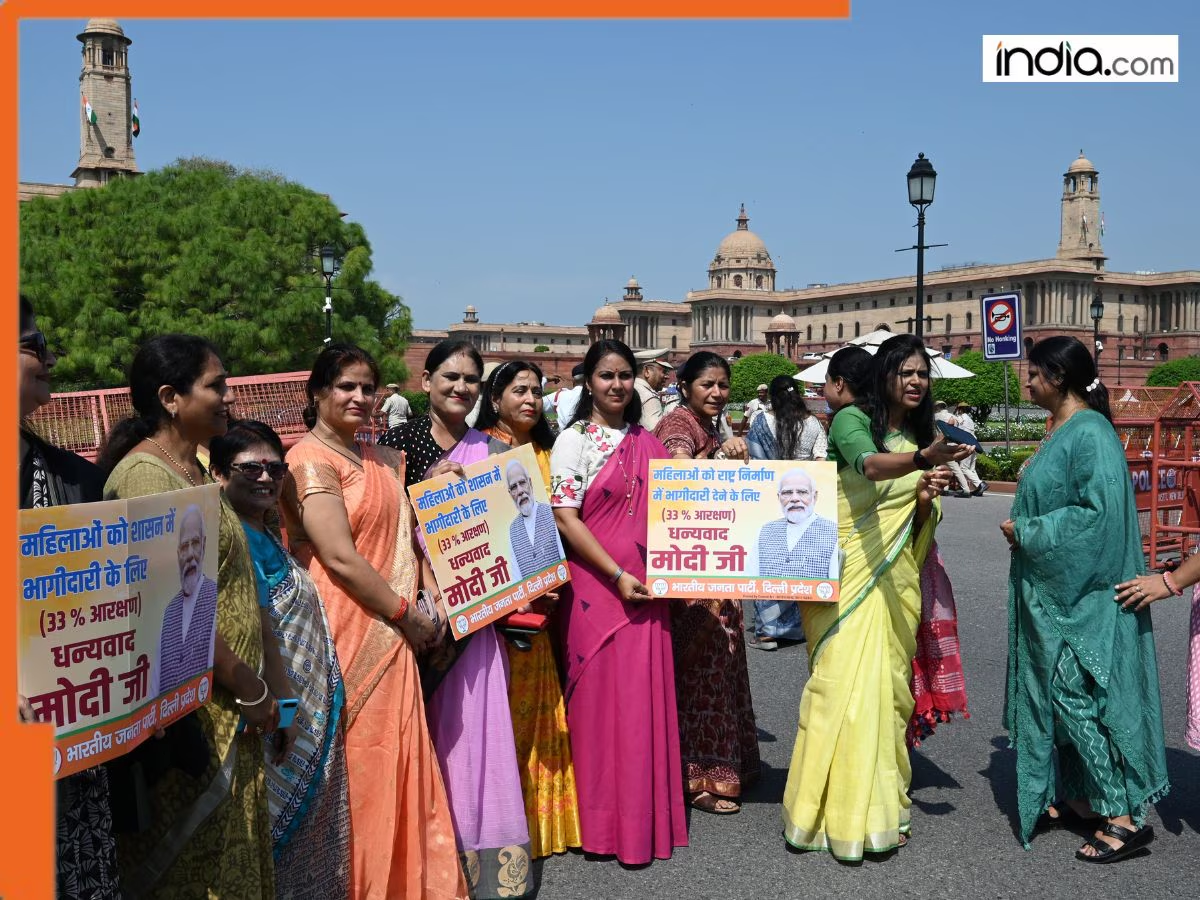
The Centre explains why the Women Reservation Bill was introduced now, releasing FAQs detailing timing, implementation plans, and key provisions amid growing political debate over the legislation.

Published: April 19, 2026 1:32 PM IST
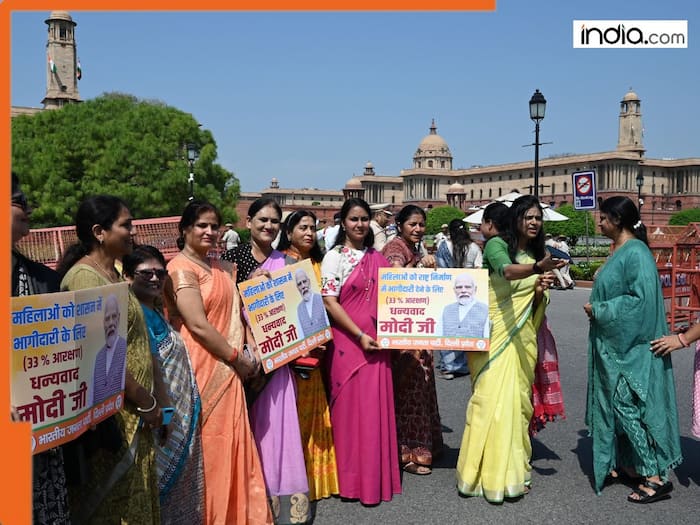
New Delhi: With political wrangling over the Women’s Reservation Bill coming to the fore, the Centre has published an exhaustive list of FAQs seeking to clarify why the Bill has been introduced now and what its provisions are.
Waited Ages to Reach Here, Why Now Will it Work?
Firstly, the government answered criticisms that the Bill had been introduced “out of the blue”. Pointing out that the demand for greater women’s participation in politics has been around for several decades, the Centre stated:
“The question of reservation of seats for women in the Lok Sabha and in the Legislative Assemblies of States has been discussed threadbare for decades.”
Further stating that there has been inadequate representation of women in Parliament and legislatures considering their proportion in the country’s population, officials further said that reforms were needed.

Centre Calls It the ‘Right Time’
The FAQs went on to explain why this is the “right time” to bring about this reform. Officials said that reservation of seats could not be done until the next round of census and delimitation exercises have been carried out since the number of seats would have to be reserved accordingly.
“This Bill seeks to bring about legislative changes well ahead of the next General Elections to the Lok Sabha, after which the quota will come into effect,” they added.
Recent media reports also state that the Centre is working on a mechanism to see the bill comes into effect before the 2029 Lok Sabha polls.
Reservation Bill Provisions Explained
There are certain highlights to the Bill shared in the FAQs.
- Reservation of seats increased from 22% to 33% for women in Parliament and state assemblies
- Reservation will be applicable to seats reserved for SC/ST as well
- There will be rotation of reserved constituencies after each delimitation exercise
- Reservation will not be continuous and will last for a specific period – likely 15 years
Why Reservation Bill Might Take Years to Implement
Arguably, one criticism that the Centre tried to answer was why will women have to wait for the Bill to come into effect. As mentioned above, the seats will be reserved only after the next delimitation exercise when boundaries of Lok Sabha and assembly constituencies are redrawn based on census data.
Opposition parties have criticised the delay tactic, claiming that passing such a historic law and waiting years for it to take effect is diluting the purpose.
Parties Support Reservation Bill but Disagree on Several Counts
The political drama over reservation continues, with most parties backing the sentiment but taking exception to others’ proposals over issues of timing, execution and linkage with delimitation exercise amongst others.
In recent proceedings in Parliament, reservation took center stage with both parties fighting tooth and nail to prove their stand.
What Next?
For now, the Centre maintained that FAQs have been released only to bust myths around the Bill and bring transparency to the legislative initiative.
Political discussions will continue over the next few days but it remains to be seen how soon the center acts on transitioning from legislation to implementation. If done timely and correctly, women’s reservation has the potential to change India’s political demography once and for all.