The bloodshed unleashed by terrorists in the Baisaran Valley of Pahalgam was criticised worldwide. This attack further strengthened India’s zero-tolerance policy against terrorism.

Updated: April 22, 2026 10:27 AM IST
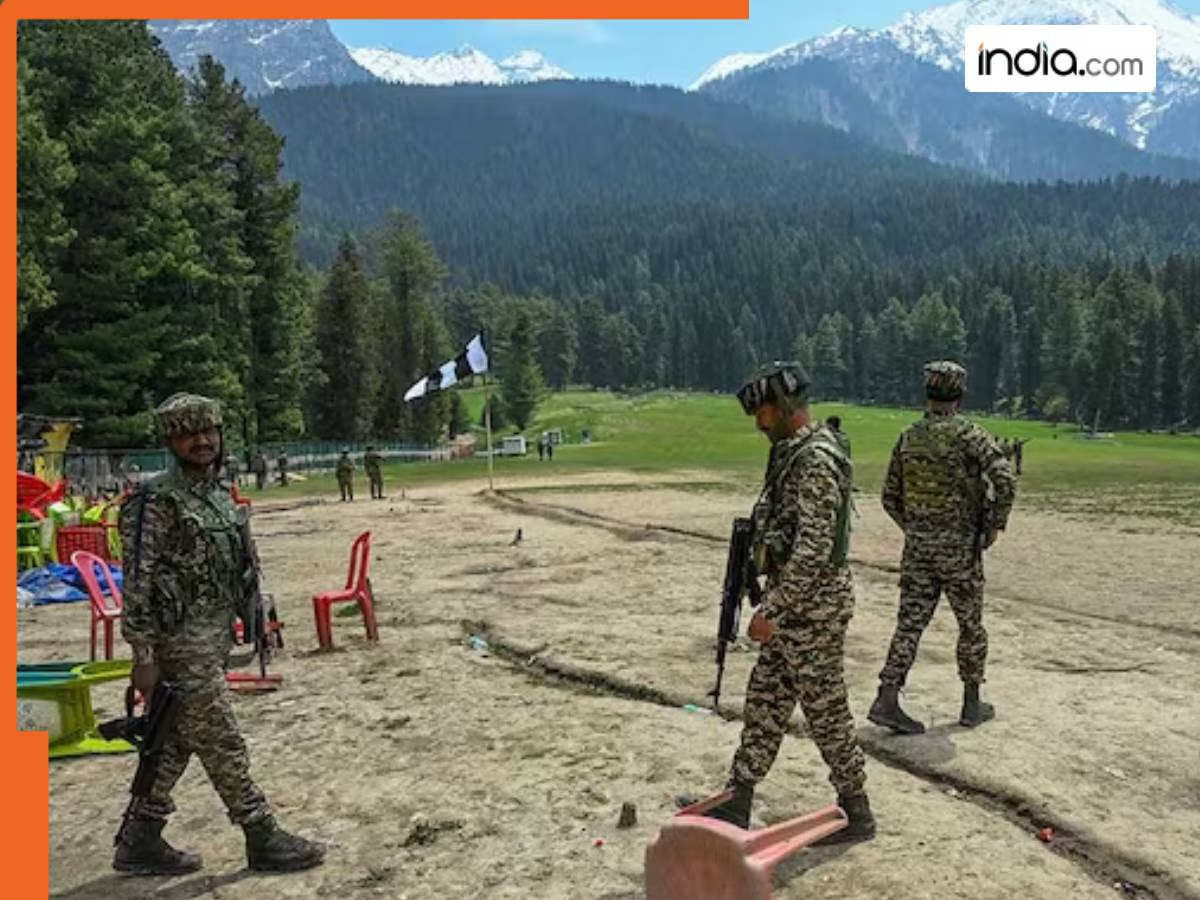
Pahalgam Attack Anniversary: If Jammu and Kashmir is heaven on earth, then the Baisaran Valley of Pahalgam is its heart which is also known as the country’s mini-Switzerland. Exactly one year ago, on April 22, 2025, terrorists attempted to silence this very heartbeat. Pakistan-backed terrorists massacred 25 innocent tourists. A local ponywala, Adil Shah, was also killed in the brutal terrorist attack. This incident stunned the entire nation. It was difficult for millions of people in the country to believe that a place more beautiful than heaven could ever be found.
The Baisaran Valley of Jammu and Kashmir was drenched in blood. India declared revenge for this terrorist attack. Operation Sindoor was then launched on May 7, 2025. Our brave soldiers destroyed numerous terrorist hideouts in Pakistan. Pakistan’s military airbases were targeted and severely damaged. It took months to restore these airbases to flight operations. For the first time in the 21st century, the world witnessed the fierce and aggressive side of a new India.
A ceasefire was declared only after Pakistan’s defeat. Following the Pahalgam attack, India completely overhauled its military doctrine. A year after the attack, the situation in Pahalgam and Jammu and Kashmir is returning to normal. Tourism is also slowly but surely returning. However, some wounds remain fresh. Those who lost their loved ones in this attack are still unable to forget that dark day.
On the first anniversary of the horrific terrorist attack in Pahalgam, the entire nation stands united in grief and resolve. The attack, which took place on April 22, 2025, in the Baisaran Valley, claimed the lives of 26 people (25 tourists and a local, Ponywala Adil Shah). Even a year later, the wounds of this incident remain fresh. While the families of the victims are still grieving their loss, the Indian Army has reiterated its firm stance against terrorism, sending a clear message that when the limits of humanity are crossed, a decisive response is required. A black marble memorial on the banks of the Lidder River in the picturesque hill station of Pahalgam now commemorates the 26 lives lost in this attack. The memorial, inscribed with the names of all the victims, serves not only as a symbol of tribute but also as a symbol of the nation’s collective resolve against terrorism.

Pahalgam attack: What happened and when?
- April 22, 2025: Terrorists attack Pahalgam in Jammu and Kashmir, killing 26 tourists and locals. The attackers targeted people based on their religious identities.
- April 23-24, 2025: The Resistance Front (TRF) immediately claimed responsibility for the attack. India tightened security and strongly condemned Pakistan’s involvement.
- Late April and early May: Frequent clashes and firing incidents occurred between India and Pakistan along the Line of Control (LoC).
- May 6-7, 2025: India launched Operation Sindoor. This included precise, balanced, and non-provocative missile strikes on terrorist targets in Pakistan and PoK, targeting Jaish-e-Mohammed’s Markaz Subhan Allah.
- May 7-8, 2025: In retaliation, Pakistan carried out drone and missile attacks on several military bases including Srinagar, Jammu, Pathankot.
- May 10, 2025: A ceasefire is agreed upon between the two countries, putting an end to the escalating military tensions.
Army’s strong message and ‘Operation Sindoor’
A day before the anniversary of the attack, the Indian Army issued a stern message on social media: “Some lines must never be crossed.” This message prominently mentioned “Operation Sindoor,” the military operation launched by India in response to the attack. Launched in May 2025, this operation saw India launch precision strikes on terrorist bases in Pakistan and Pakistan-occupied Kashmir (PoK).
Multiple targets were targeted in just 25 minutes. According to the government, these strikes killed over 100 terrorists and inflicted significant damage to the terrorist infrastructure. Prime Minister Narendra Modi described the operation as a new form of justice, stating that India would no longer merely react to terrorism but would work to eradicate it. The clear policy of “terror and talks cannot go together” after the Pahalgam attack reflected India’s changed stance.
Major change in anti-terrorism strategy
The Pahalgam attack marked a turning point in India’s counter-terrorism policy. Previously, India had resorted to limited retaliatory action, but now its strategy has become multi-pronged and aggressive. In addition to Operation Sindoor, Operation Mahadev eliminated the terrorists involved in the attack within three months.
In addition, operations like Operation Amrit, Operation Vajra, and Operation Trident launched a comprehensive nationwide crackdown to disrupt terror networks, funding, and infiltration. Thousands of SIM cards were blocked and hundreds of suspects were arrested. Furthermore, India suspended the 1960 Indus Waters Treaty, which had been considered a pillar of stability in India-Pakistan relations for decades. This move made it clear that resources like water could now be used as a strategic weapon.
Solidarity in Kashmir
The scenes witnessed in the Kashmir Valley following the attack were unprecedented. Large numbers of locals took to the streets to protest against terrorism. In many areas, including Doda, people held candlelight vigils and expressed solidarity. Local residents stated that such attacks are not only against humanity but also harm the peace and harmony of Kashmir. They also stated that attempts to create divisions in society through terrorism have always failed.
Pahalgam Attack: This is how military doctrine changed
- Military Precision: Targeted and precise operations against terrorists.
- Sustained Internal Security Pressure: Continuous surveillance and intensified action within the country.
- Zero-Tolerance Political Messaging: A strong and clear government stance against terrorism.
- Hydro-Diplomatic Leverage: A strategy of using water resources to exert diplomatic pressure.
Impact on tourism and signs of recovery
The Pahalgam attack was a major blow to Kashmir’s economy, as tourism is its backbone. For several months after the attack, tourist numbers plummeted, impacting hoteliers, taxi drivers, and local merchants. However, a year later, the situation is slowly returning to normal. Tourists from various parts of the country are again visiting Pahalgam. Many tourists have praised the security arrangements and the hospitality of the locals. They say that it’s not right to succumb to fear, and that experiencing the beauty of Kashmir is every Indian’s dream.
First anniversary: Tight security arrangements
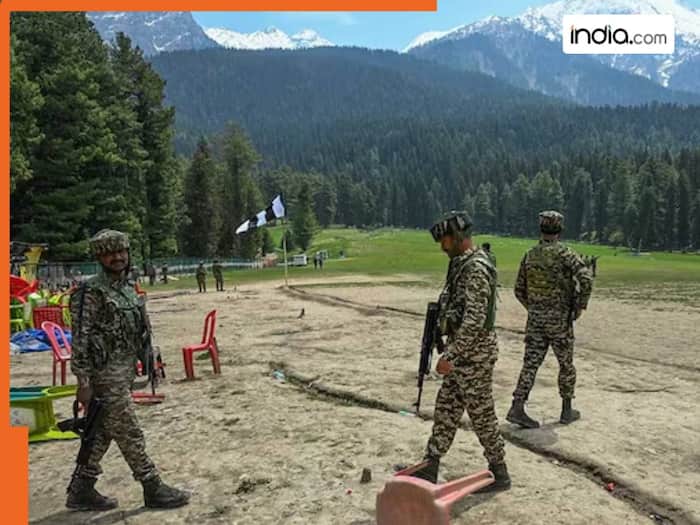
The administration has made tight security arrangements for the Rasi. Additional police and paramilitary forces have been deployed in Pahalgam and surrounding areas. Checking has been increased at several locations and surveillance systems have been strengthened. Leaders, social organisations, victim families, and local representatives are expected to attend the event. The administration says all preparations have been completed to ensure a peaceful event. The Pahalgam attack was not just a terrorist incident; it also impacted the country’s security policy, diplomatic strategy, and social thinking. Even after a year, the pain of the victim families remains unabated, but the country has demonstrated that it will not bow down to terror. Along with mourning, this anniversary also sends a strong message: India neither forgets nor forgives.
Topics