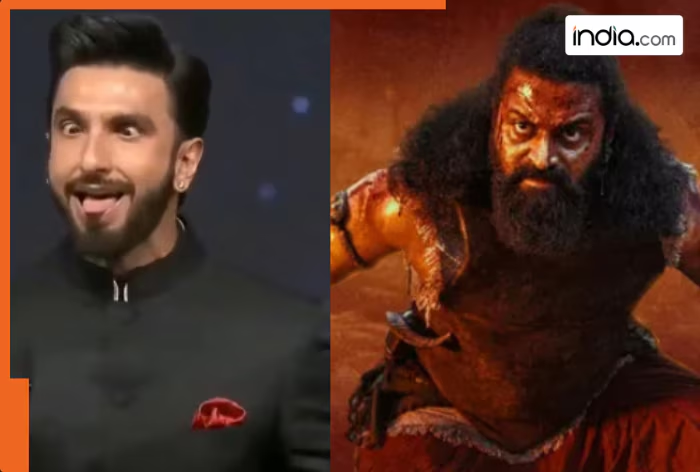
The court proceedings involving Ranveer Singh in the Kantara mimicry matter continue to draw attention as new legal updates emerge, including temporary relief granted by the High Court while it reviews his petition.

Published: April 25, 2026 10:26 PM IST
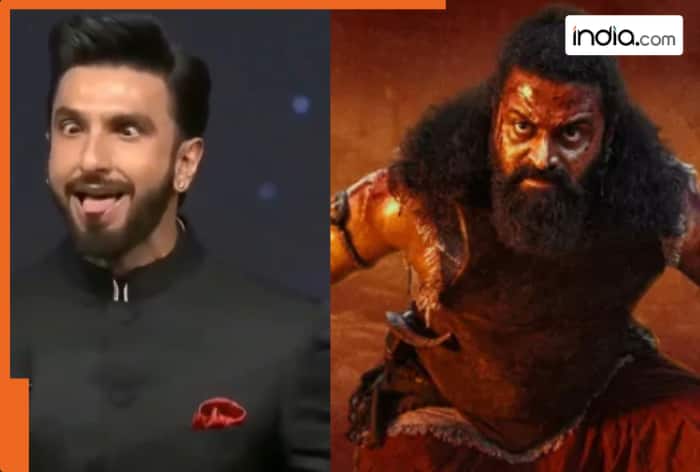
The legal trouble surrounding Ranveer Singh has taken a new turn as the High Court moves closer to deciding his plea in the Kantara mimicry controversy. The case has been under discussion for months and now fresh developments have brought some temporary relief for the actor. While the matter is still under consideration, the court has also addressed an important aspect related to his apology. The situation has drawn attention from both film audiences and those connected with religious sentiments, making it a widely followed issue across the country.
What did the High Court say about Ranveer Singh’s plea?
The Karnataka High Court has indicated that it will soon dispose of the plea filed by Ranveer Singh seeking to quash the FIR registered against him. The bench led by Justice M Nagaprasanna stated that the final order will take into account objections raised regarding the actor’s apology. The court also observed that such matters require careful handling as they involve public sensitivity. At the same time the judge mentioned that the actor’s conduct may require a note of caution while passing the final decision.
Also read: Amid Dhurandhar’s historic run, Ranveer Singh lands into legal trouble over…
Why was an FIR filed in the Kantara mimicry controversy?
The issue began during the International Film Festival of India event in Goa, where Ranveer Singh referred to a character from Kantara while praising actor Rishab Shetty. During his speech, he imitated the character linked to Chavunda Daiva and described it in a way that led to backlash. A complaint was later filed claiming that religious sentiments were hurt. Based on this complaint an FIR was registered which pushed the actor to approach the court seeking relief.

What did Ranveer Singh say in his defence?
Through his legal counsel the actor expressed regret over the incident and submitted an apology before the court. He also assured that he respects cultural and religious beliefs. As part of this apology he agreed to visit the Shree Chamundeshwari Devi Temple to offer prayers. However he mentioned that fixing an exact date was difficult due to work commitments and security concerns which became a point of debate during the hearing.
Why did the court give four weeks time?
The complainant’s side argued that the actor’s statement about visiting the temple was unclear and requested a proper timeline. Responding to this the court decided to record a clear direction. Justice Nagaprasanna stated that while disposing of the matter he would ensure that the actor visits the shrine within four weeks. This move is seen as a way to balance legal process with public sentiment linked to the case.