
A shift in infection patterns across multiple regions is raising concern among health officials as isolated measles clusters begin to appear beyond previously contained areas.

Published: April 30, 2026 7:36 PM IST
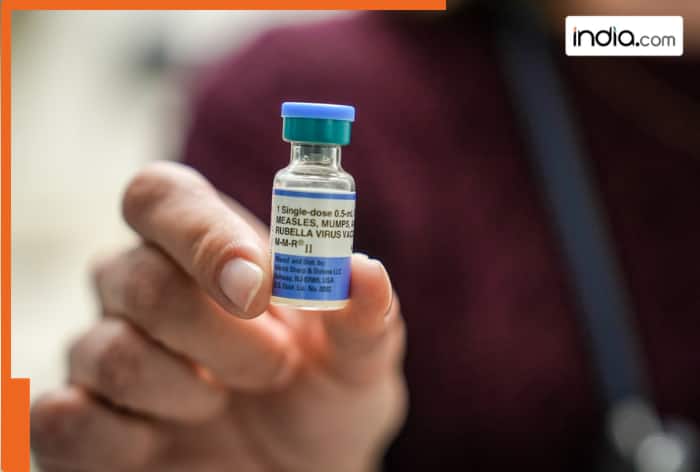
The recent update from South Carolina has brought some relief as health officials confirmed that the measles outbreak has officially ended after weeks of careful monitoring. The state recorded no new cases for 42 consecutive days, which marked the closure of one of the largest outbreaks seen in decades. However, even as this chapter closes, concerns continue to grow across the United States, where new outbreaks are appearing in different regions. Experts believe the situation is far from over and are warning that the disease could spread further if preventive steps are not taken seriously.
Why did measles cases rise in South Carolina?
The outbreak in South Carolina began last October and lasted for nearly six months, infecting 997 people. Most of the cases were reported among unvaccinated children and at least 21 individuals required hospital care. According to Edward Simmer, the spread was largely limited to the northwest region due to quick response measures like contact tracing and isolation. Brannon Traxler also noted that while many infections were mild, some turned serious with life-threatening complications.
Also read: Rising measles cases threaten U.S. elimination status, here’s what health experts are warning
What role did vaccination rates play?
Health officials pointed out that lower vaccination coverage was a major factor. In Spartanburg County, many schools had vaccination rates below the recommended 95 percent level, which allowed the virus to spread easily. Martha Edwards shared that the outbreak pushed many hesitant families to finally get their children vaccinated after seeing the real impact of the disease. Even now pockets of unvaccinated individuals remain, which means the risk has not fully disappeared.

Why are cases increasing across the United States?
Despite the end of the outbreak in one state more than 20 outbreaks have been reported across the United States this year. States like Texas, Florida and Utah have each recorded over 100 cases. National vaccination coverage has dropped to around 92.5 percent among kindergarten children which is below the safe threshold. Health experts warn that even a small gap in immunity can allow measles to spread quickly since it is one of the most contagious diseases.
How serious is measles as a disease?
Measles can lead to severe complications such as pneumonia brain swelling and long term immune damage. In some cases it can even be fatal especially for young children. Doctors also highlight a condition known as immune amnesia where the virus weakens the immune system for years making children more vulnerable to other infections.