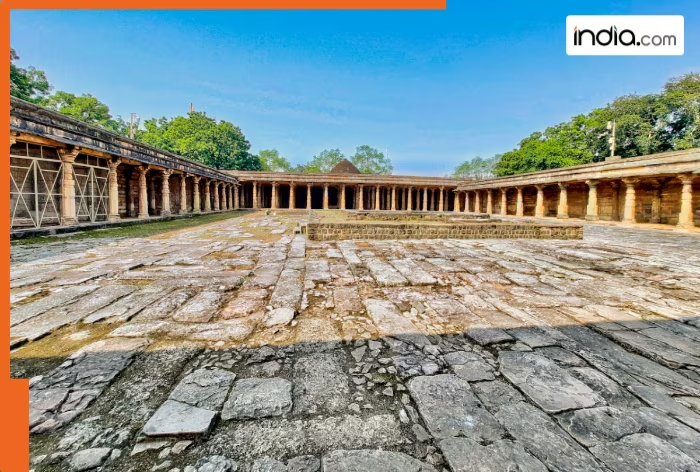
In its judgment, the court declared the eleventh-century monument to be a temple dedicated to Goddess Saraswati and placed its administration under the discretion of the Central Government and the Archaeological Survey of India.

Published: May 15, 2026 9:07 PM IST
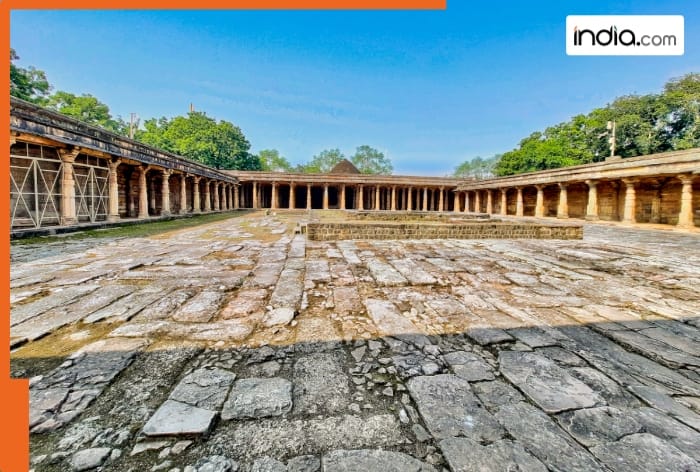
New Delhi: In a big development, the Indore Bench of the Madhya Pradesh High Court on Friday, ruling in favour of the Hindu side, accepted the findings of the Archaeological Survey of India (ASI) in the Dhar Bhojshala temple case, and declared the site to be a Hindu temple. The verdict of the Madhya Pradesh High Court has been received with contrary responses by both the Hindu and Muslim sides.
Hindu Side Files Caveat Petition In Supreme Court
Immediately after the verdict was pronounced, the Hindu side moved swiftly to secure its legal standing. On Friday, a caveat petition was filed in the Supreme Court of India by Jitendra Singh Vishen through his counsel, Advocate Barun Kumar Sinha.
According to the petition, the Supreme Court has been formally requested to refrain from passing any ex parte orders on potential appeals against the High Court’s verdict without first granting a hearing to the Hindu side. This proactive legal step ensures that the Hindu petitioners are notified and heard before the Supreme Court considers any stay or interim order.
Muslim Side Might Challenge The Ruling
In contrast, the Muslim side has expressed its intent to challenge the ruling as Dhar City Qazi Wakar Sadiq stated that they would carefully review the Archaeological Survey of India report before approaching the Supreme Court.

He noted that several objections raised during the survey process would form the basis of their legal challenge, arguing that judicial precedents suggest an archaeological report should not be the sole basis for a final verdict.
Meanwhile, the Hindu community has hailed the High Court’s Friday verdict as a historic victory.
Bench Sets Aside April 7, 2003, Administrative Order
In its judgment, the court declared the eleventh-century monument to be a temple dedicated to Goddess Saraswati and placed its administration under the discretion of the Central Government and the Archaeological Survey of India.
Crucially, the bench set aside the April 7, 2003, administrative order that had allowed the Muslim community to offer Friday prayers at the site. The court suggested that the Muslim side, which identifies the structure as the Kamal Maula Mosque, could approach the state government for a separate allotment of land in Dhar for the mosque’s construction.
The News Triggered Widespread Celebrations Across Dhar
Members of the Bhoj Utsav Samiti and thousands of devotees gathered at the “Akhand Jyoti Temple”, where the atmosphere was filled with religious chants and the distribution of sweets. Women gathered in large numbers to perform special prayers and light lamps as a gesture of gratitude to Goddess Vagdevi. For many, the verdict represents the culmination of decades of patience and struggle to restore what they believe is the site’s original glory.
(With IANS inputs)