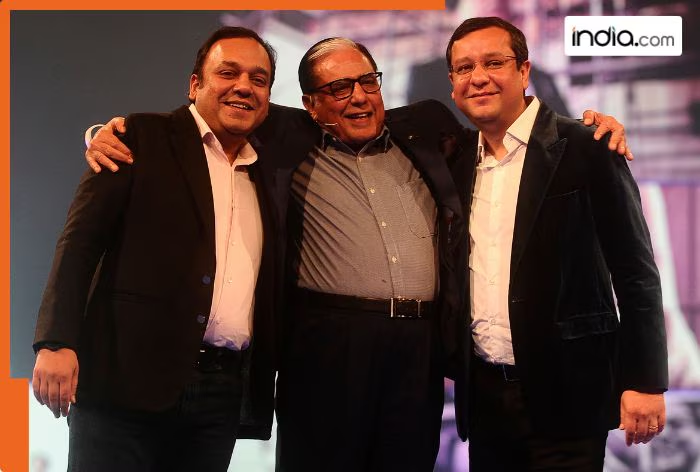
Essel has created an impressive track record of value creation over 10 decades in all businesses. The group companies strive to bring the latest innovations and the best value offerings to all the consumers in a quest to deliver the best in class.

Updated: May 21, 2026 9:01 AM IST
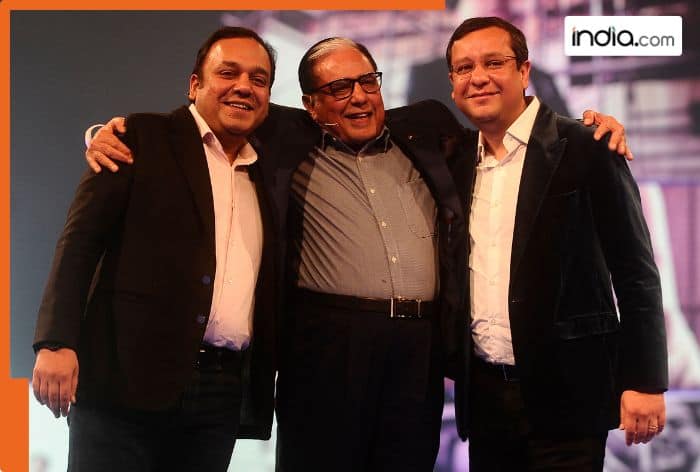
New Delhi: India’s leading multi-million-dollar business conglomerate, the Essel Group, is celebrating 100 years of innovation, leadership, growth, and transformation. A century ago, in 1926, when the nation’s agricultural development was gaining momentum, Essel Group began its journey with food grain trading. Over the past ten decades, Essel Group has evolved into a multi-million-dollar business conglomerate with a diverse presence across media, entertainment, packaging, real estate, infrastructure, education, finance, precious metals, and technology sectors.
Essel has created an impressive track record of value creation over 10 decades in all businesses. The group companies strive to bring the latest innovations and the best value offerings to all the consumers in a quest to deliver the best in class. With worldwide operations and a workforce of over 40000 employees, Essel Group is growing in strength day by day.
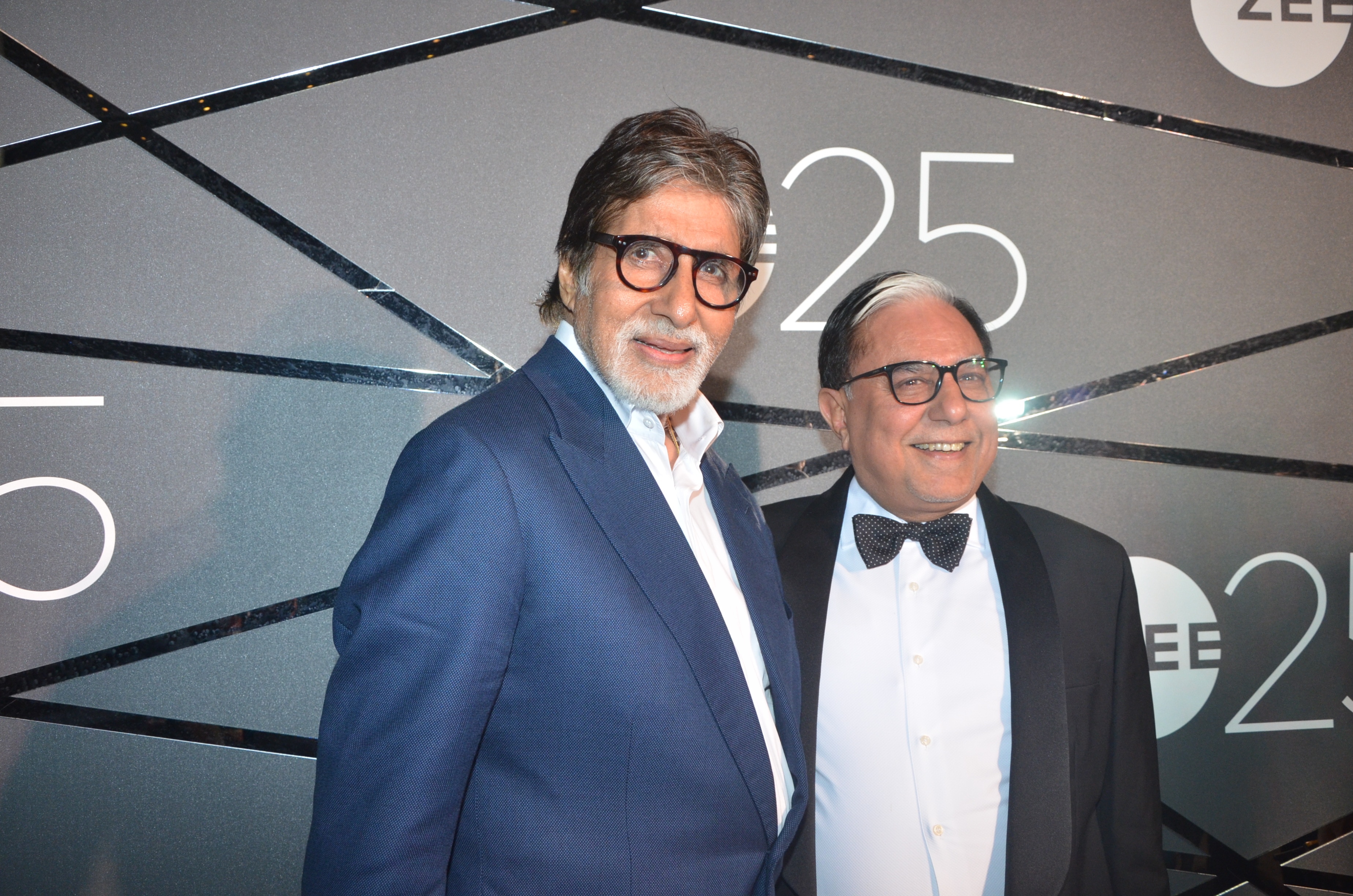
Essel Group’s Journey Over The Years:
1941: Jagannath Goenka shifted his business from Adampur to Hisar, Haryana, to explore better opportunities.

1946: The Okara Dukaan shut down, and Nandkishore Goenka (father of Dr. Subhash Chandra) joined the family business at the age of 16 and took significant steps forward.
1948: Jagannath Goenka moved to Delhi, purchased land at Motiakhan, and established a factory producing polished pulses.
1951: A new and profitable unit in Hisar began supplying polished gram to Gujarat and southern states.
1969: Messrs Ramgopal Indraprasad was renamed Subhash Chandra Laxmi Narain (SL).
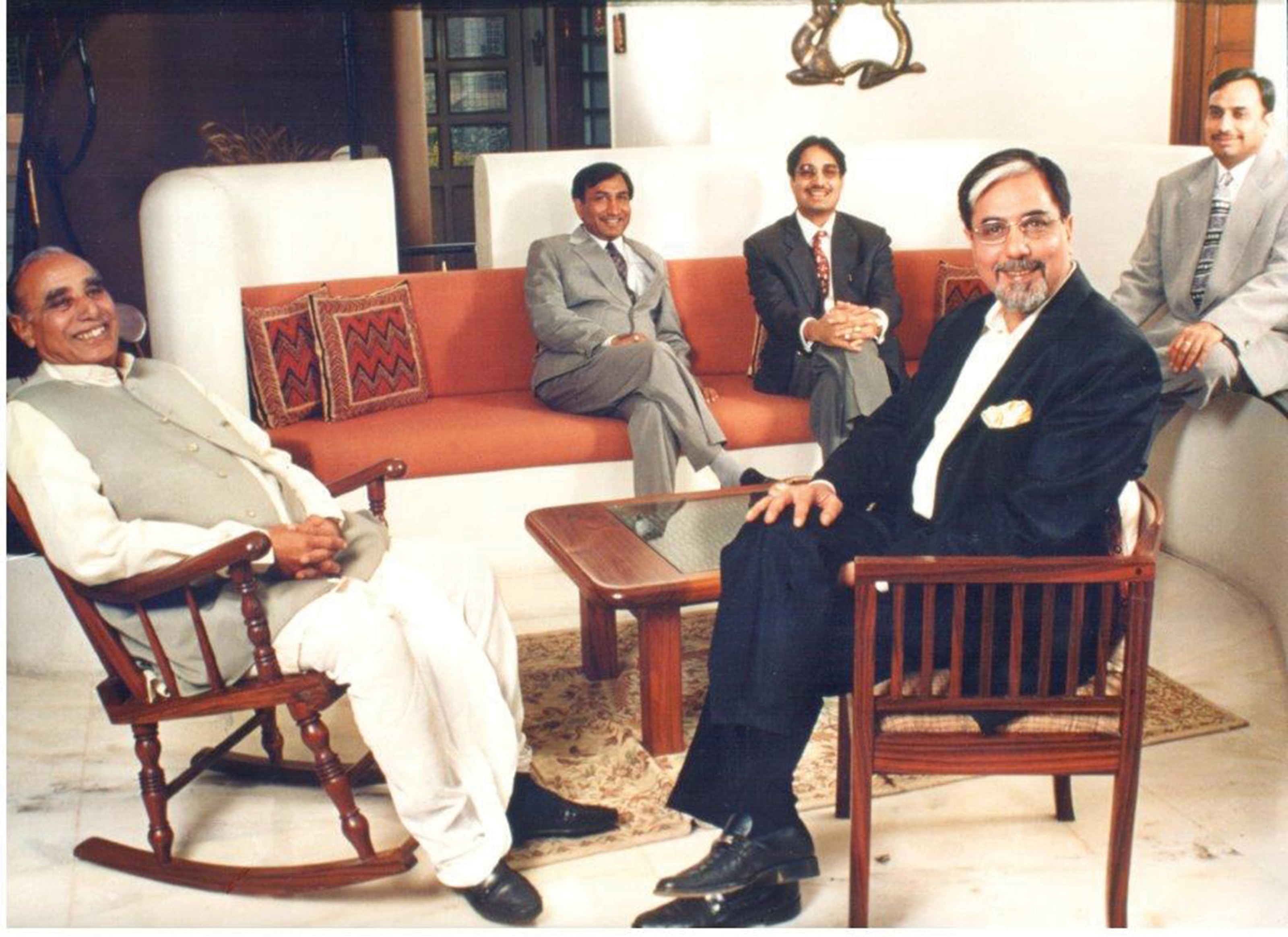
1970: At the age of 20, Dr. Subhash Chandra moved to Delhi with only Rs. 17 and a suitcase full of dreams.
1971: Dr. Subhash Chandra leased a dal mill in Delhi, marking a shift from agriculture to industrial ventures.
1976: The company was renamed Essel Group of Industries.
1981: Dr. Subhash Chandra introduced laminated plastic tube technology in India and launched Essel
Propack Limited, which later became one of the world’s largest tube manufacturers, producing over 8 billion tubes annually.
1990: Essel World, Asia’s largest amusement park at the time, was launched in Mumbai.
1992: Zee TV, India’s first Hindi entertainment channel, was launched, laying the foundation for
India’s satellite television industry.
1995: Zee News, India’s first privately owned 24-hour news channel, was launched.
1995: Zee Entertainment expanded globally with the launch of Zee TV UK.
2001: Shipur Refinery, India’s first and Asia’s largest gold refinery, was launched.
2001: Playwin Lottery, India’s first lottery platform to allow online ticket sales, was launched.
2004: Dish TV, now Asia’s largest DTH network, was launched.
2005: DNA (Daily News & Analysis), a leading English broadsheet daily newspaper, was launched.
2005: E-City Bioscope Entertainment Pvt. Ltd., a multiplex cinema chain, and SITI Energy Ltd. were
launched.
2007: Essel Infraprojects Ltd., India’s only integrated utilities company, was launched.
2013: Essel Finance Management LLP, a customer-centric financial services firm, was incorporated.
2015: Essel Group entered the housing sector through ASHA 2022, aiming to provide a home for every Indian.
2016: Essel Group completed 90 years of its journey.
Kidzee: Launched as Asia’s largest preschool chain, impacting the lives of over 400,000 children.
Living Entertainment Enterprises Private Limited: Incorporated as part of the group’s expansion into entertainment ventures.
How Essel Group Transformed the Indian Television Landscape:
Before liberalization, Indian television was widely tightly regulated, uniform, and limited in both content diversity and regional representation. Essel Group’s entry changed this landscape by introducing a commercially driven model that relied on advertising revenue, audience segmentation, and diverse programming.
The meteoric success of Zee TV demonstrated the viability of private broadcasting in India and triggered a wave of new entrants in both news and entertainment segments. With time and over the years, this expanded into a larger network under Zee Entertainment Enterprises, which built a wide portfolio of general entertainment, news, and regional language channels.