Air pollution in the Delhi-NCR becomes a severe public health challenge, particularly during winter months.
Published: June 4, 2026, 10:40 AM IST
Share Article
https://www.india.com/news/india/ncr-vehicle-owners-alert-no-puc-certificate-no-petrol-diesel-fuel-from-this-date-october-1-these-8-districts-to-be-affected-check-charges-how-to-apply-gautam-buddh-nagar-ghaziabad-hapur-bulandshahr-8435705/
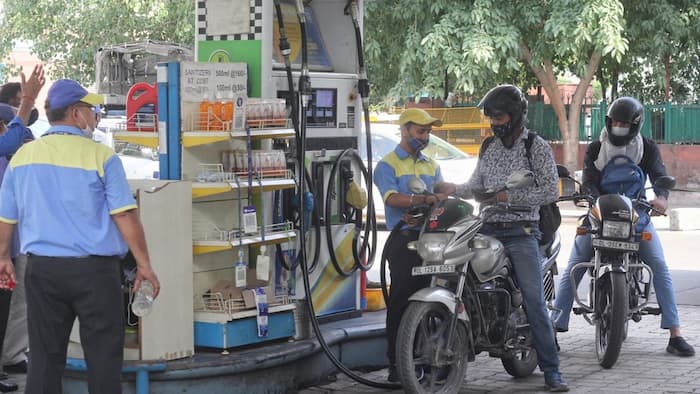
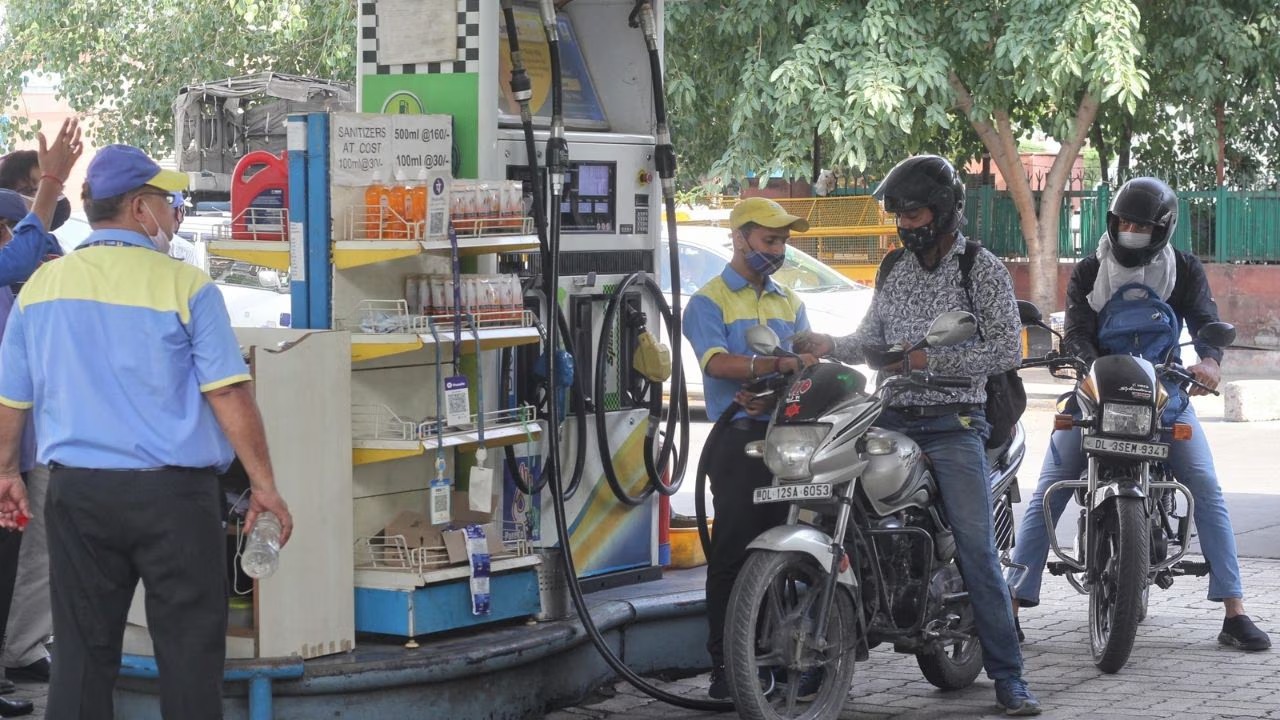
No PUC certificate, no fuel from Oct 1; UP targets 35 pc pollution cut in 2026 in NCR districts(Photo Credit: Representational Image)
Lucknow: As part of measures to curb air pollution, the Uttar Pradesh government has taken a significant decision. From October 1, vehicles without a valid Pollution Under Control Certificate (PUCC) will not be provided fuel at petrol pumps in NCR districts in Uttar Pradesh. The announcement was made by the Chief Secretary S P Goyal on Wednesday.
Eight districts of Uttar Pradesh, such as Gautam Buddh Nagar, Ghaziabad, Hapur, Bulandshahr, Meerut, Muzaffarnagar, Baghpat, and Shamli, are part of the National Capital Region (NCR), which also comprises districts from Haryana, Rajasthan, and the entire Delhi.
Chairing a high-level review meeting on air pollution control and improvement of air quality in the NCR, Chief Secretary S P Goyal stated the UP government has set a target of reducing air pollution levels in the NCR region by 30-35 per cent during 2026. Furthermore, he stated that all departments concerned to ensure coordinated and effective action for controlling pollution and improving air quality in the Delhi-NCR region.
As per an official statement, the Chief Secretary stated, “The participation of citizens should also be ensured by creating awareness among them.”As per the PTI report, the meeting reviewed ongoing measures and future action plans related to vehicle emissions, industrial pollution, road dust, construction and demolition waste management, expansion of green cover and stubble management.
Under the “No PUCC, No Fuel” system, automatic number plate recognition (ANPR) cameras will be installed at 1,041 petrol pumps across NCR districts, it said, PTI reported. The government is also working to phase out old and polluting vehicles and promote BS-VI, CNG and electric vehicles under the “Naya Safar” scheme.
According to the statement, around 26.19 lakh end-of-life vehicles have been identified in NCR districts, of which 37,156 were scrapped and 460 seized between January and April 2026. To promote clean public transport, a target has been set to operate 975 electric buses in Ghaziabad, Noida, Greater Noida and Meerut. At present, 100 e-buses are operational in these cities, it stated.
Air pollution in the Delhi-NCR becomes a severe public health challenge, particularly during winter months.
Which districts will be covered under the New Rule?
Eight districts of UP — Gautam Buddh Nagar, Ghaziabad, Hapur, Bulandshahr, Meerut, Muzaffarnagar, Baghpat and Shamli — are part of the National Capital Region (NCR), which also comprises districts from Haryana, Rajasthan and entire Delhi. The cost of obtaining a Pollution Under Control (PUC) certificate varies depending on the type of vehicle. Generally, vehicle owners are required to pay:
- Petrol two-wheelers: Rs 50–Rs 70
- Three-wheelers: Rs 70–Rs 100
- Petrol cars: Rs 90–Rs 120
- Diesel/CNG/LPG cars: Rs 100–Rs 150
Check the step-by-step guide to obtain a PUC Certificate.
In this article, we have provided you with a step-by-step guide to access the PUC Certificate.
- Go to an authorised pollution testing centre that is located near your home or at the petrol pumps.
- Soon, a technician will insert a probe into the vehicle’s exhaust pipe to measure emission levels.
- The test checks pollutants such as carbon monoxide (CO), hydrocarbons (HC) and other harmful gases.
- If the vehicle meets the prescribed emission standards, a PUC certificate is issued immediately.
- The entire testing process usually takes only 5 to 10 minutes to complete.
- Vehicle owners are advised to keep their PUC certificates valid and renewed on time to avoid any inconvenience once the new rule comes into force.