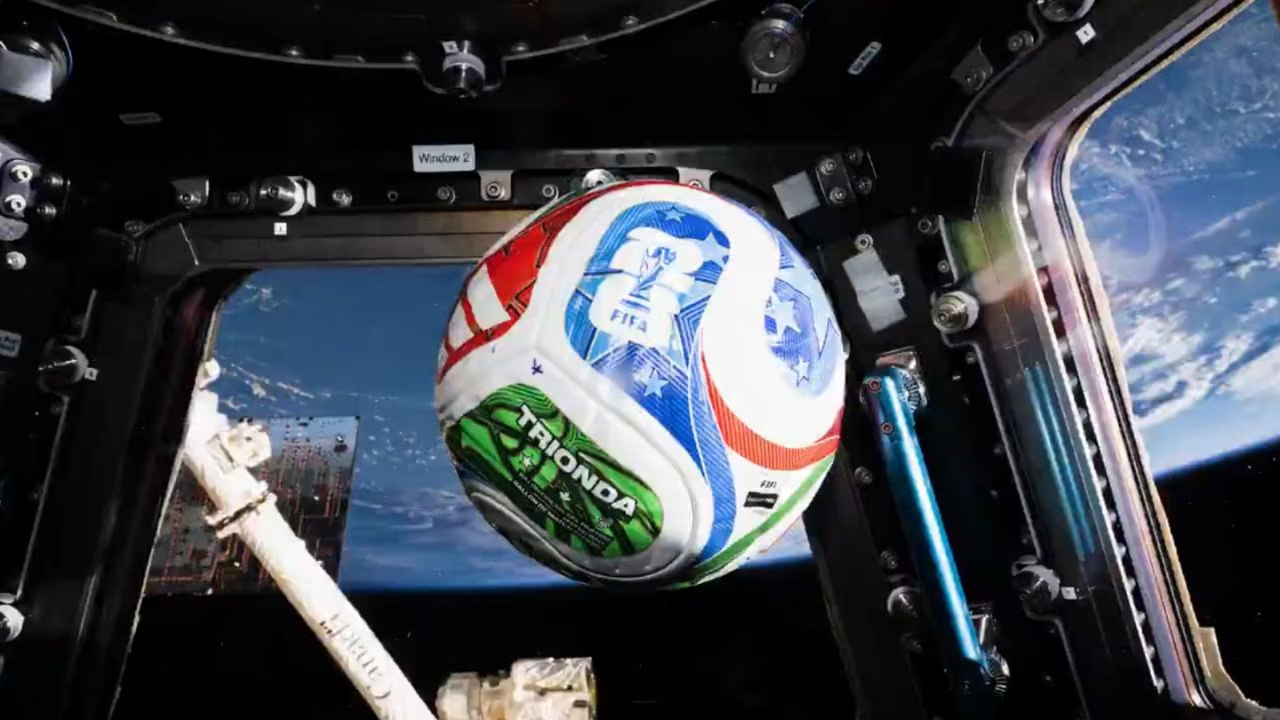
In a first, the official match ball for the 2026 FIFA World Cup named “Trionda” has reached space. Astronauts aboard the International Space Station are using the ball to conduct experiments focused on football dynamics and how the ball will perform in microgravity. The first-ever 48-team tournament has entered its second week across the United States of America, Mexico and Canada.
NASA shared details of the project on Instagram, explaining that the ISS crew recreated a 2019 study using the Adidas-made football. The main goal of the experiment is to examine how a ball’s balance and center of mass affect its overall movement. Sports engineers regularly measure and tweak these factors to ensure the ball behaves predictably when players kick it on the field.
By testing the ball in space, the crew could easily see the direct effects of good and bad balance without gravity interfering. The results are helping researchers understand how built-in technology like tracking sensors alters the ball’s performance. NASA noted that helping improve soccer is just one example of how space station science directly benefits people on Earth.
The Trionda ball itself features several unique design elements. Developed by Adidas, the name comes from the Spanish phrase for three waves which highlights the three countries – USA, Mexico, and Canada, co-hosting the FIFA World Cup 2026.
The ball is made using a unique four-panel design with deep seams to improve stability in the air along with an embossed surface to provide extra grip when the pitch is wet.
Also Read: Paraguay’s Miguel Almiron sent off due to THIS new rule – Know all about it
“This year, the ISS crew recreated a 2019 experiment with the Adidas 2026 Trionda to show the effect of good and bad balance in footballs. The findings from these experiments have improved our understanding of how embedded tech, like match-ball sensors, can influence ball performance during play. Helping to improve the beautiful game is just one of the ways NASA science done on the International Space Station makes life better for people on earth,” NASA wrote on their latest Instagram post.
Interestingly, the ball features connected-ball technology.It holds an internal 500Hz motion sensor chip that sends instant movement data to the Video Assistant Referee team upstairs. This allows match officials to make faster, highly accurate decisions regarding close offside calls and other critical moments during games.
How to watch and stream FIFA World Cup 2026 in India
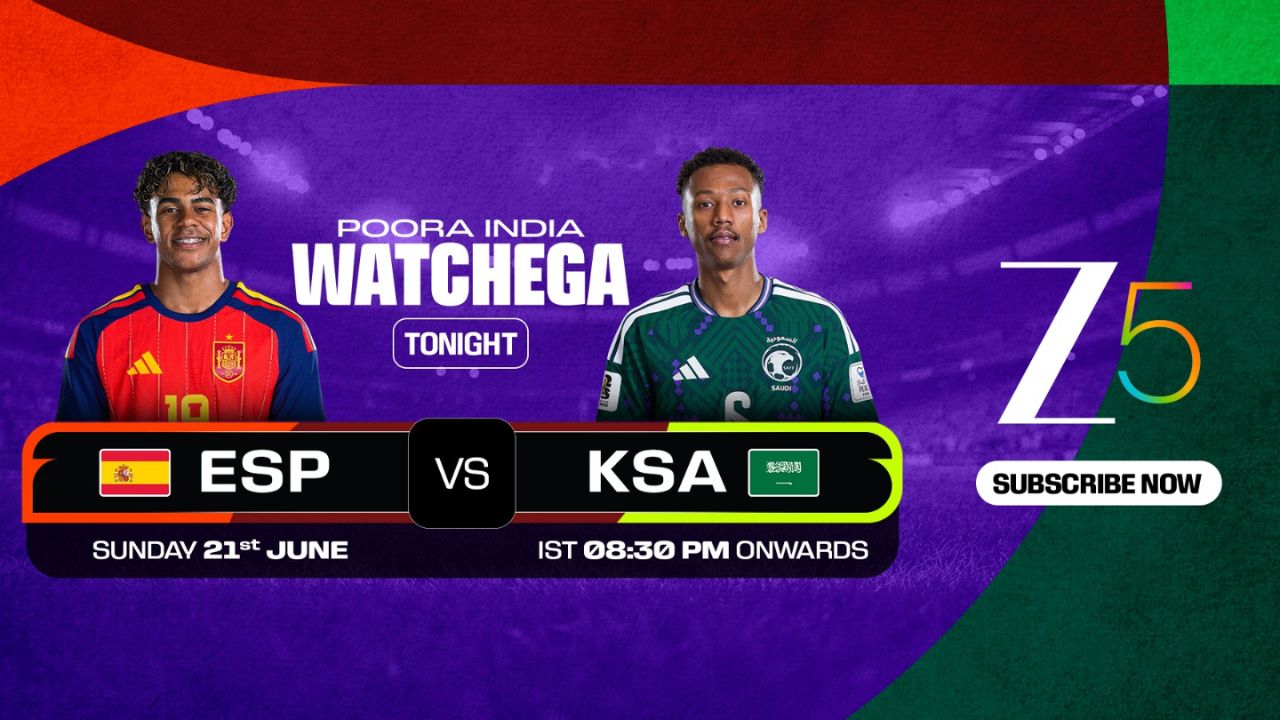
Multiple group-stage matches that will take place simultaneously will be aired across Zee5 app and website.