A comprehensive 3D map of the Kedarnath Ropeway corridor has been created using LiDAR technology, signalling significant progress on the project. The ropeway is expected to transform the pilgrimage experience by cutting the journey from Sonprayag to Kedarnath to just 30–40 minutes.
Published: June 25, 2026, 6:02 PM IST
Share Article
https://www.india.com/news/india/kedarnath-ropeway-project-sonprayag-to-kedarnath-in-40-minutes-lidar-technology-key-features-8457249/
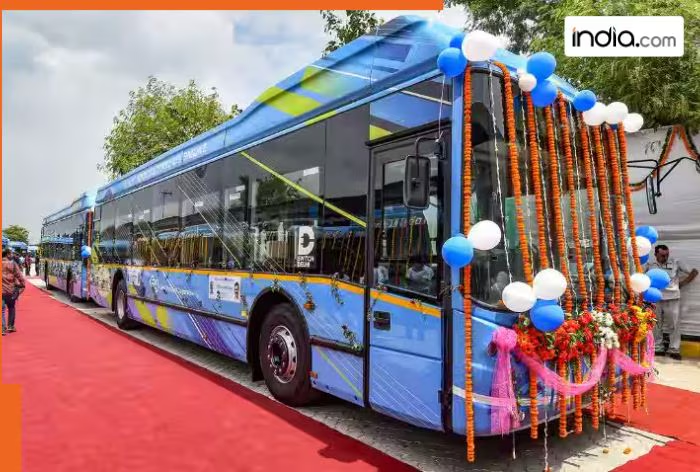
Ropeway to be operated in Kedarnath to cut travel time by 40 minutes. Representational image
The annual pilgrimage to Kedarnath remains a demanding journey for millions of devotees, particularly when bad weather and road blockages disrupt travel. In a significant step forward, a 3D digital map of the entire project area has now been prepared for the proposed Kedarnath Ropeway.
The milestone suggests that the project is progressing rapidly and could soon become a reality. The ropeway is expected to greatly reduce travel time between Sonprayag and Kedarnath, making the pilgrimage more accessible and comfortable.
How was the 3D map prepared?
Advanced LiDAR technology played a key role in the ropeway survey, enabling detailed digital mapping of the Himalayan terrain. Laser beams emitted from helicopters captured information on the region’s topography, including mountain heights, gradients, valleys and rocky escarpments. The exercise also identified landslide-prone zones, allowing engineers to create a precise 3D model and plan the safest alignment for the ropeway.
Also Read | Char Dham Yatra 2026: When will Kedarnath and Badrinath open for public?
Strength of ground also tested
Work on the project extended beyond mapping from the air. Detailed geotechnical investigations, including deep drilling and the collection of soil and rock samples, were conducted at several locations to determine where ropeway towers could be safely installed. Surveys for the planned stations at Sonprayag and Gaurikund have also been finalised.
The proposed ropeway has the potential to transform travel to Kedarnath. What currently involves a long and physically demanding journey through the mountains could be reduced to a 30- to 40-minute ride. The faster connection is expected to make the pilgrimage more accessible, especially for senior citizens, children and people with mobility challenges, while also helping authorities manage crowds more effectively.
Kedarnath Yatra creates history as over 13 lakh devotees visit in 63 days
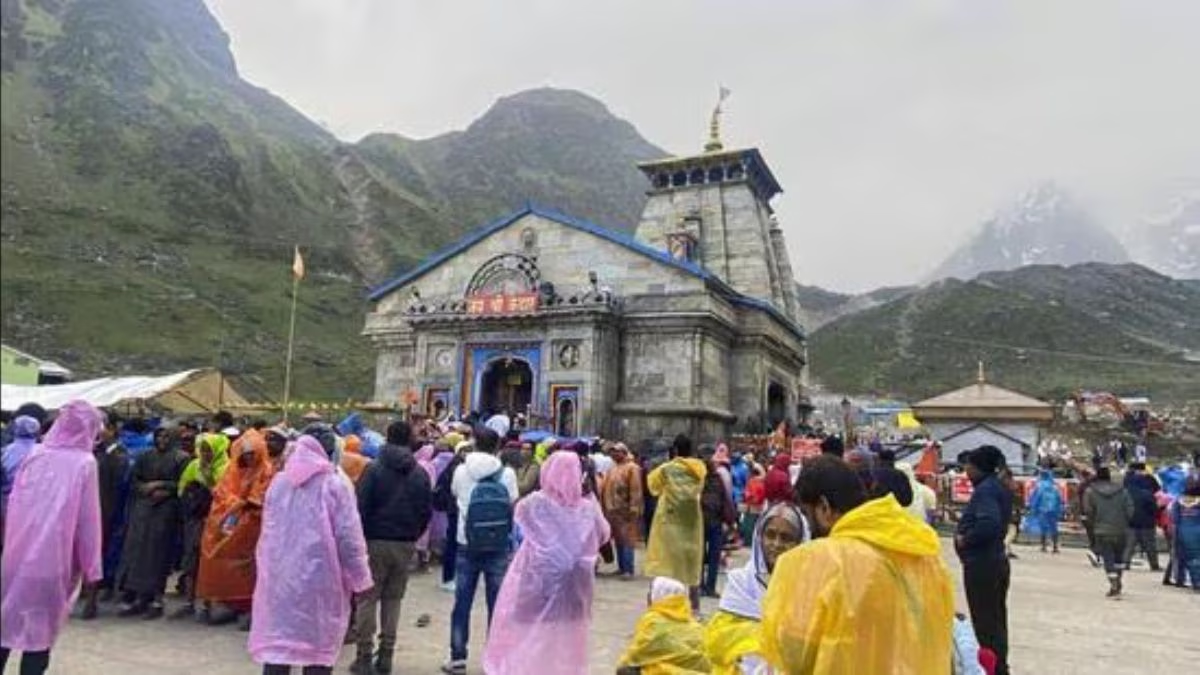
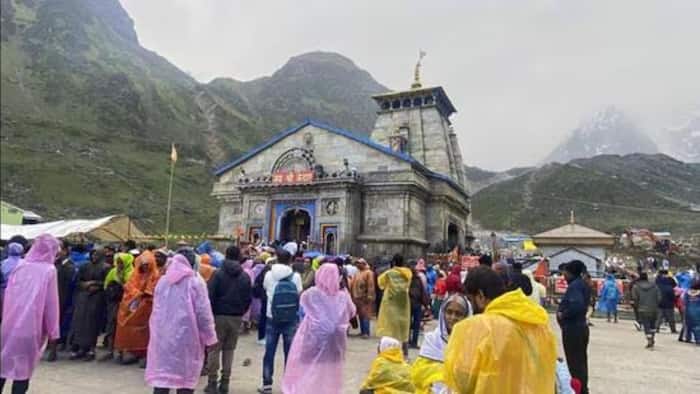
Kedarnath Dham has already welcomed over 13 lakh devotees this year during the first 63 days of the pilgrimage season. But as monsoon rains set in, the number of visitors has fallen, with daily pilgrim arrivals now hovering between 7,000 and 8,000.
When the doors of Kedarnath Dham opened on April 22, a record-breaking 38,000 devotees arrived for darshan. According to officials, this was the largest single-day turnout ever recorded during the Kedarnath pilgrimage.
Also Read | Char Dham Yatra picks up pace with massive influx of devotees as portals of Kedarnath Dham open
Tourism stakeholders are expecting travel activity to rebound in September, as improved weather conditions after the monsoon are likely to attract more visitors.
PM Modi calls Kedarnath Yatra a divine celebration of faith
As the doors of Kedarnath Temple reopened on Wednesday, Prime Minister Narendra Modi extended his wishes to devotees and welcomed the beginning of this year’s pilgrimage season in Uttarakhand.
In a letter addressed to pilgrims on X, the Prime Minister described the journey to Kedarnath and the broader Char Dham Yatra as a “divine celebration of faith, unity, and rich traditions.”
PM Modi said, “On the sacred land of Devbhoomi Uttarakhand, the doors of Shri Kedarnath Dham have been opened with full rites and rituals. This journey is a reflection of India’s eternal culture.”
The Prime Minister emphasised the enduring spiritual value of the Char Dham circuit, which includes Badrinath, Kedarnath, Gangotri and Yamunotri. He said these revered shrines embody India’s centuries-old spiritual traditions and cultural heritage.