
Hepatitis is an inflammation of the liver caused by viruses, alcohol, certain medicines, toxins, or autoimmune conditions. Read about common Hepatitis myths and misconceptions that can risk your life.
Updated: July 28, 2026, 12:58 PM IST
Share Article
https://www.india.com/health/world-hepatitis-day-2026-common-myths-about-hepatitis-explained-touching-sharing-food-consuming-alcohol-8486145/

Hepatitis myths (PC: Magnific)
Can you get hepatitis by simply sharing a meal with someone? Is every type of Hepatitis lifelong? And do only people with symptoms need to worry about it? These are just a few of the questions that continue to confuse people, even though hepatitis affects millions worldwide. Hepatitis is a common health condition that affects the liver and can be caused by viruses, alcohol use, certain medications, and other factors. Misinformation often creates unnecessary fear and stigma, making it harder for people to seek timely testing and treatment. On World Hepatitis Day 2026, we spoke to Dr Mohnish Kataria, Senior Consultant – Gastroenterology, Paras Health Panchkula, who explained that many of the beliefs surrounding Hepatitis are either outdated or completely false. He says understanding the facts is the first step towards protecting yourself and your loved ones, as early diagnosis and awareness can make a significant difference. The World Health Organization’s 2026 campaign also highlights the need to break down barriers to testing and treatment. Here are some common myths about hepatitis and the facts that help clear up these misunderstandings.
Myth 1: Hepatitis only affects people who consume alcohol
One common thing people misunderstand is that hepatitis is something that happens from drinking too much alcohol. Dr Mohnish Kataria explains, “Alcohol can indeed hurt your liver, but viral hepatitis, that comes from hepatitis viruses A, B, C, D, and E. These particular infections spread through contaminated food or water, or through blood that is infected, also unsafe injections, or having sexual contact wi͏thout protection, and a mother can pass it to her child when the baby is born. All of this depends on what type of virus it is.”
Read more:
World Hepatitis Day 2026: Why Hepatitis B screening during pregnancy is important, expert explains
This sort of misunderstanding often leads people to feel ashamed and stops them from going to a doctor when they should.
Myth 2: Hepatitis spreads through casual contact
One of the biggest misconceptions is that you can catch hepatitis by shaking hands, hugging, sharing food, or sitting next to an infected person. Dr Mohnish Kataria says, “It is important to know that Hepatitis B and C do not actually spread through casual social contact. Instead, these viruses need someone to be exposed to infected blood or, in some cases, specific bodily fluids. However, personal items, things like razors and toothbrushes and nail clippers, should never be s͏hared. The reason for this is that they often carry microscopic amounts of blood.”
Spreading such myths only increases stigma and discourages people from seeking help.
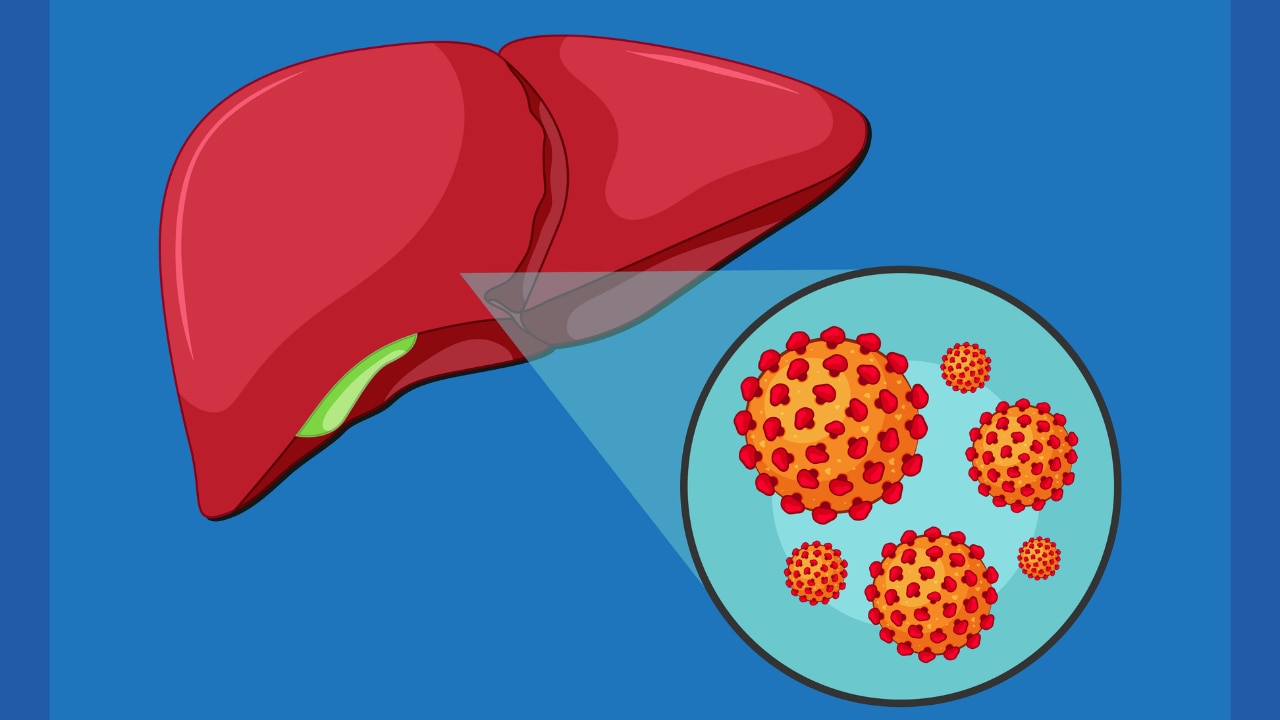
Hepatitis B (PC: Magnific)
Myth 3: No symptoms mean there is no infection
Various types of hepatitis can remain dormant for several years. A person can have an infection even if they do not show any visible symptoms. Many infections remain silent or have mild signs that are easy to overlook, allowing them to spread unknowingly. The expert says, “Hepatitis B and C can cause gradual liver damage without generating conspicuous symptoms to the patient until the illness has reached an advanced stage. Waiting for jaundice and other severe symptoms to show up before an individual seeks medical assistance may lead to neglecting treatment in the early stages of the illness.”
Regular testing and medical check-ups are important, especially for infections that can be transmitted without symptoms. Absence of symptoms does not always mean the body is free from infection.
Myth 4: Hepatitis cannot be treated/ prevented
According to Dr Kataria, prevention is very much possible. Safe hygiene practices, avoiding exposure to infected blood, using sterile medical equipment and getting vaccinated against Hepatitis A and B can significantly reduce the risk of infection. Dr Mohnish Kataria highlights, “Hepatitis A and E tend to resolve with supportive care, while modern antivirals play an effective role in the management of hepatitis B and in most hepatitis C cases.”
Vaccination remains one of the most effective tools in preventing Hepatitis B and its long-term complications.
Make sure to consult a qualified healthcare professional for proper diagnosis and treatment of hepatitis.