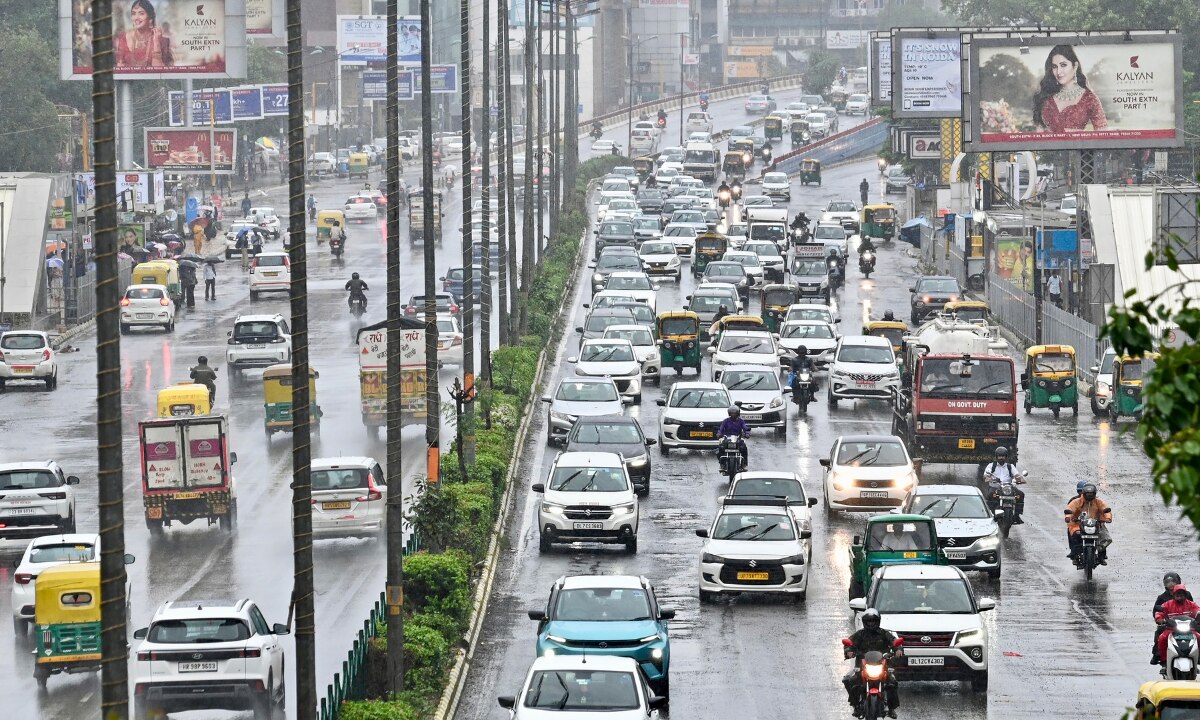
India’s proposed CAFE-III norms will enforce stricter fuel efficiency rules for passenger cars starting April 1, 2027, accelerating the shift toward hybrids and EVs.
Published: July 16, 2026, 5:03 PM IST
Share Article
https://www.india.com/news/india/vehicle-owners-alert-modi-govt-new-fuel-economy-norms-cars-april-1-2027-ethanol-buzz-ethanol-cng-biofuels-8475814/
New fuel economy norms- Image for representational purpose
New fuel economy norms: In a significant weather update for the vehicle owners of the country, the Indian government has proposed a stricter fuel efficiency regime for passenger cars to curb vehicular emissions and reduce oil imports. Released by the Ministry of Power for public consultation, the draft Corporate Average Fuel Economy (CAFE-III) norms will take effect on April 1, 2027. In the recent development, the Ministry of Power on Thursday circulated the draft Corporate Average Fuel Economy 2027 Norms (CAFE-III) for stakeholder consultation, which propose a fresh five-year fuel efficiency regime for passenger vehicles, beginning from April 1, 2027. Here are all the details you need to know about the draft Corporate Average Fuel Economy 2027 Norms (CAFE-III).
Which vehicles will be impacted by the draft Corporate Average Fuel Economy 2027 Norms (CAFE-III)?
The new rules will apply to all M1 category vehicles—including hatchbacks, sedans, and SUVs—targeting a fleet-wide fuel consumption drop from 3.996 liters/100 km in 2027–28 to 3.327 liters/100 km by 2031–22. For everyday buyers, this regulatory push will translate into a market shift toward highly efficient vehicles.
Automakers will be forced to roll out more hybrids, electric vehicles (EVs) and flex-fuel models
Over the five-year block, automakers will be forced to roll out more hybrids, electric vehicles (EVs), and flex-fuel models to meet their fleet targets. For the first time, the policy also grants carbon neutrality credits for vehicles running on ethanol, CNG and biofuels. Expect to see a wider variety of clean-energy cars in showrooms, alongside technologies like automatic start-stop and advanced regenerative braking becoming standard features on affordable models.
The draft norms apply to M1 category vehicles, a classification that covers passenger cars carrying up to eight people besides the driver, which includes all hatchbacks, sedans and SUVs sold for personal use. The category excludes commercial goods carriers and buses, according to an official statement.
Also read: Amid ethanol crisis, is cow dung is being used as vehicle fuel in India, price is expected to be…
What will happen to existing CAFE-II norms?
The existing CAFE-II norms are likely to lapse on March 31, 2027. Compliance under CAFE-III will be assessed in two phases, the first covering three years and the second the remaining two, with fuel efficiency targets progressing to more stringent levels through each passing year.