


India has reiterated that there is no change in its decision to keep the Indus Waters Treaty in abeyance, even as Pakistan Minister Musadik Malik visits New Delhi for an SCO eventHere’s what the MEA said and why the visit is significant amid strained India-Pakistan ties.
Share Article
https://www.india.com/news/india/absolutely-no-change-india-reiterates-stand-on-indus-waters-treaty-as-pakistan-minister-musadik-malik-attends-sco-forum-in-delhi-8546743/
‘Absolutely no change’: India reiterates stand on Indus Waters Treaty as Pakistan minister attends SCO forum in Delhi (PTI)
India on Friday reiterated that its position on the Indus Waters Treaty (IWT) remains unchanged, even as Pakistan’s Climate Change Minister Musadik Malik visited New Delhi to attend a Shanghai Cooperation Organisation (SCO) eventMinistry of External Affairs (MEA) spokesperson Randhir Jaiswal said India’s stand on the water-sharing agreement was clear and there had been no change in its decision“As far as IWT is concerned, we have made our position very clear, and that is where it remainsThere is absolutely no change,” Jaiswal said during a media briefing on Friday, November 20.
His remarks came as Malik attended the first SCO Civilisational Dialogue Forum, being hosted by India at Delhi’s historic Purana Qila from November 20 to 22The visit is significant as it marks one of the rare occasions since the military tensions between India and Pakistan in May 2025 when a Pakistani minister has travelled to India for an official multilateral event.
Malik arrived in New Delhi early Friday and attended the opening session of the three-day forumPrime Minister Narendra Modi inaugurated the event.
Why did India suspend the Indus Waters Treaty?
India placed the 1960 Indus Waters Treaty in abeyance in April 2025, following the terror attack in Pahalgam, Jammu and Kashmir, on April 22, which killed 26 people.
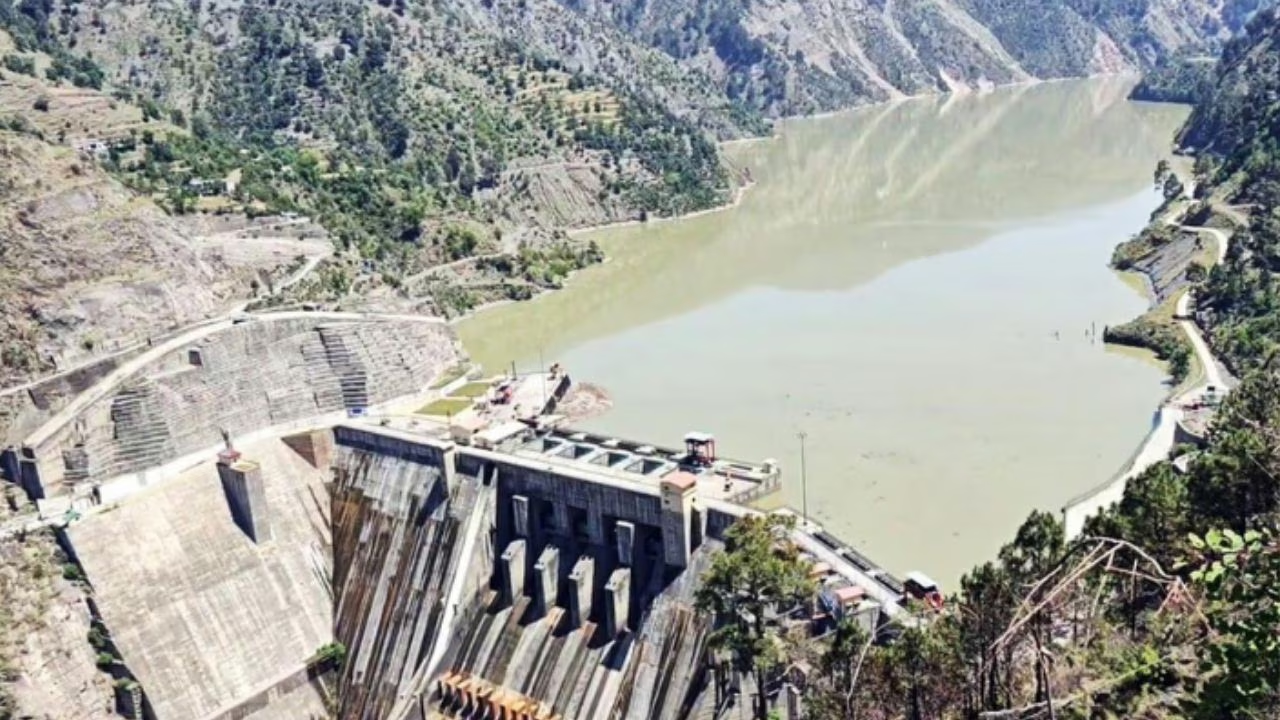
The decision was announced as part of a series of measures taken against Pakistan after the attackThe treaty had governed the sharing of water from the Indus river system between the two neighbouring countries for more than six decades.
Under the agreement, India was given control over the eastern rivers — Ravi, Beas and Sutlej — while Pakistan received rights over the western rivers: Indus, Jhelum and Chenab, subject to certain provisions.
Pakistan has repeatedly criticised India’s decision to suspend the agreementPakistani minister Musadik Malik had also made strong remarks against the move, warning that any attempt to stop Pakistan’s share of water would face a response.
What did Pakistan minister Musadik Malik say during his India visit?
Malik’s visit to New Delhi has attracted attention as it is among the first visits by a Pakistani minister to India since the military tensions between the two countries in May 2025.
Speaking to reporters on the sidelines of the SCO forum, Malik said culture could play an important role in improving relations between India and Pakistan“Culture has a very key role to play,” he said.
He also stressed the importance of understanding each other’s traditions, lifestyles and viewpoints through dialogue.
When asked about the possibility of improving bilateral relations, Malik said the event was focused on multilateral discussions and not issues involving only India and Pakistan.
Why was Pakistan invited to the SCO Civilisational Dialogue Forum?
India is hosting the first SCO Civilisational Dialogue Forum from November 20 to 22 at Purana Qila in New DelhiThe Ministry of External Affairs said invitations had been sent to all member countries of the Shanghai Cooperation Organisation, including Pakistan, as part of the usual practice for multilateral events.
The forum is being jointly organised by the Ministry of Culture and the MEAIt aims to promote cultural exchanges, strengthen people-to-people connections and encourage cooperation among member countries.
The SCO was established in 2001 by China, Russia, Kazakhstan, Kyrgyzstan, Tajikistan and UzbekistanIndia and Pakistan became permanent members in 2017.