


Villagers in Himachal Pradesh have ended the centuries-old practice of animal sacrifice during the consecration of Mata Drotishwari Temple, opting for Vedic ritualsThousands of devotees from 30-40 villages attended the ceremony.
Published: November 21, 2026, 9:50 AM IST
Share Article
https://www.india.com/news/india/no-animal-sacrifice-himachal-villagers-end-age-old-practice-during-temple-consecration-ritual-tradition-daroti-village-drotishwari-temple-shimla-8546747/
No animal sacrifice: Himachal villagers end age-old practice during temple consecration | image: ANI
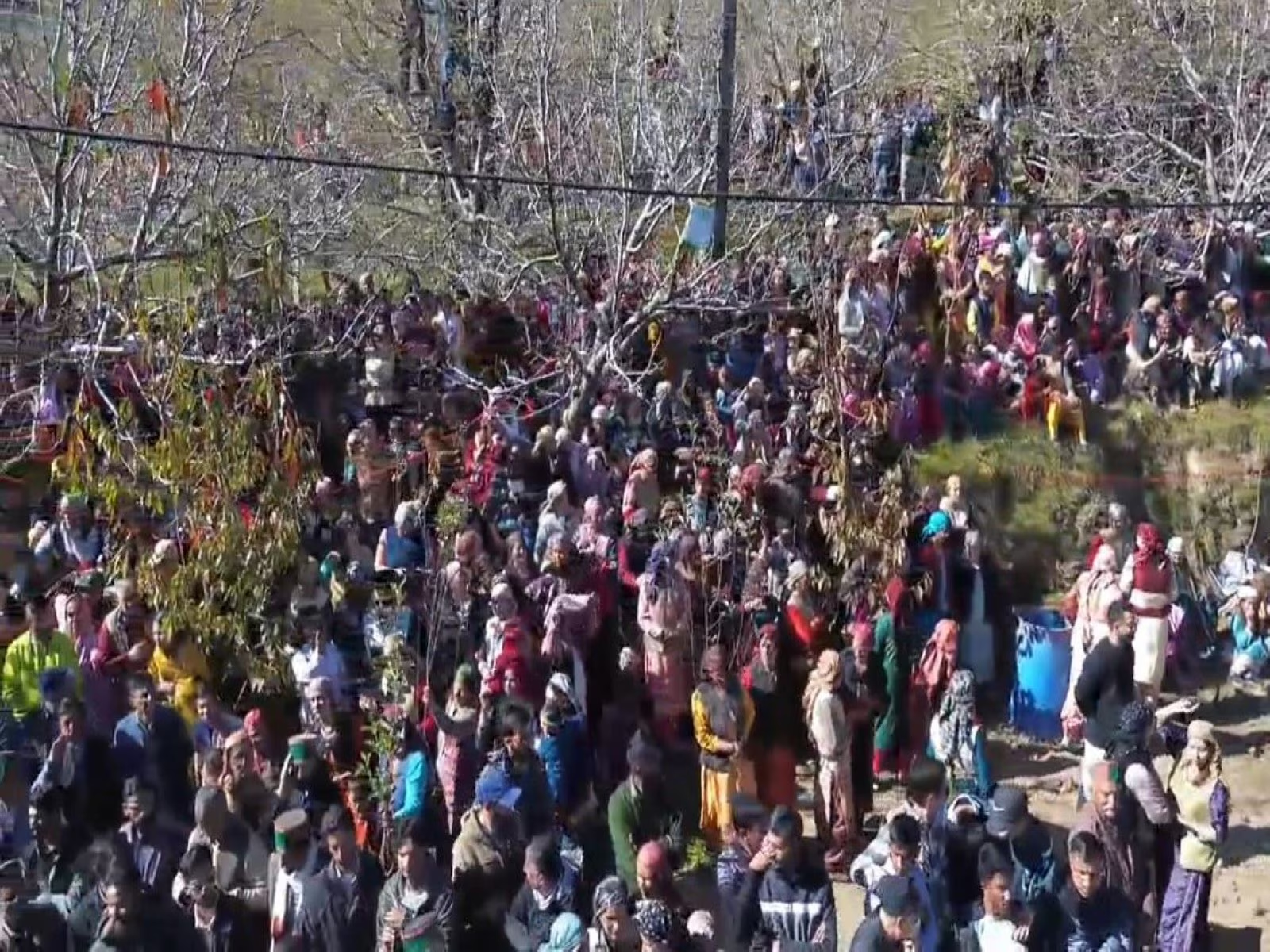
Shimla: In a significant social and religious initiative, villagers in Himachal Pradesh have ended the centuries-old practice of animal sacrifice during the consecration (Pratishtha) ceremony of a newly constructed temple, embracing Vedic rituals and a sattvik tradition while preserving their more than 150-year-old faith and cultural heritageThousands of devotees from around 30-40 villages gathered for the grand consecration ceremony of Mata Drotishwari Temple in the Nawar region, in Daroti Village nearly 150 kms from the state capital, Shimla, in the Tikkar area of Shimla district, with the younger generation taking a leading role in carrying forward the age-old religious tradition.
The temple, whose construction took nearly 10-12 years, was built through community contributions, voluntary labour and donationsThe ceremony marked the culmination of a religious pilgrimage undertaken by a group of devotees who travelled to Nagarkot (Kangra), Jwala Ji and Haridwar before completing a long journey on foot to their village.
BPCL MAK lubricantsBPCL MAK lubricants‹›
The initiative to conduct the consecration without animal sacrifice was taken following a community meeting held around two months ago, where villagers collectively decided to observe the ceremony through Vedic rituals.
Speaking with ANI on Friday, Prem Ranta, a member of the temple committee, said devotees from different age groups, including young people and elderly residents, had travelled several kilometres on foot to attend the ceremonyHe said the religious tradition traces its roots to their ancestors, who had brought a sacred symbol of the deity from Nagarkot in Kangra and established it in the village.
Ranta said the temple construction took nearly a decade and incorporated traditional architectural designs inspired by prominent temples across Himachal Pradesh, while the consecration ceremony witnessed a festive atmosphere with thousands of people gathering from neighbouring villages.
“Our ancestors had brought a sacred symbol of the Mata from Nagarkot in Kangra and established it here, after which the tradition continuedAnimal sacrifice was practised in this region, but around two months ago, a collective village meeting was held in the presence of a priest, where it was decided that the Pratishtha ceremony would be conducted according to Vedic rituals and there would be no animal sacrifice,” Ratna said.
“This is perhaps the first such initiative in the region, and its message can reach neighbouring areas and even across Himachal PradeshAround 25-30, or even 30-40 villages, have come together, and at least 4,000-5,000 people have gathered for this grand celebrationThe temple took nearly 10 years to construct, and its intricate carvings and designs have been inspired by some of the finest temples across Himachal Pradesh,” he added.
Ranta further noted that the initiative also reflected the growing participation of young people in religious and cultural activities, adding that the younger generation was increasingly coming forward to preserve local heritage and traditionsHe said the pilgrimage had been completed over 19 days, with a group of around 30 devotees travelling to Nagarkot, Jwala Ji and Haridwar before undertaking the journey on foot and returning to the villageHe also said that connecting young people with religious traditions could help guide them away from social evils such as drug abuse and other harmful habits.
The pilgrimage was undertaken by around 28-30 devotees, predominantly young people, who travelled nearly 300 kilometres on foot from Haridwar to their village, covering the distance over 10-12 days with halts along the routeThe participants said the journey was not only religious but also an effort to strengthen community bonds, preserve cultural values and encourage collective participation among residents.
Sunil Ranta, a young resident and devotee who participated in the pilgrimage, said the journey was an important effort to connect people across the region and preserve their traditional valuesHe said the group consisted largely of young participants who were enthusiastic about carrying forward their culture and heritage, while the journey also taught them cooperation, mutual support and collective responsibilityHe said the decision to discontinue animal sacrifice was a positive step towards respecting all living beings.
“Nearly 30 years after the previous such journey, we undertook this pilgrimage for the Pratishtha of our templeWe travelled nearly 300 kilometres on foot from Haridwar to our village, covering the distance over 10-12 days with halts, and around 28-30 people participatedThis is an effort to connect the entire region and preserve our values (values and traditions),” he said.
“Most of the participants in our group were young, and they had great enthusiasm for carrying forward our culture and heritageDuring the journey, everyone helped one another, worked together and supported each other, while faith gave us the energy to complete itEnding animal sacrifice is a very positive initiative, as it promotes respect for every living being and every life,” he added.
Rajender Singh Ranta, a local resident and devotee who is the oldest among the pilgrims, has travelled thrice during his 74 years of ageHe described the consecration as a historic occasion for the village and the entire Nawar regionHe said the temple had taken around 12 years to complete, with villagers contributing voluntary labour for nearly 100-150 days every year, besides donations running into lakhs of rupees.
He said the pilgrimage began on November 1, with devotees visiting Kangra, Jwala Ji and Haridwar, where they took a holy dip in the Ganga before undertaking the 300-kilometre journey on foot.
Rajender Singh Ranta said the community had completely discontinued animal sacrifice at the temple, adding that the Narayan deity of the region had already prohibited the practiceHe said a group of around 30 devotees, largely young people, undertook the pilgrimage, while he was the oldest participant at the age of 14, reflecting the strong involvement of the younger generation in preserving the tradition.
“This is a historic day not only for our village but for the entire Nawar regionThe Mata Drotishwari Temple took around 12 years to construct, and today its Pratishtha is being performedWe started the pilgrimage on November 1, travelled to Kangra and Jwala Ji, and then went to HaridwarAfter taking a holy dip in the Ganga, we undertook a journey of nearly 300 kilometres on footEarlier, animal sacrifice was practised, but we have now completely ended it hereOur Narayan deity had already prohibited animal sacrifice, and by ending this practice at the Mata’s temple as well, the deities have conveyed a very important message to the entire regionAround 30 people undertook the journey on foot, mostly young participants,” he said.
“We stayed for three days at Hatkoti Mata Temple and two days at the Narayan deity’s temple before reaching hereVillagers contributed around 100-150 days of voluntary labour every year for nearly 12 years, along with donations worth lakhs of rupees, to construct this magnificent templeI have complete faith that the young generation will continue to carry forward the work and traditions of the Mata in the coming years,” he added.
The temple’s priest, Ved Prakash Sharma, said the religious tradition had been followed for more than 150 years, according to accounts passed down by eldersHe said the area had historically been associated with a fort belonging to the Thakurs and had faced difficult circumstances, including a period of famine, after which the Mata’s divine presence was believed to have brought prosperity and upliftment to the regionHe said the pilgrimage to Nagarkot had been part of the tradition for nearly three decades and that the younger devotees had returned successfully after seeking blessings.
Sharma said the community was now witnessing a major transformation in the way religious ceremonies were conducted, with all temple Pratishtha ceremonies being organised in a sattvik manner and without animal sacrificeHe described the decision as a significant change initiated under the guidance and wishes of the region’s principal deity, Narayan, and said priests and young devotees were equally committed to ensuring that the spiritual tradition continued in the future.
“On this special occasion of the temple’s Pratishtha, I pay my respects to our principal deity Narayan and Mata DrotishwariThe history of the Mata is very oldIn earlier times, there was a fort belonging to the Thakurs in this area, and after certain disturbances and a period of famine, the Mata manifested herself, and the region’s upliftment and prosperity are believed to have followed through her blessingsAccording to our tradition, the pilgrimage to Nagarkot has been undertaken for nearly three decades for the sanctity of the Mata, and this time our young devotees also completed the journey successfully and returned with her blessingsSpirituality will never end,” he said.
“The younger generation is even more spiritual and faithful than us, and we have full hope that our traditions and spiritual practices will continue in the futureUnder the wishes and guidance of our principal deity Narayan, the Pratishtha ceremonies of our temples are now being conducted in a completely sattvik mannerThere will be no animal sacrifice in these ceremoniesThis is a major change and a significant transformation that we have initiated, considering the present circumstancesThe elders have told us that this tradition has been continuing for at least 150 yearsThe young generation is coming forward enthusiastically, and we have complete confidence that this tradition will continue and become even stronger in the years ahead,” he added.
The ceremony witnessed thousands of devotees gathering from surrounding villages, with the local community planning arrangements for religious rituals, food and other facilities for visitorsResidents said the initiative to end animal sacrifice while maintaining the sanctity of the centuries-old tradition reflected a changing approach to faith, with young people increasingly taking responsibility for preserving their cultural and spiritual heritage.
The consecration ceremony concluded with prayers and religious rituals, marking a new chapter in the village’s tradition of devotion and community participation.
(with ANI inputs)