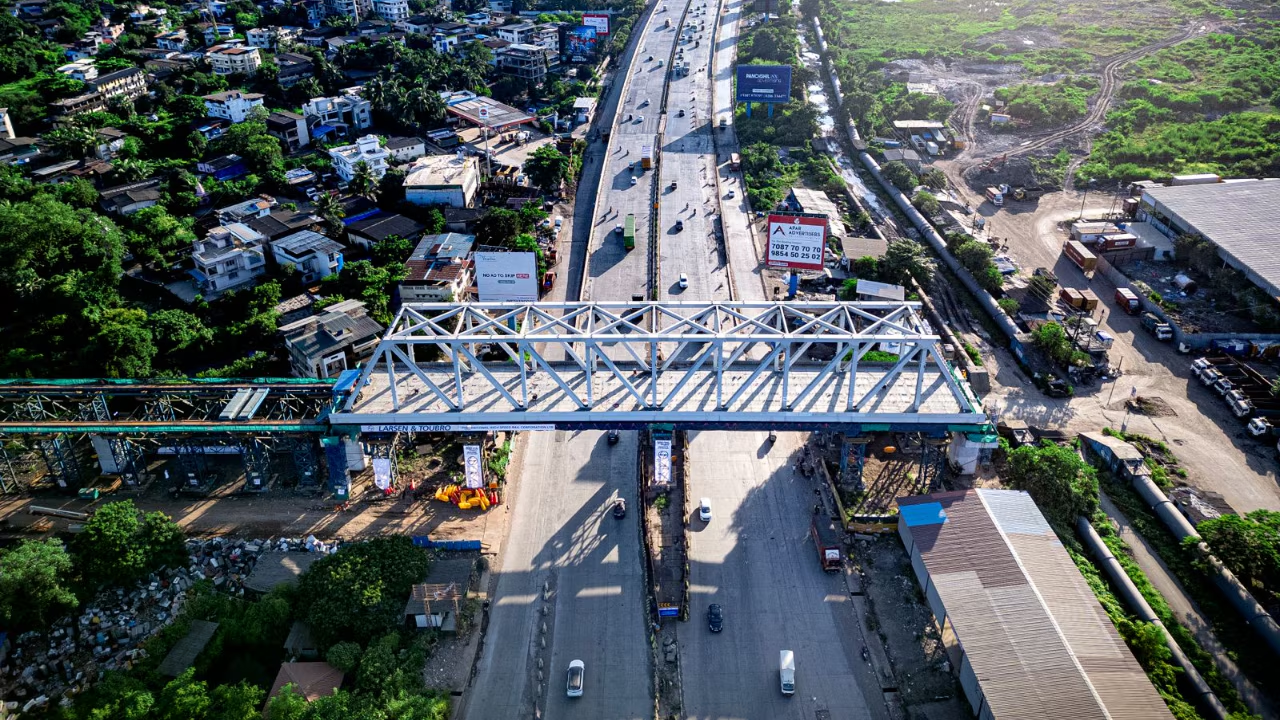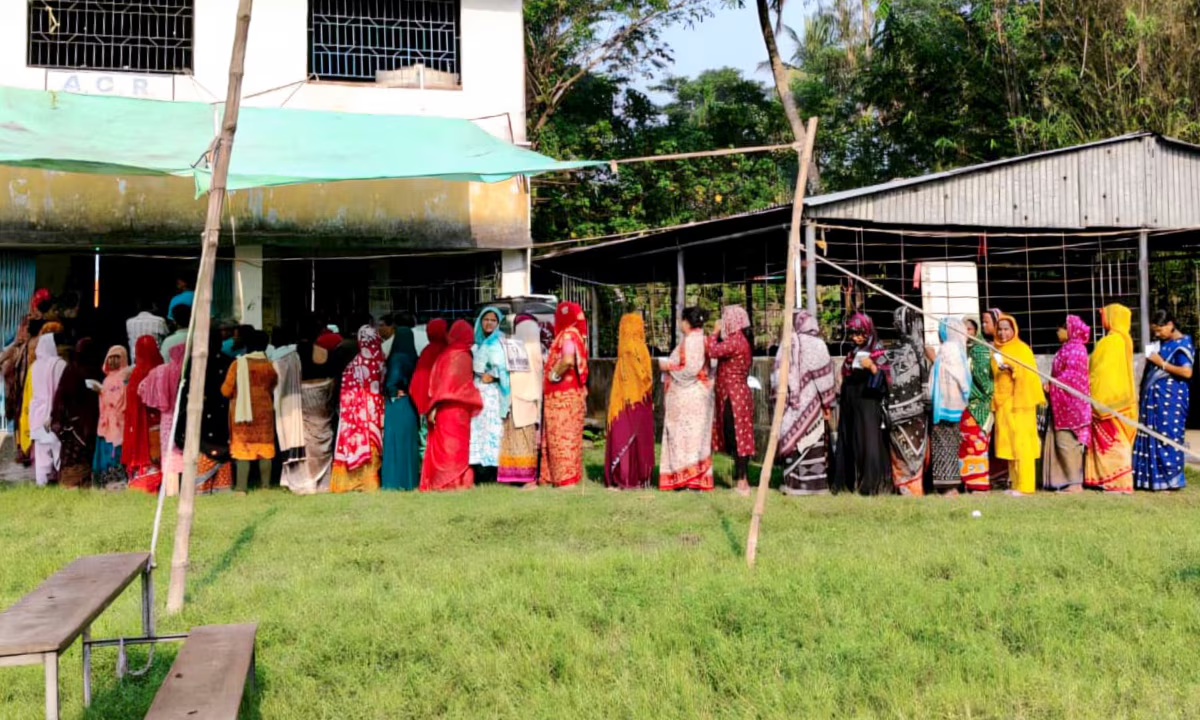

The government has already announced work-from-home arrangements for 50 per cent of employees in government and private offices, staggered office timings and doubling of parking charges at authorised parking facilities from November 1 to February 28Delhi Metro parking facilities will be exempt.
Share Article
https://www.india.com/news/india/delhi-pollution-aqi-air-quality-index-ghaziabad-noida-faridabad-chandni-chowk-vivek-vihar-jahangirpuri-8537980/
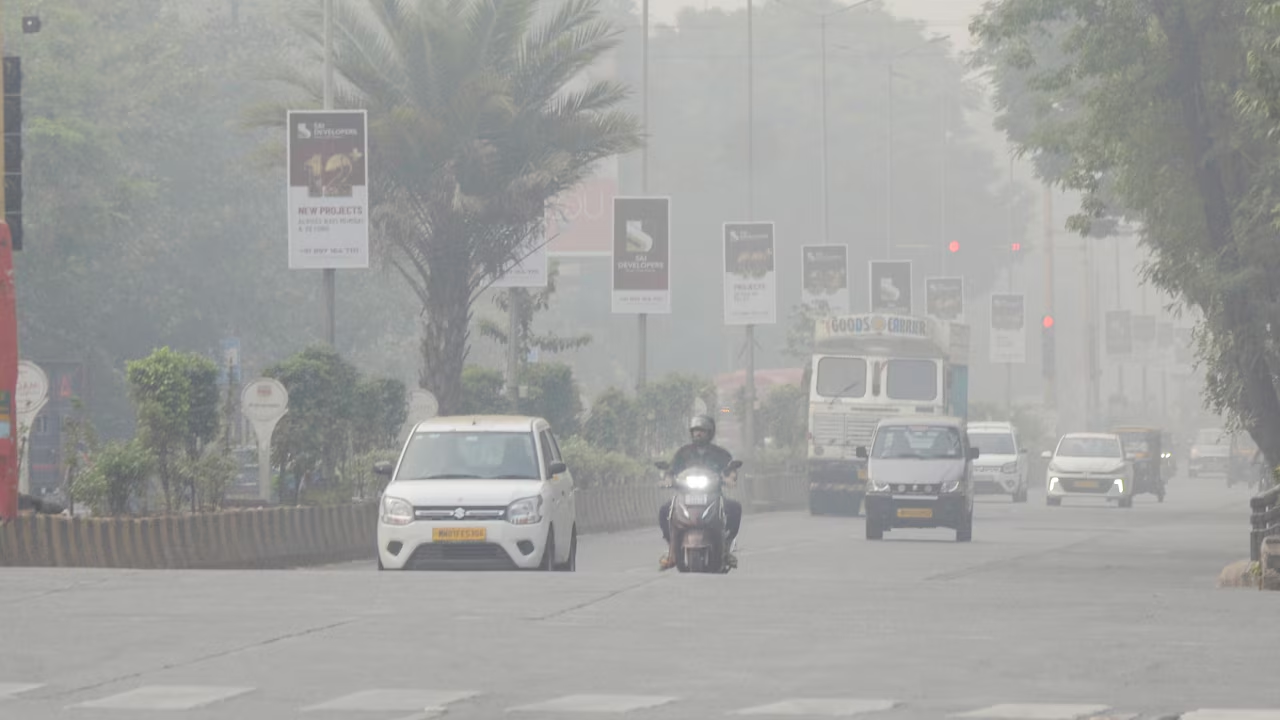
Delhi Pollution Update
New Delhi: The air quality of the National Capital remained in the ‘poor’ category for the second consecutive day on Thursday morningThe air quality index of the city was recorded around 253 (9am)As per the data available from 56 of 59 monitoring stations, Chandni Chowk, Vivek Vihar and Jahangirpuri recorded air quality in the very poor zone with readings of 307, 306, 309 respectivelyNineteen stations recorded air quality in the moderate zone while the remaining were in the poor category.
On Wednesday, Delhi recorded the season’s first ‘poor’ air as smoke from Dussehra celebrations pushed the AQI into the poor category and prompted the Commission for Air Quality Management (CAQM) to invoke Stage I of the Graded Response Action Plan (Grap) across Delhi-NCR.
According to the data available, the AQI rose from 179 on Tuesday to 245 at 4pm on Wednesday, the highest reading of the season and the worst since July 13, when it stood at 246.
The 66-point jump was the third-largest the day after Dussehra in the past decade, and Wednesday’s reading the worst for the day after the festival since 2021, when the index stood at 284.
Delhi sees season’s first ‘poor’ air quality day as winter pollution sets in
Delhi recorded its first ‘poor’ air quality day of the season on Wednesday, with the AQI touching a 100-day high of 245, prompting the Centre to invoke Stage I of the Graded Response Action Plan (GRAP) across the capital and NCR.
The last time the city recorded a comparable Air Quality Index (AQI) was on July 13, when it stood at 246The deterioration comes a day after Dussehra, when Ravan effigies packed with firecrackers were burnt at several locations across Delhi and NCRHowever, no direct link has been established between the celebrations and the worsening of the air quality.
With temperatures starting to drop and pollution levels deteriorating, the capital is entering a period when unfavourable weather conditions can hinder the dispersion of pollutants.
Under Stage I of GRAP imposed by the Commission for Air Quality Management (CAQM), authorities will strengthen dust-control measures at construction sites, prevent open burning of garbage and biomass, check vehicles for valid Pollution Under Control (PUC) certificates and act against visibly polluting vehicles and overage petrol and diesel vehicles.
Inter-city and inter-state buses from specified states, including Haryana, Uttar Pradesh and Rajasthan, cannot operate in Delhi-NCR unless they are electric, CNG-powered or BS-VI diesel buses.
Authorities must also intensify inspections of industries, brick kilns and hot-mix plants, improve traffic flow, ensure mechanised road sweeping and water sprinkling, and prevent fires at landfill and dumpsites.