The investigation also revealed that the accused had been assigned the task of conducting recce of police buildings and police personnel in Punjab.
Published: August 5, 2026, 10:30 AM IST
Share Article
https://www.india.com/news/india/major-breakthrough-punjab-police-busts-isi-backed-terror-modules-planned-attack-at-jantar-mantar-during-cjp-protest-8493356/
(File ANI Photo/Rahul Singh)
In a major anti-terror operation, Punjab Police claimed to have dismantled two terror modules allegedly linked to Pakistan’s intelligence agency, the Inter-Services Intelligence (ISI)Nine people, including four juveniles, have been taken into custody, and arms, ammunition and crude explosives have been seizedDirector General of Police (DGP) Gaurav Yadav said the operation was carried out by the Amritsar Commissionerate PoliceDuring the raids, police recovered three illegal pistols, four petrol bombs and nine live cartridges.
According to investigators, the accused were allegedly being directed by Pakistan-based ISI handlers, who were trying to recruit local youngsters to carry out terror-related activities in India.
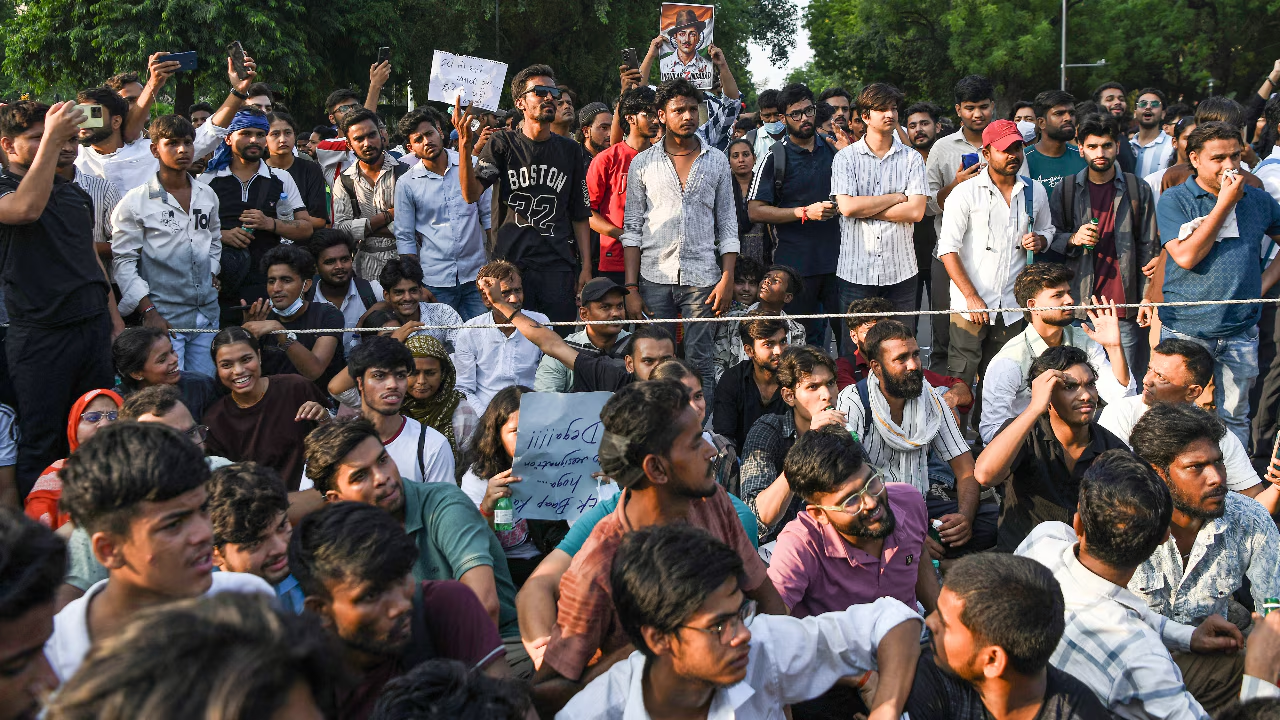
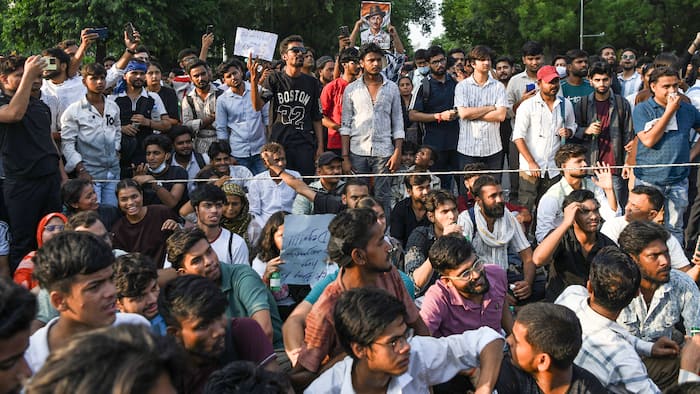
Police said one of the terror modules was traced to the Rajasansi area of AmritsarIt allegedly included Sukhman Singh and three minorsDuring questioning, Sukhman allegedly told investigators that he had been in contact with an ISI handler based in PakistanPolice claimed he had been instructed to target Delhi’s Jantar Mantar during the recent student protests organised by the Cockroach Janta Party (CJP).
Investigators said Sukhman and his associates had travelled to Delhi with the intention of carrying out the attackHowever, they allegedly abandoned the plan after finding heavy security deployment at the protest site.
Police further claimed that a person from Uttar Pradesh was expected to supply weapons and explosives to the group for the planned attackHowever, the delivery never took place because of the tight security arrangements, forcing the accused to return to Punjab without executing the alleged plot.
Further investigation is underway to identify other people connected to the case and trace the network behind the alleged conspiracy.
The investigation also revealed that the accused had been assigned the task of conducting recce of police buildings and police personnel in Punjab.
Second terror module uncovered during railway surveillance investigation
Punjab Police said the second alleged terror module came to light while investigating a case involving suspicious CCTV cameras that were found installed near railway tracks last month.
According to the police, the probe revealed that video footage recorded by these cameras was allegedly being passed on to handlers based outside IndiaInvestigators suspect the surveillance was being used to gather sensitive information about railway movements.
Among those arrested in the two cases are Vansh Kumar (19) and Anmol Singh alias Sahil (20), both residents of Patti in Tarn Taran district, Harman Singh alias Hammu (24), Sukhdev Singh (30), and Sukhman Singh (19) from AmritsarFour other people taken into custody are juveniles.
Police said the investigation is continuing to identify others who may have been involved in the alleged network and to determine the full scope of the operation.
Amritsar Commissioner of Police Gurpreet Singh Bhullar said the breakthrough came after police received specific intelligence about the suspects’ movementsActing on the tip-off, officers intercepted Vansh Kumar and a juvenile accompliceDuring the search, police recovered a .32-bore country-made pistol along with three live cartridges.
As the investigation progressed, police claimed they uncovered a money trail linked to the installation of surveillance cameras near railway tracksAccording to investigators, the payments for setting up the cameras were allegedly made through Paytm by Sukhdev Singh, who was already lodged in Amritsar Central JailPolice alleged that he acted on the instructions of another inmate, Harman Singh alias Hammu.
The two accused were later brought from jail on production warrants and formally arrested in the casePolice said the investigation is still ongoing to trace the wider cross-border network, identify other people involved and establish the role of the alleged foreign handlers.