

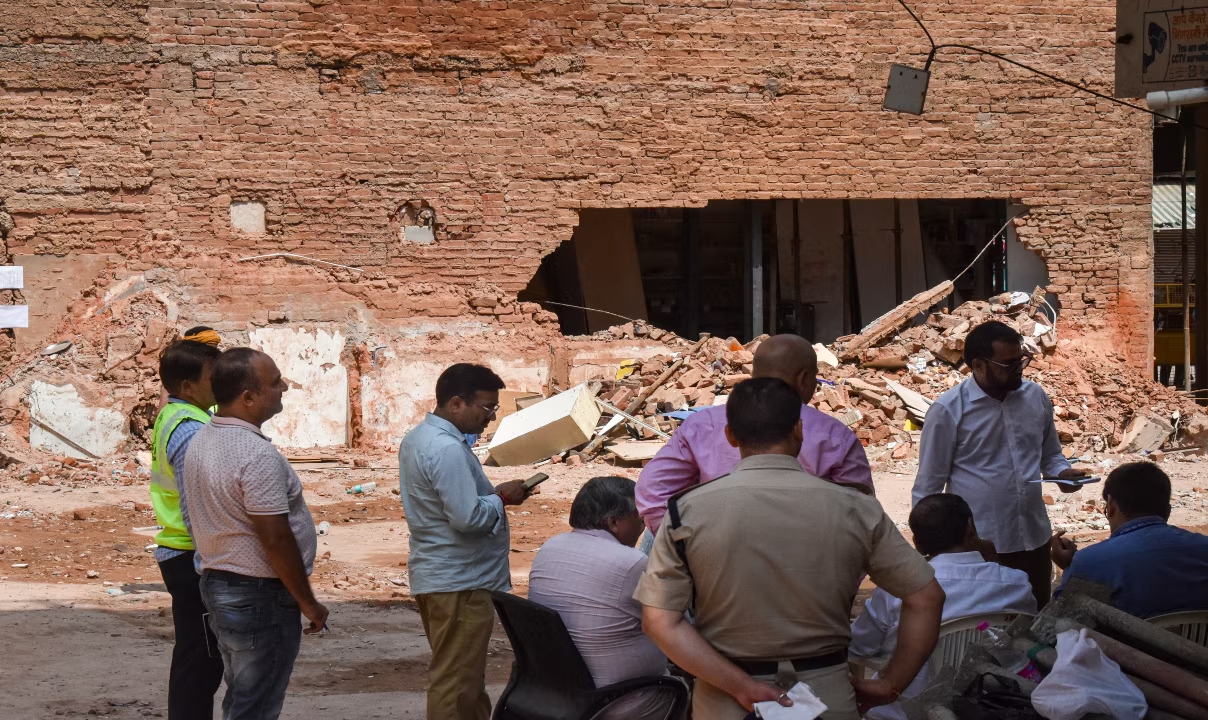
Satya Niketan Building Collapse and PG Rules: Following the Satya Niketan building collapse in Delhi, the rules governing PGs and hostels in Delhi have drawn attentionInterestingly, there is no separate law for approximately 200,000 PG hostels in Delhi.
Updated: September 8, 2026, 1:16 PM IST
Share Article
https://www.india.com/news/india/satya-niketan-building-collapse-55-yard-house-rs-7-lakh-monthly-rent-are-pgs-legal-in-residential-are-in-new-delhi-8519417/
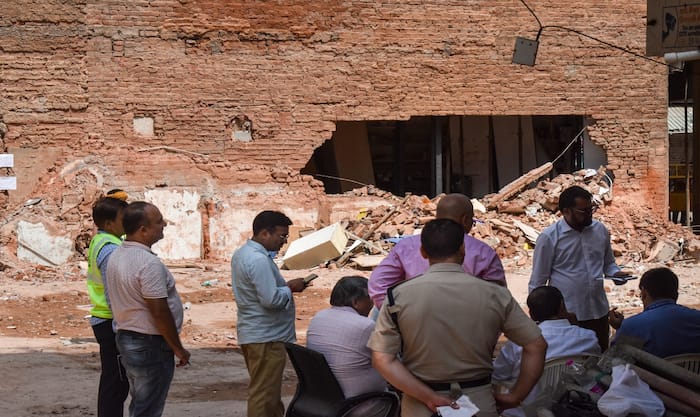
Police officials and people gather at the site during a rescue operation following the collapse of a multi-storey building housing a PG accommodation at Satya Niketan, in New Delhi (PTI)
Satya Niketan Building Collapse And PG Rules: The collapse of a five-story building in Satya Niketan, South Delhi, has exposed the illicit business operating in the name of PGs and private hostels in the capitalAccording to reports, despite having extremely poor facilities, these PGs and hostels charge children Rs 20,000 to 25,000 per bed per monthThe building that collapsed in Satya Niketan was also a hostel.
At least seven children died in this accidentSeveral similar incidents have occurred in Delhi’s Rajendra Nagar and Mukherjee Nagar areas before, but no government took any actionThe Satya Niketan incident has drawn attention to the rules governing PGs and hostels in DelhiHowever, you may be surprised to know that there are no specific rules and regulations in place for this purposeMore than 200,000 PGs and hostels operate in Delhi, housing millions of children.
According to the report, the Satya Niketan house was built on a 55-yard plotEach floor had four roomsIncluding the basement, it had a total of six floorsEach room had three beds, and the rent for each bed was 12,000 rupeesThus, the house had 60 beds in approximately 20 roomsAt 12,000 rupees per bed, the rent for this house was Rs 7,000 to 7.5 lakh per month.
The question is, who controls the large number of PGs and private hostels operating in Delhi? Do they have licenses? Does the government determine how much rent can be charged from students? If PG operators are charging arbitrary rents or failing to provide amenities, where can students complain?
It’s important to know the answers to these questions because PGs in Delhi are no longer limited to renting out one or two rooms in a houseThey’ve become a multi-crore businessEntire buildings, from coaching hubs to universities and major employment centers, have been converted into PGsEach building has dozens of roomsIn many places, multiple beds are placed in a single roomStudents pay rent, electricity, and water bills, and even pay for foodYet, there’s no guarantee of safety.
Is there any separate law for PG in Delhi?
Interestingly, there is no separate law for PGs in Delhi that mandates mandatory registration, regular inspections, and oversight by a designated regulatory bodyThis does not mean that PGs are completely unregulatedWhile different regulations may apply to building safety, land use, fire safety, and other matters, there is no unified system for PG businesses that allows operators to obtain a single license and ensures full government accountability.
Attempts to regulate PG have been made before
In 1993, the central government launched the Paying Guest Accommodation SchemeIts purpose was to provide affordable and clean accommodation to domestic and foreign tourists in people’s homesThis scheme had an important condition: the landlord must reside in the house where the PG facility was being providedLater, responsibility for this scheme passed to the Delhi governmentIn 2000, the then Sheila Dikshit government approved its Paying Guest Accommodation Scheme.
Under this scheme, the landlord could register with the Delhi Tourism DepartmentNo more than half of the house’s rooms were permitted for use as PG accommodationThe maximum limit was four rooms or eight bedsHowever, this arrangement was made for the time.
Rs 20000-Rs 250000 monthly rent
There is no separate rent control law for PGs in Delhi that sets a maximum rent per bed in each areaThis means that PG rents are generally negotiated between the operator and the studentsIn areas with high student demand, the operator charges higher rentsThis is why, in many popular areas, a single bed can be charged between 20,000 and 25,000 rupees per month.
What’s new in the proposed rule
Now, the proposed system calls for a major change in this regardThe Paying Guest Accommodation Regulation and Protection Bill, 2026, proposes setting different rent limits, or rent bands, for PGsIf implemented, this system will provide the government with a way to determine the rents that can be charged in different categories of PGsThis is important because market demand is currently the primary driver of rent in many placesHowever, controlling rents will not be easyLand and housing prices in Delhi are very highPG operators also include the cost of maintenance, electricity, water, food, and other amenities in the rentTherefore, the government must strike a balance that provides relief to students, while not imposing regulations that would destroy the entire business.