The doctor noted that individuals at the extremes of age—specifically young children and the elderly—need to exercise special caution during the infectionHe advised those over the age of 60 to remain particularly vigilantPeople suffering from conditions such as diabetes, asthma, or tuberculosis also need to take extra precautionsIndividuals with a history of smoking—even those who have quit—who suffer from lung-related ailments may also be more vulnerable.
Published: August 14, 2026, 11:39 PM IST
Share Article
https://www.india.com/news/india/swine-flu-cases-rising-in-delhi-what-are-the-symptoms-doctors-issue-warning-and-advise-caution-8501926/
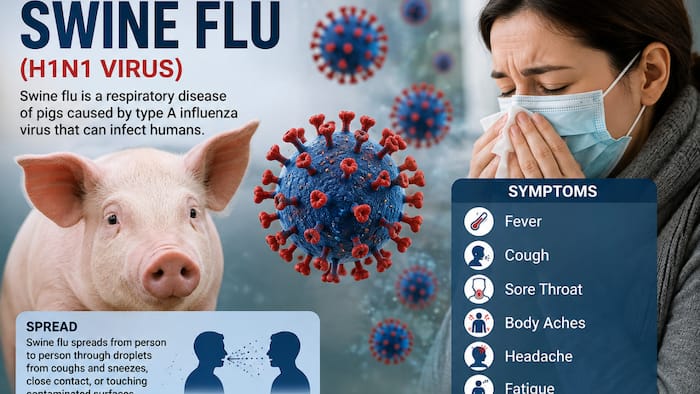
(Representational image/AI generated)
New Delhi: Amidst the changing weather and the monsoon season, doctors have advised people to exercise caution regarding swine flu cases in DelhiAccording to experts, factors such as weather fluctuations, cooler temperatures, overcrowding, and person-to-person transmission create conditions favorable for the spread of the fluWhile early symptoms of the common cold and the flu can be quite similar, one needs to pay special attention to symptoms like high fever, chills, severe body aches, and respiratory difficulties.
DrSatyajit Kumar and DrNeeraj Nischal, a Professor of Medicine at AIIMS, provided information regarding swine flu symptoms, high-risk groups, differences from the common flu, preventive measures, and signs indicating the need to consult a doctor.
According to DrSatyajit Kumar, environmental conditions play a significant role in the rise of swine flu and other respiratory illnessesTemperature changes, overcrowding, and weather conditions create an environment conducive to the spread of infectionHospitals typically see a higher number of patients suffering from the common cold and flu during this seasonAdditionally, increased testing during this period can lead to a higher number of detected infection cases.
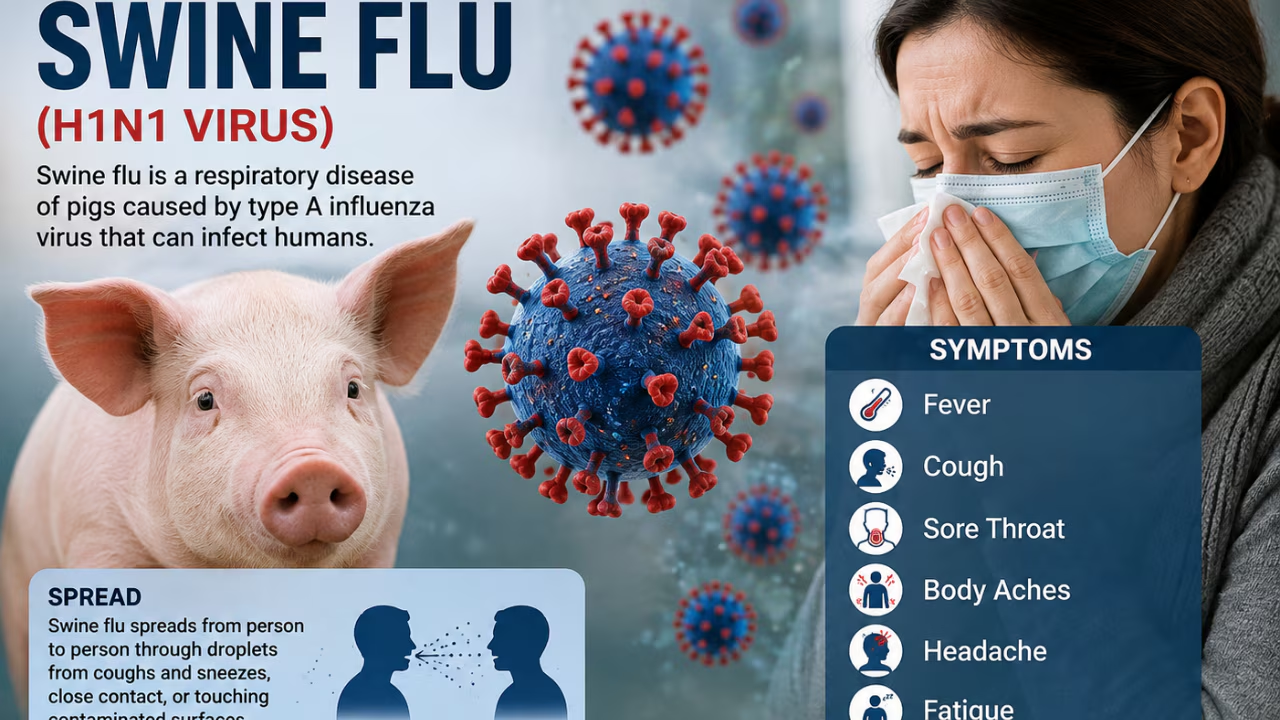
He explained that swine flu patients exhibit a variety of symptomsKey symptoms include high fever, chills or shivering, sore throat or throat pain, body aches, pain in the limbs, headache, weakness, a general sense of feeling unwell, and, in some cases, breathing difficultiesThe fever associated with swine flu can be quite high, with some patients’ temperatures reaching 102 to 104 degrees FahrenheitHigh fever accompanied by chills and headache are symptoms that may indicate a more serious condition compared to the common cold.
He noted that the fever in such cases can generally be quite highThis may be accompanied by chills, severe body aches, and a splitting headacheIn some patients, body temperature can rise as high as 104 degreesWhile initial distinctions can be made based on symptoms, the infection can be confirmed through testing if necessary.
The doctor noted that individuals at the extremes of age—specifically young children and the elderly—need to exercise special caution during the infectionHe advised those over the age of 60 to remain particularly vigilantPeople suffering from conditions such as diabetes, asthma, or tuberculosis also need to take extra precautionsIndividuals with a history of smoking—even those who have quit—who suffer from lung-related ailments may also be more vulnerable.
He explained that if symptoms are mild, one can rest at home for the first day or twoHe recommended simple measures such as drinking warm water, protecting oneself from the cold, and gargling with warm salt waterHe emphasized the importance of adequate rest and monitoring one’s condition during the initial daysHowever, any medication should be taken only upon a doctor’s adviceHe specifically warned against self-medication, noting that every drug carries potential side effects.
DrSatyajit Kumar stated that the hospital is receiving many patients with symptoms like the common cold, sore throat, and body aches, and that testing and treatment are being tailored to each patient’s conditionHe mentioned that the hospital has a dedicated OPD and ward for respiratory medicineFacilities such as ventilators are available if needed, and the hospital is fully prepared to handle such cases.
Meanwhile, AIIMS Professor DrNeeraj Nischal explained that as the weather turns cooler, the environment becomes more conducive to the spread of the influenza virusThe infection primarily spreads from person to person; thus, contact with an infected individual increases the likelihood of transmissionWhile the common cold is a relatively mild condition, influenza can become severe in some casesThe patient’s condition can become critical, especially when the infection affects the lungs and leads to a pneumonia-like state.
He noted that symptoms such as the common cold and cough are frequent since the respiratory system is affectedSome patients may also exhibit gastrointestinal symptoms, such as diarrheaTherefore, it is crucial to consult a doctor immediately if there is a persistent fever, difficulty breathing, or if the patient appears unwellHe categorized children, the elderly, and patients with comorbidities—such as asthma, heart disease, kidney disease, or those undergoing immunosuppressive therapy—as high-risk groupsCancer patients may also be more susceptible to the infectionPregnant women should also exercise particular caution regarding flu infections and seek medical advice if symptoms appear.
DrNischal stated that if a patient feels their condition is not right or notices any warning signs, they should contact a doctor immediatelyAdvising the adoption of hygiene habits learned during the COVID-19 pandemic to prevent infection, he emphasized that hand hygiene is crucialIndividuals exhibiting flu-like symptoms should wear a mask and cover their mouths while coughing or sneezingIt is also essential to wash hands thoroughly after coughing.
(With IANS inputs)