
India has maintained that the decision to stop the fighting was reached through direct discussions between New Delhi and Islamabad, with no third-party mediation involved.
Published: August 26, 2026, 10:08 AM IST
Share Article
https://www.india.com/news/india/they-tweeted-before-we-could-ex-cds-chauhan-hints-other-side-leaked-operation-sindoor-ceasefire-details-to-trump-rejects-india-pak-truce-claim-8510142/
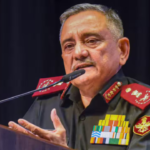
‘They tweeted before we could’: Ex-CDS Chauhan hints ‘other side’ leaked Operation Sindoor ceasefire details to Trump (PTI/File)
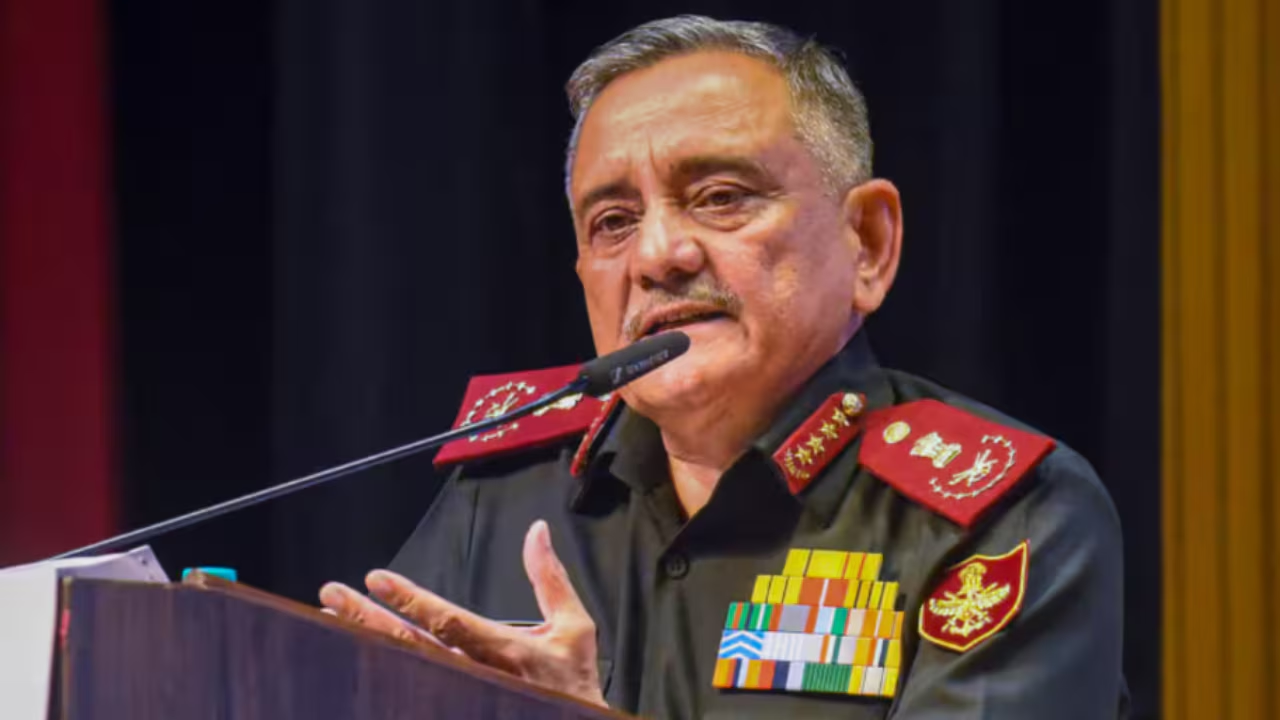
Former Chief of Defence Staff General Anil Chauhan has rejected US President Donald Trump’s claim that Washington helped broker the ceasefire between India and Pakistan after Operation Sindoor, saying the decision was reached directly by the two countries’ military leadershipSpeaking at a Vivekananda International Foundation (VIF) event on Tuesday, Chauhan said there was no role for any third party in the discussions that led to the halt in fighting.
“I don’t see the role of anyone else,” Chauhan said when asked about the possibility of outside mediationHe explained that the agreement was reached through direct communication between the Directors General of Military Operations (DGMOs) of India and Pakistan.
Read more:
CDS Anil Chauhan makes BIG statement amid India-China reset, says boundary dispute with China is…
Chauhan also raised questions over how the United States appeared to know about the ceasefire before India and Pakistan had publicly announced itHe suggested that the information could have come from the Pakistani side.
‘How did this information get leaked?’
While recalling the events of May 10, 2025, Chauhan said establishing contact with his Pakistani counterpart was initially difficultThe two sides eventually worked out an agreement to halt military action at 5 pm.
“The DGMO said he is not available till about 3 o’clock… and then we decided at 5 o’clock,” Chauhan said.
He questioned how the US could have announced the development before the two countries themselves made it public“How did this particular information get leaked out to the Americans that they tweeted before we could announce this?” he asked.
Chauhan said he was confident that India had not passed the information to Washington“I’m really sure it did not leak out from us,” he said, adding that he believed the information may have come from the other side.
Trump had announced the ceasefire first, posting on Truth Social that India and Pakistan had agreed to a “full and immediate ceasefire”The US president had also claimed that the agreement followed a “long night of talks mediated by the United States”.
WATCH: What Ex-Chief of Defence Staff General Anil Chauhan said
#WATCH | Delhi | On US President Trump’s claims that he mediated ceasefire between India and Pakistan, Former CDS Anil Chauhan says, “The DGMO said he is not available till about 3 o’clock… and then we decided at 5 o’clockSo the ceasefire was decided between two DGMOs, and… pic.twitter.com/Vk1zL20AVX
— ANI (@ANI) August 25, 2026
Trump repeatedly claims credit for ceasefire
Trump has repeatedly taken credit for helping end the military confrontation between India and PakistanHe has claimed that pressure from Washington, including the possibility of imposing steeper tariffs, helped persuade the two countries to agree to a ceasefire.
Trump first announced the ceasefire publicly before India and Pakistan had issued their own official statementsThe White House later said American officials had remained in touch with senior representatives from both countries during the 48 hours leading up to the agreement.
India, however, has maintained that the decision to stop the fighting was reached through direct discussions between New Delhi and Islamabad, with no third-party mediation involved.
Ceasefire came after Operation Sindoor
General Anil Chauhan’s remarks come against the backdrop of Operation Sindoor, which India launched on May 7, 2025, days after the April 22 terror attack in Pahalgam that killed 26 people.
The Indian government said the military operation targeted terrorist infrastructure in Pakistan and Pakistan-occupied Jammu and Kashmir.
The tensions between the two nuclear-armed neighbours continued for several days, with both sides carrying out missile, drone and artillery attacks.
The hostilities eventually came to an end on May 10, when India and Pakistan agreed to halt military action.