

The ICC is planning stricter rules for T20 leagues, which could bring major changes to the UAE’s ILT20 and major league cricket in the USA.
Published: November 13, 2026, 9:53 AM IST
Share Article
https://www.india.com/sports/cricket/icc-eyes-stricter-rules-for-t20-leagues-ilt20-and-mlc-may-face-major-changes-8544430/
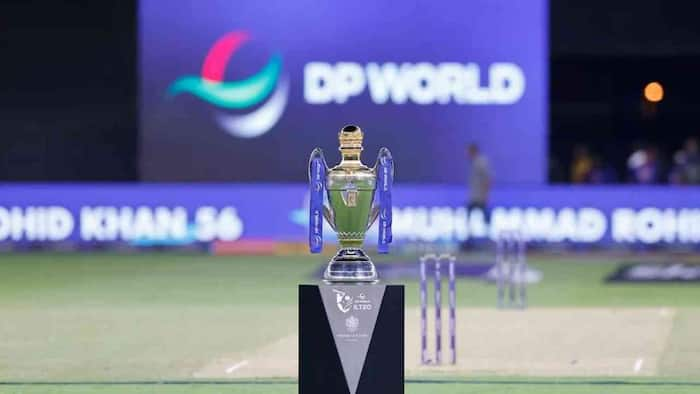
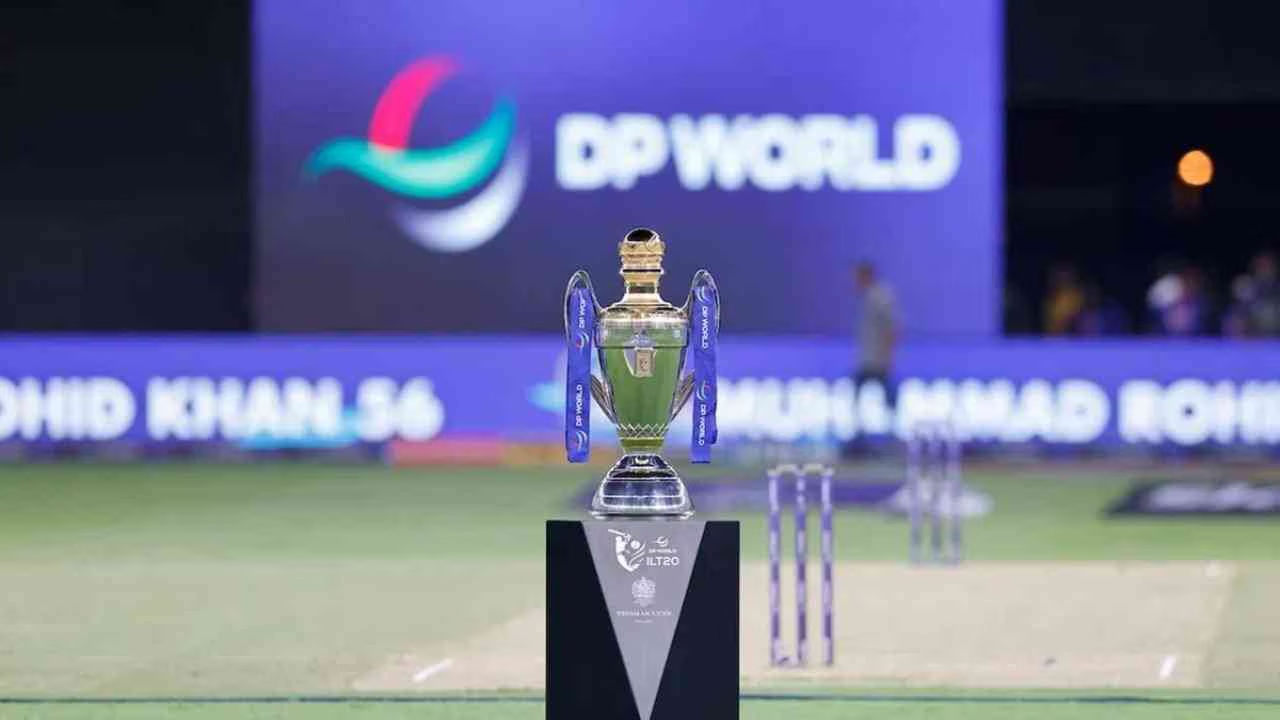
ICC’s new rules could affect ILT20 and MLC (Image – X)
The ICC wants T20 leagues across the world to come under new and stricter rulesThe changes may have ramifications for leagues like the UAE’s ILT20 and Major League Cricket (MLC) in the United StatesThe ICC wants more control over these leagues and how they work, Cricinfo reports.
The ICC’s group, which looks after franchise leagues, has made these suggestionsCricket board heads and chief executives will talk about them at the ICC’s meetings in Bali this weekendIf the new rules are approved, they could bring big changes to franchise cricketThe ICC wants to keep a closer watch on leagues, players, sponsors and rules to stop corruption.
Read more:
Bad news for Shubman Gill ahead of 4th ODI vs NZ, Mitchell and Kohli are gunning for top spot
One of the main suggestions is to allow only four overseas players in a playing XIThe ICC wants all T20 leagues to follow this ruleThis could affect the ILT20 and MLC because both leagues were given special permission when the ICC brought in player limits in 2023.
At present, the ILT20 allows up to nine overseas players in a playing XIAt least one of them must be from an Associate Member countryMLC allows up to six overseas players in its playing XI.
If the limit comes down to four, both leagues will have to give more chances to local players from the UAE and the United StatesThis could also change the strength of the teams and affect the interest of fans and sponsors.
Both leagues also have links with Indian cricket teamsFive of the six ILT20 teams have owners who are also linked to IPL or WPL teamsIn MLC, four teams are linked to IPL owners.
The ICC group has also suggested that the ICC should have more power to check the approval given to franchise leagues by Full Member cricket boardsUnder the current rules, Full Member boards can give approval to domestic leagues in their own countriesBut leagues run by Associate Member countries need extra approval from the ICC.
Under the new rules, the ICC could step in if a Full Member board does not follow the rules while giving approval to a leagueThe ICC could also reject a league’s request or take back its approval if there are serious concerns about corruption or unfair activities.
The group has also suggested new rules for deals with betting companiesThe ICC wants to stop leagues from making deals with betting companies or brands linked to themThis will mainly apply to companies that promote betting in countries where gambling is not allowed.
The proposal states, “This would address the threat posed by the growth of illegal betting (namely betting on unregulated markets or in countries where betting is illegal)Such sponsorship exposes host Members to the risk of facilitating illegal betting in cricket, which carries the potential for increased corruption and raises clear ethical and governance questions for the sport.”
The ICC also wants to take more steps to stop cheating in T20 leaguesIt wants every league to work with its Anti-Corruption Unit (ACU) or another group approved by the ICCThis may become a rule for getting permission to run a leagueIf the ICC feels that a league may have cheating problems, its ACU could keep a close watch on itThe league organisers would have to pay for these checksThe ICC could also refuse permission if a league cannot take steps to stop cheating.
The ICC group has also suggested that leagues should pay a fee to get permission to runThis money could be used to check team owners and look into cheating casesThese suggestions come as concerns about cheating, changes in team owners and payment problems grow in T20 leaguesThe ICC group also feels that the rules for giving permission to leagues are differentIt wants all leagues to follow the same rules before getting approval from their cricket boards.
“At the moment, the Regulations do not provide any detailed conditions which must be satisfied by a domestic league, and different approaches are therefore taken in the various Member territories,” the paper concludes.
“A more detailed structure should be put in place (through the Regulations) setting out the conditions that a franchise league would need to satisfy before it could obtain a domestic sanction.”