Kachaudi Gali: Featured in Coke Studio Bharat and soulfully sung by Rekha Bhardwaj and Utpal Udit, the song is much more than just a heartbreaking Bhojpuri love song. Here’s the history and meaning behind the viral folk song.

Updated: May 22, 2026 9:02 PM IST
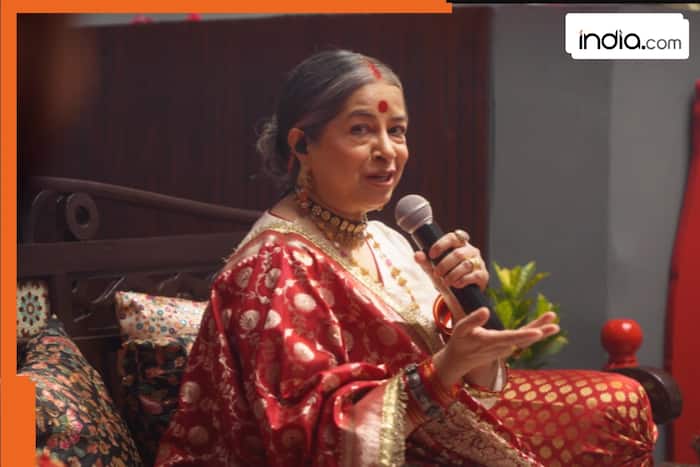
Coke Studio Bharat has once again touched an emotional chord with its latest offering from Season 4, the soulful Bhojpuri folk song Kachaudi Gali. This song is much more than yet another musical number; it revives a forgotten chapter of history with the soul of Bhojpuri folk poetry, the pain of parting and the cultural memory of old Benaras. This time, Coke Studio Bharat takes us through the narrow lanes of Banaras, where music, longing and resistance once co-existed.
Kachaudi Gali’s hidden history
Kachaudi Gali is set against the backdrop of the First Anglo-Burmese War, and tells the heartrending story of a woman whose husband is forcibly taken away by the British Army from Mirzapur to Rangoon for a war he never signed up for. The song makes the listener feel the emptiness of waiting, the loneliness of abandoned homes and the anger of a people crushed under colonial rule.
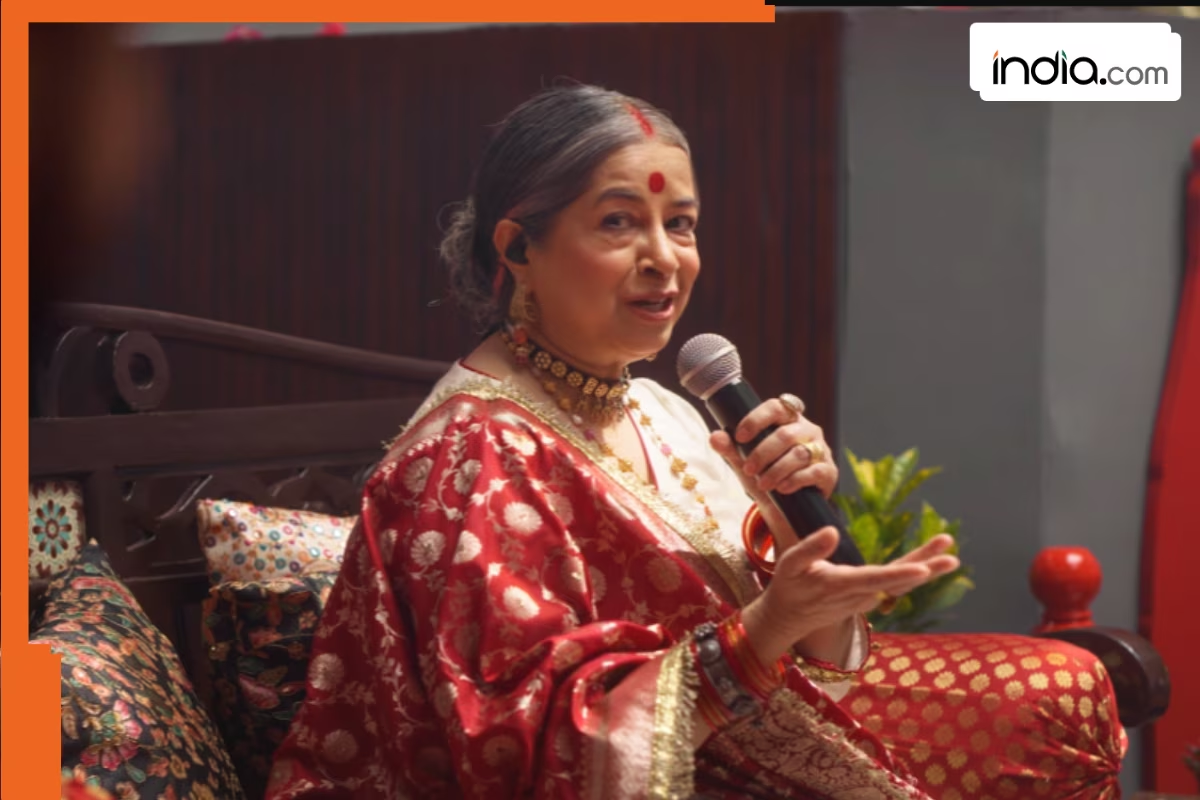
The emotional depth of Kachaudi Gali comes from the powerful voices of Rekha Bhardwaj and Utpal Udit. Bhardwaj’s textured voice adds an aching intensity to the composition, making every word heavy with grief and memory. Udit retains the rawness and earthy simplicity of Bhojpuri folk traditions so beautifully that the song feels less like a studio recording and more like an echo from the old streets of Banaras itself. The music additions by Khwaab quietly elevate the emotional atmosphere without overpowering the folk essence.
What makes Kachaudi Gali so powerful is the meaning hidden within its poetry. The lines:

“Ehi Mirzapur se udle jahajiya, Saiyan chale gail Rangoon ho”
translate to:
“From Mirzapur the ship departed, And my beloved was taken away to Rangoon.”
The word “udle” – meaning departed or flew away – carries emotional weight in Bhojpuri folk music. It is not simply about travel, but about someone disappearing from your life forever.
Then comes the song’s most striking moment:
“Hathwa mein hot jo hamar katariya, Baha deti gorawan ke khoon ho”
which means:
“If only I had a dagger in my hand, I would spill the blood of the white rulers.”
With these words, the song transforms from a tale of separation into a quiet cry of resistance against colonial oppression. The woman’s heartbreak becomes political anger. It reflects the emotions of countless ordinary families whose pain never entered history books but survived through oral traditions and folk songs.
Watch the song Kachaudi Gali here:
Also Read: OTT releases this week (May 21-May 24, 2026)
According to content creator Sant Sharma (@mapbybharat), a century ago, Kachaudi Gali in Banaras was also known for its rich courtesan culture, where musicians, dancers, and poets performed through long monsoon nights. That cultural memory flows deeply through the song. The kajri-style composition blends Banarasi street culture, Bhojpuri folk poetry, monsoon melancholy, and anti-colonial emotion into one unforgettable musical experience.
That is perhaps why Kachaudi Gali feels so timeless. It is not just heard, it is felt.