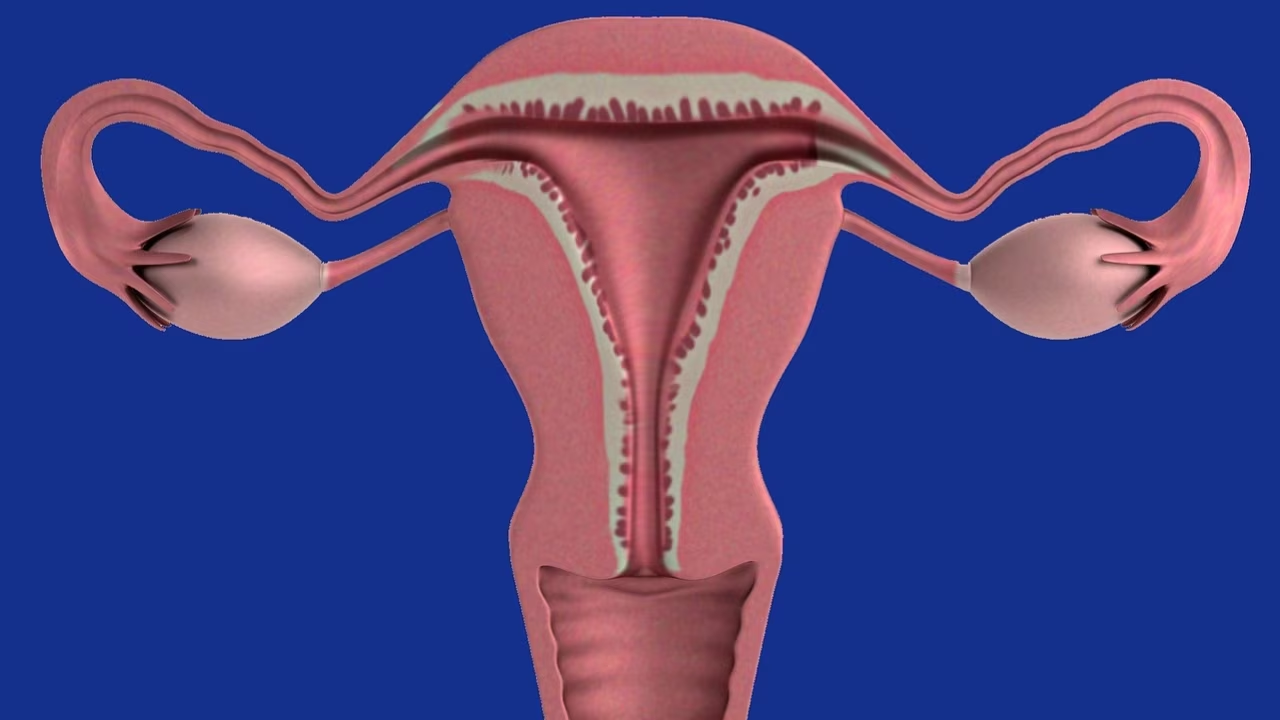
World IVF Day 2026: Can PCOS affect fertility? Dr Monika Gupta, Centre Head at Kailash IVF, Noida, explains what every woman should not assume.
Updated: July 24, 2026, 2:54 PM IST
Share Article
https://www.india.com/health/world-ivf-day-2026-struggling-to-conceive-with-pcos-heres-what-an-expert-says-8482761/
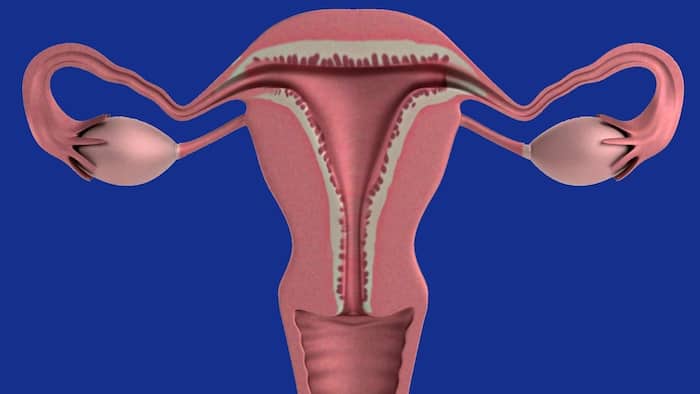
World IVF Day – PCOS (PC- Pixabay)
One of the first questions women ask after being diagnosed with Polycystic Ovary Syndrome (PCOS) is, “Will I be able to become a mother?” It is an understandable fear, especially given the amount of misinformation circulating online. The reassuring truth is that PCOS does not mean infertility. It means fertility may require a little more planning, timely intervention, and a better understanding of what is happening inside the body. PCOS is a prevalent hormonal condition among women in their reproductive years. According to research, almost one in five women in India has PCOS but many are still undiagnosed due to varying symptoms. For instance, some women might have irregular cycles; some may develop bad skin or facial hair; while others may only find out about their PCOS when they try for a baby.
Polycystic Ovary Syndrome (PCOS) is a hormonal disorder that primarily affects ovulation, meaning the ovary often fails to release an egg every month as it normally should. In a healthy menstrual cycle, several hormones work together to trigger ovulation. However, in women with PCOS, this hormonal balance is disrupted, preventing regular ovulation. Many women with PCOS also develop insulin resistance, a condition in which the body’s cells do not respond effectively to insulin. To compensate, the body produces more insulin, which in turn stimulates the ovaries to produce higher levels of androgens (male hormones). This hormonal imbalance interferes with ovulation and can make it more difficult to conceive.
Read more:
World IVF Day 2026: Expert shares the silent male fertility crisis every man needs to know about
Speaking to India.com, Dr. Monika Gupta, Centre Head at Kailash IVF, Noida, explains how PCOS can often be misleading and why women should not assume it always leads to infertility.
The doctor revealed, the tiny “cysts” seen on ultrasound are not true cysts at all. They are actually small immature follicles, each containing an egg that started developing but never reached maturity because ovulation did not occur. Explaining this distinction often relieves unnecessary anxiety among patients.
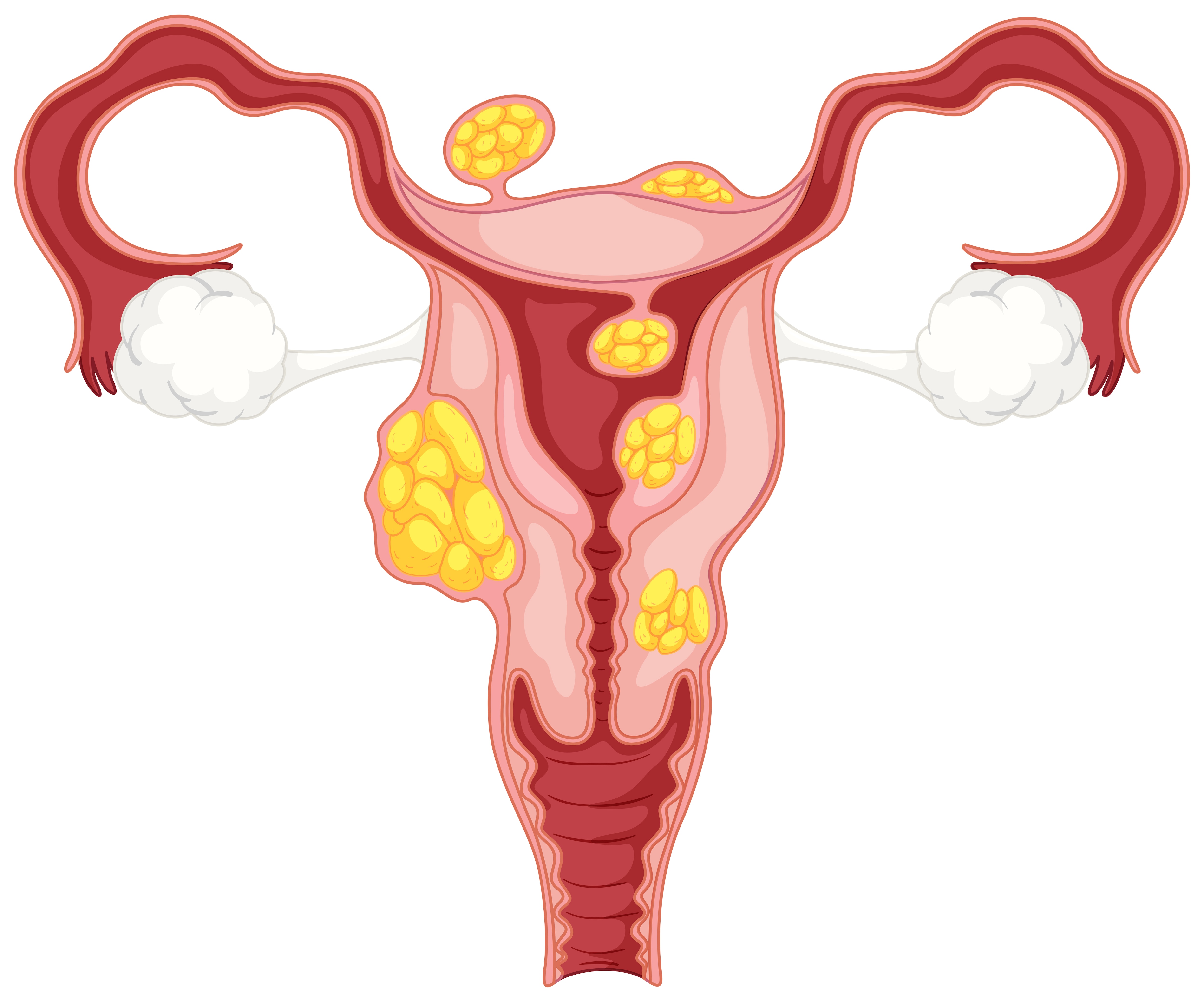
Diagram of subserosal uterine fibroids (PC-Magnific)
The impact of PCOS on fertility extends beyond irregular ovulation. Chronic inflammation, metabolic disturbances, obesity in some women, and hormonal imbalance can all affect egg quality and the environment needed for successful implantation. That said, it is equally important to remember that not every woman with PCOS is overweight. Many have what clinicians call lean PCOS, where body weight appears normal but insulin resistance and hormonal disturbances still exist. Assuming that only overweight women have PCOS often delays diagnosis and treatment.
Age also plays a bigger role than many women realise
Fertility naturally declines after the age of 35 as both the number and quality of eggs reduce. A woman with PCOS who delays pregnancy into her late thirties may therefore be dealing with two separate challenges, age related decline in ovarian reserve and irregular ovulation. Seeking evaluation early allows couples more treatment options and often improves outcomes.
The encouraging news is that most women with PCOS can achieve pregnancy, and many do so without requiring advanced fertility treatment. The first step is restoring regular ovulation wherever possible. Even a modest weight loss of 5 to 10 percent in women who are overweight has been shown to improve insulin sensitivity, regulate menstrual cycles, and increase the chances of spontaneous ovulation. Regular physical activity, balanced nutrition, adequate sleep, and stress management are not simply lifestyle advice. They directly influence the hormonal pathways involved in reproduction.
When lifestyle measures alone are insufficient, medications that stimulate ovulation can be highly effective. Doctors may also prescribe insulin sensitising medicines in selected women, particularly where insulin resistance is significant. If pregnancy still does not occur, assisted reproductive techniques such as Intrauterine Insemination (IUI) or In Vitro Fertilisation (IVF) provide additional options, with treatment tailored to the woman’s age, ovarian reserve, and any male factor infertility.
Irregular Periods
Another misconception worth addressing is that irregular periods can simply be “managed later.” Menstrual irregularity is the body’s way of signalling that ovulation is inconsistent. Ignoring it for years may not only affect fertility but also increase the risk of endometrial hyperplasia, a condition in which the lining of the uterus becomes abnormally thick because it is repeatedly exposed to oestrogen without the balancing effect of progesterone that follows ovulation. Over time, this can increase the risk of abnormal bleeding and, in some cases, endometrial cancer.
The conversation around PCOS should therefore move beyond fertility
Women with PCOS have a higher long term risk of type 2 diabetes, high blood pressure, fatty liver disease, and cardiovascular disease. In fact, the International Evidence Based Guideline for the Assessment and Management of PCOS, updated in 2023 and adopted globally through 2025 and 2026 clinical practice, emphasises lifelong metabolic screening alongside reproductive care because PCOS is a whole body condition, not merely a gynaecological disorder.
The biggest mistake many women make is waiting until pregnancy becomes urgent before seeking help. If your periods are consistently irregular, you have symptoms suggestive of PCOS, or you have been trying to conceive for six to twelve months depending on your age, consult a fertility specialist sooner rather than later.
PCOS can make the journey to pregnancy less predictable, but it rarely closes the door on motherhood. With an accurate diagnosis, personalised treatment, and timely intervention, most women with PCOS can look forward to building the family they hope for. The goal is not simply getting pregnant, but optimising health long before conception begins, because the healthiest pregnancies often start well before the positive pregnancy test.