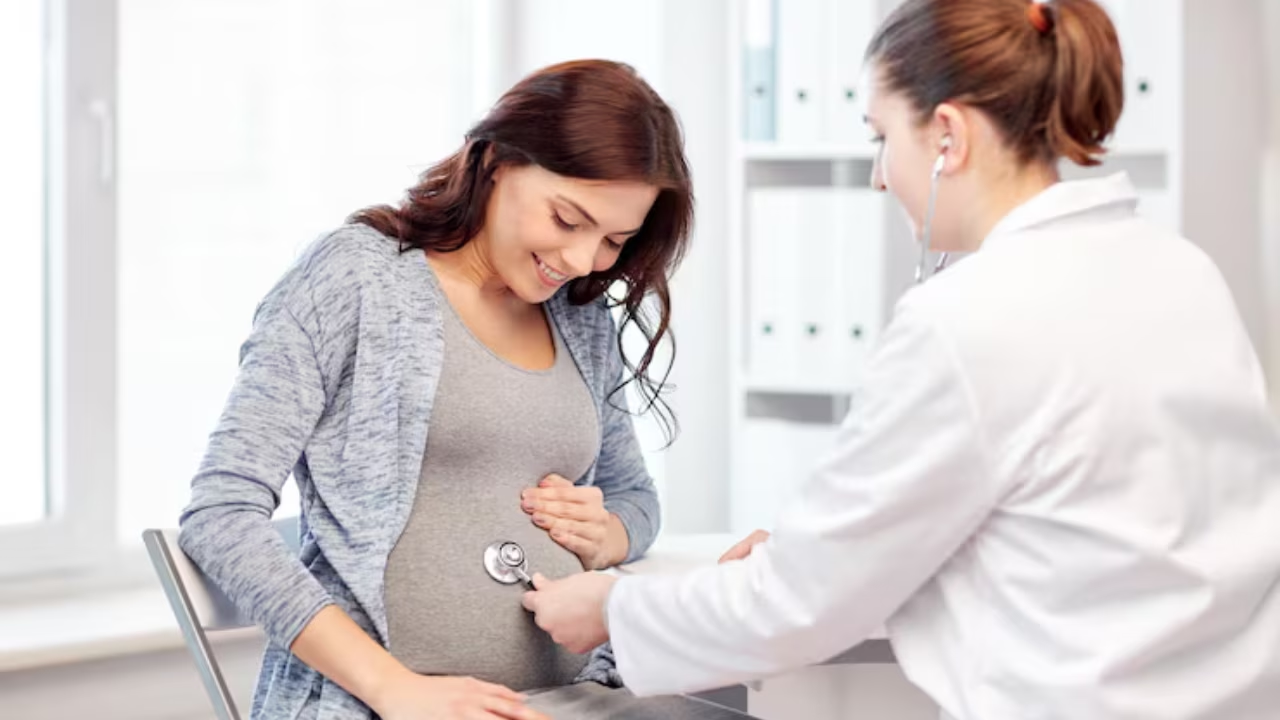
Hepatitis B often shows no symptoms, making routine screening during pregnancy a vital step in prenatal care. On World Hepatitis Day 2026, know why timely testing can help prevent mother-to-child transmission and ensure a healthier start for newborns.
Published: July 28, 2026, 8:16 AM IST
Share Article
https://www.india.com/health/world-hepatitis-day-2026-why-hepatitis-b-screening-during-pregnancy-is-important-expert-explains-8485970/
Why every pregnant woman should be screened for Hepatitis B (PC: Magnific)
Could a simple blood test during pregnancy protect your baby from a lifelong infection? Many expecting mothers focus on scans, nutrition and regular antenatal check-ups, but one routine screening is often overlooked despite its importance – Hepatitis B testing. The virus can be passed from mother to baby during childbirth, yet timely diagnosis and appropriate medical care can significantly reduce that risk. On World Hepatitis Day 2026, we connected with Dr Maimoona Ahmed, Consultant Obstetrician, Fernandez Hospital, Hyderabad, to understand why Hepatitis B screening is an essential part of prenatal care. She explains how early detection allows doctors to take the right preventive steps, protecting both mother and newborn while reducing the chances of long-term liver disease in children.
What is Hepatitis B?
Hepatitis B is a serious liver infection caused by the hepatitis B virus (HBV), presenting as either a short-term acute or long-term chronic disease. Dr Maimoona Ahmed explains, “The Hepatitis B Surface Antigen test or HBsAg is used to detect Hepatitis B, a serious infection affecting the liver caused by the hepatitis B virus (HBV). This simple test helps protect babies from serious lifelong complications.”
Hepatitis B is a virus that can spread
- from a mother to a baby during childbirth,
- through sexual contact,
- accidental exposure through needle sticks or
- sharp injuries or any personal items such as razors or toothbrushes.
Why every pregnant woman should be screened for Hepatitis B?
Hepatitis B infection often causes no obvious symptoms, meaning many women may not know they are infected. That’s why a screening test is critical at the start of a pregnancy. According to Dr Maimoona Ahmed, “Hepatitis B may sound benign as it has no symptoms, the concern is for babies during childbirth. The virus can be passed from mother to baby, and this can lead to these babies developing chronic infection.”
Routine screening during pregnancy helps identify the infection early, so doctors can plan the safest care for both mother and baby. She explains that if a pregnant woman tests positive, healthcare providers can closely monitor the pregnancy and recommend appropriate treatment where necessary. Most importantly, the baby can receive timely preventive care immediately after birth, greatly lowering the risk of infection.
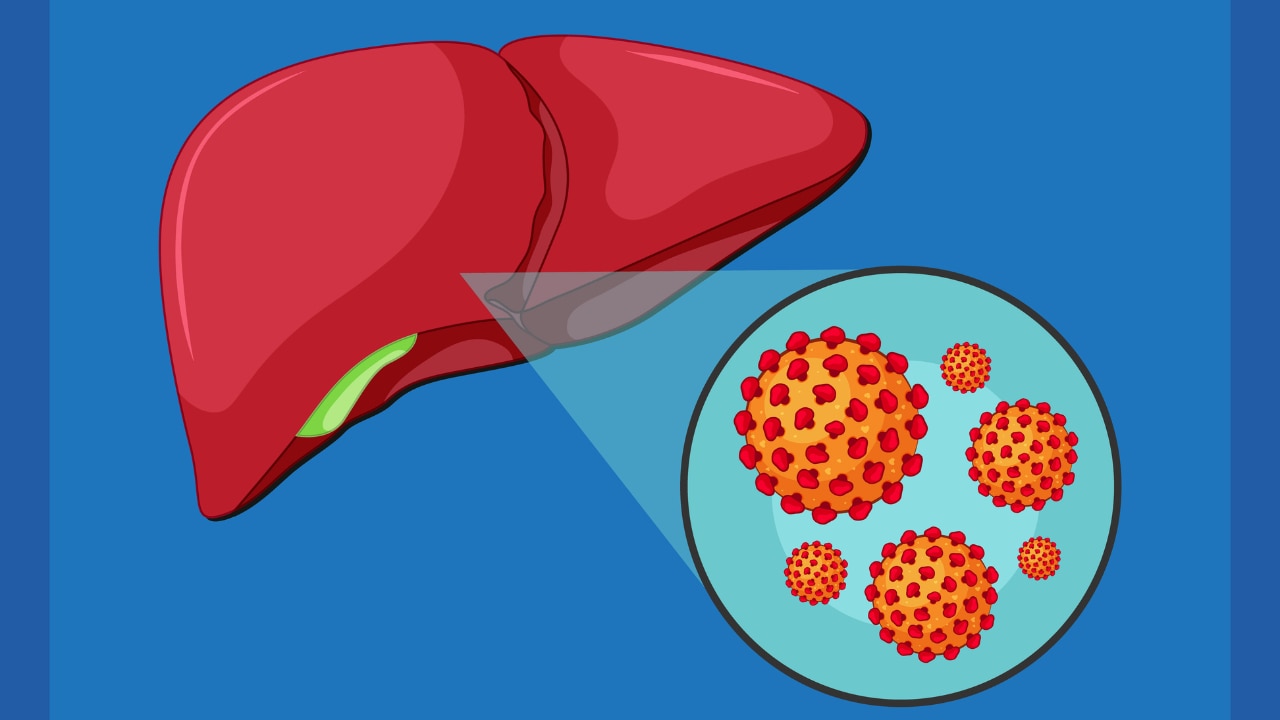
Hepatitis B (PC: Magnific)
How Hepatitis B screening protect the baby?
One of the biggest concerns with Hepatitis B in pregnancy is mother-to-child transmission during delivery. Without proper intervention, babies infected at birth have a much higher chance of developing chronic Hepatitis B, which can increase the risk of liver damage and liver cancer later in life.
Dr Maimoona Ahmed says that knowing the mother’s Hepatitis B status before delivery allows the medical team to prepare the right preventive measures. These include administering the Hepatitis B vaccine shortly after birth and, where recommended, additional treatment based on clinical assessment. In some cases, antiviral medication during late pregnancy may also be advised for women with high viral levels.
Managing Hepatitis B during pregnancy
If a pregnant woman is detected with Hepatitis B, obstetricians, and multidisciplinary teams start planning ahead. Dr Maimoona Ahmed says, “Depending on their condition, some women may need additional tests and treatment. The baby receives Hepatitis B vaccine and Hepatitis B immunoglobulin soon after birth. This reduces the risk of transmission considerably.”
Testing positive does not mean a healthy pregnancy is impossible. With proper medical care, regular follow-up and timely treatment, many women go on to have healthy pregnancies and healthy babies.