

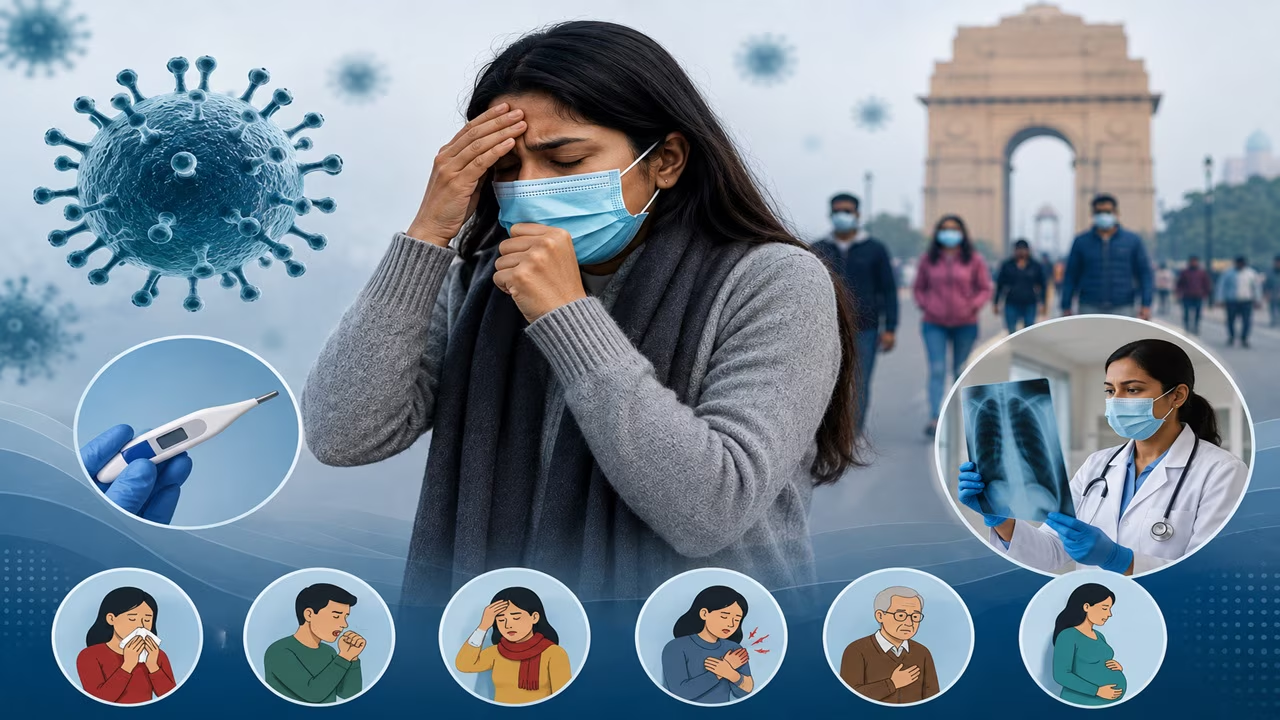
H1N1 is caused by a virus, so antibiotics do not directly treat the infectionTaking antibiotics without medical advice can also contribute to antibiotic resistance.
Updated: August 12, 2026, 2:29 PM IST
Share Article
https://www.india.com/news/india/swine-flu-alert-in-delhi-over-1300-h1n1-cases-reported-dont-ignore-these-warning-signs-know-symptoms-8499554/
Swine Flu ALERT In Delhi: Over 1300 H1N1 cases reported; Don’t ignore THESE warning signs, know symptoms
Delhi is seeing a sharp rise in H1N1 influenza cases this year, with 1,344 infections reported so far, according to latest reportsThe figure is nearly six times higher than the 229 cases recorded from last yearPeople across Delhi-NCR are reporting fever, cough, body aches and other flu-like symptomsHowever, health experts believe that the rise in cases does not mean that every person with a seasonal flu-like illness has H1N1The Delhi health authorities continue to maintain arrangements for H1N1 management, including medicines and vaccines.
What is H1N1 or swine flu?
H1N1 is a type of Influenza A virus that mainly affects the respiratory systemIt can spread from an infected person through respiratory droplets when they cough, sneeze or talk.
For most healthy people, the infection can be managed with appropriate careHowever, the illness can become serious in some people and may lead to complications requiring hospital treatmentRecent reports have also highlighted an increase in H1N1-related hospital and ICU admissions in some parts of India.
Common symptoms of H1N1
The symptoms can look similar to those of other viral respiratory infectionsCommon signs include:
- Fever
- Cough
- Sore throat
- Runny or blocked nose
- Headache
- Body ache
- Chills
- Tiredness or weakness
Some people can also experience vomiting or diarrhoea, particularly children.
Who is more likely to develop complications?
H1N1 can affect anyone, but certain groups face a higher risk of severe illnessThese include young children, older adults, pregnant women and people with underlying medical conditions.
People with conditions affecting the lungs or heart, as well as those with diabetes, kidney or liver problems, neurological disorders, cancer or weakened immunity, may need closer medical attentionDelhi’s health guidance also identifies people aged 65 and above and those receiving long-term steroid treatment as higher-risk groups.
When should you see a doctor?
A mild fever, cough or body ache does not necessarily mean that someone needs hospitalisationHowever, medical advice should be sought if symptoms are severe, getting worse or not improving.
Breathing difficulty, chest pain, extreme drowsiness, a fall in blood pressure, coughing up blood or bluish discolouration of the nails or skin are warning signs that require urgent medical attention.
Children need particular attention if they develop persistent high fever, difficulty breathing, unusual sleepiness, seizures or difficulty feeding.
People with existing health conditions should also contact a doctor early rather than waiting for symptoms to become severe.
Why antibiotics may not help
H1N1 is caused by a virus, so antibiotics do not directly treat the infectionTaking antibiotics without medical advice can also contribute to antibiotic resistance.
Doctors may prescribe antiviral medicines such as oseltamivir in appropriate cases, particularly for people at higher risk or those with more serious symptomsDelhi’s official H1N1 guidance recommends medical assessment to determine who needs such treatment.
How to reduce the risk of infection
Simple precautions can help reduce the spread of influenzaPeople with flu-like symptoms should avoid close contact with others, especially vulnerable family members, and maintain good hand and respiratory hygiene.
Wearing a mask in crowded or poorly ventilated places can also reduce exposure to respiratory infectionsFlu vaccination is another important preventive measure, particularly for people at higher risk of complications.
Delhi’s current H1N1 surge is a reminder that flu should not be ignored simply because it is a familiar seasonal illnessAt the same time, experts advise against panic: recognising symptoms early, protecting high-risk people and seeking medical care when warning signs appear remain the key steps.