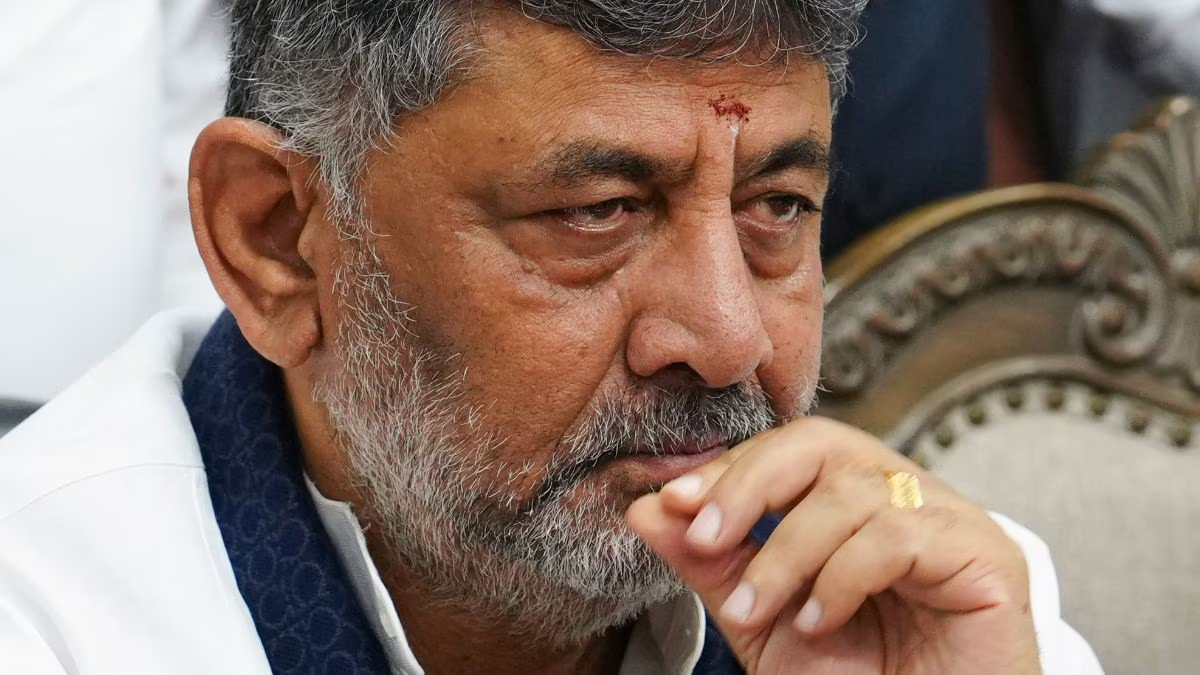
DK Shivakumar challenges: The new administration faces challenges on many fronts: political, administrative, and economic. These include balancing regional and caste equations in the new cabinet, continuing welfare schemes amid financial pressure, and resolving the politically sensitive Mekedatu reservoir issue.
Updated: May 30, 2026, 11:32 AM IST
Share Article
https://www.india.com/news/india/dk-shivakumar-challenges-karnataka-government-formation-ahinda-to-mekedatu-a-crown-of-thorns-awaits-new-karnataka-cm-with-5-major-hurdles-ahead-updates-8430554/
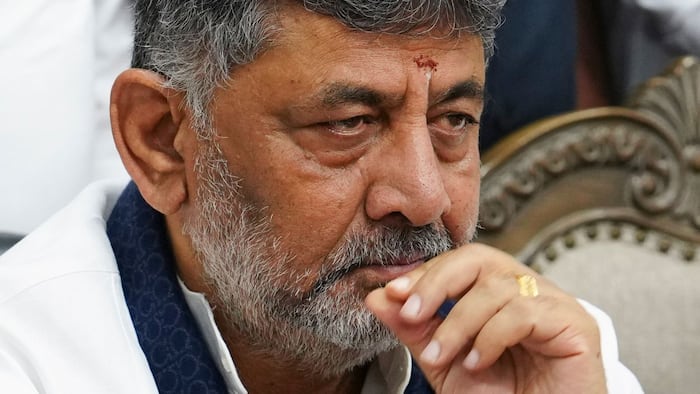
DK Shivakumar challenges: From Ahinda to Mekedatu… a crown of thorns awaits new Karnataka CM, with 5 major hurdles ahead (PTI photo)
Amid major political turmoil in Karnataka, Siddaramaiah has resigned as Chief Minister, and DK Shivakumar has been finalised to be the new Chief Minister with the swearing in expected to be on June 3. However, the new Chief Minister of Karnataka will face many challenges.
The new administration faces challenges on many fronts: political, administrative, and economic. These include balancing regional and caste equations in the new cabinet, continuing welfare schemes amid financial pressure, and resolving the politically sensitive Mekedatu reservoir issue. These tasks will be daunting for Shivakumar.
Cabinet formation
Shivakumar faces a significant challenge in choosing a council of ministers even before he formally takes office. The Congress high command will face competing demands from senior legislators representing influential caste groups, regions, and factions within the party.
With loyalists of former Chief Minister Siddaramaiah already demanding continuity and Shivakumar’s camp hoping for greater representation, the portfolio allocation process could become complicated.
The possibility of appointing multiple deputy chief ministers further complicates the matter. Shivakumar will have to strike a careful balance, as even the slightest hint of regional or caste imbalance could spark discontent.
Keeping AHINDA united
One of Shivakumar’s biggest political challenges is maintaining the AHINDA support base that Siddaramaiah painstakingly cultivated. AHINDA is a Kannada acronym standing for Alpasankhyataru (Minorities), Hindulidavaru (Backward Classes), and Dalitaru (Dalits). This social coalition of minorities, backward classes, and Dalits played a key role in Congress’s return to power in 2023 and remains a key focus of the party’s election strategy.
Although Shivakumar enjoys strong support among the Vokkaliga community and has complete control over the party organisation, political analysts say he will have to assure the Ahinda communities that their interests will continue to be protected.
Even the slightest neglect or resentment could give the opposition BJP-JDS a chance to regain lost ground. Therefore, continuing welfare schemes for the economically weaker sections will be politically crucial.
Shivakumar’s ability to work in coordination with Siddaramaiah will determine whether Congress regains power in 2028. Siddaramaiah has vowed to remain active in state politics.
Guarantee vs. Government Treasury
Managing the state’s finances while continuing Congress’s key guarantee schemes could prove to be a difficult task. The government already spends around 51,000 crore rupees annually on five schemes, including Griha Lakshmi, Shakti, Anna Bhagya, Yuva Nidhi, and Griha Jyoti.
While these schemes have been largely well received, economists and the opposition have repeatedly raised concerns about the increasing fiscal pressure and its impact on capital expenditure.
Revenue mobilization, rising subsidy commitments, and borrowing limits will remain key concerns, but cutting welfare programs could carry political risks. Improving tax collection, attracting investment, and prioritizing spending should be the primary goals.
Ahead of Bengaluru
Expanding development beyond Bengaluru and addressing agricultural concerns is another key area that needs attention. While Bengaluru continues to dominate in terms of investment, infrastructure, and administrative attention, representatives from northern and rural Karnataka have consistently demanded greater attention to these areas.
Farmers in many districts are facing problems related to drought, lack of irrigation, crop damage, and fluctuating market prices. Congress MLAs from rural areas are expected to press the new government to prioritize irrigation projects, rural roads, drinking water supply, and agricultural support measures.
Balancing Bengaluru’s urban infrastructure demands and rural development aspirations will require a judicious allocation of resources. Shivakumar’s administration will be judged not only by Bengaluru’s growth, but also by whether development reaches smaller towns.
Mekedatu and Cauvery dispute
The long-delayed Mekedatu Balancing Reservoir Project and the major dispute over the Cauvery River are expected to emerge as sensitive political challenges. Shivakumar, who strongly advocated for the Mekedatu project by walking from Kanakapura to Bengaluru ahead of the 2023 elections, will be under immense pressure to move the project forward as Chief Minister.
Karnataka insists the project is necessary to meet Bengaluru’s drinking water needs, while neighbouring Tamil Nadu has consistently opposed it, citing concerns over its share of Cauvery river water.
Tamil Nadu’s new Chief Minister, C. Joseph Vijay, has already taken a firm stance on the issue. Shivakumar’s handling of the ongoing tensions over water sharing could prove to be one of the most crucial tests of his tenure.