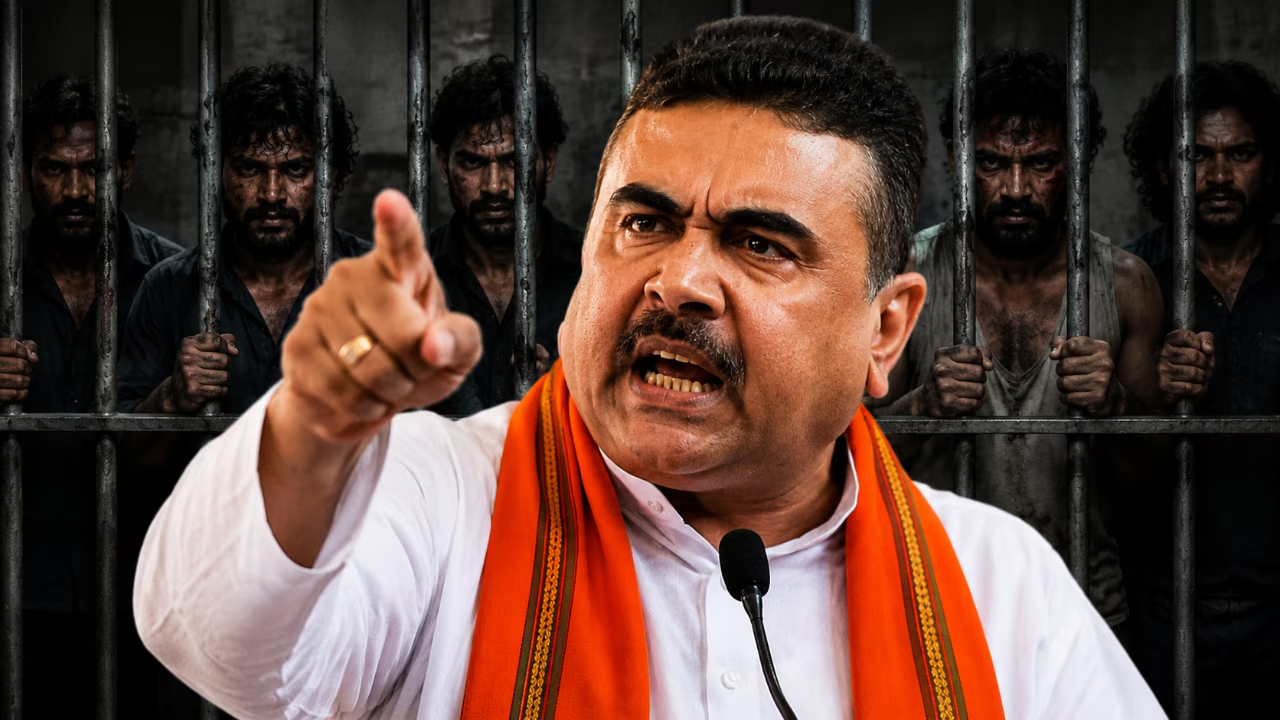
West Bengal has introduced a legal framework that allows authorities to seize and auction the properties of those accused of participating in riots or violent protests to recover compensation for damages caused.
Published: July 14, 2026, 9:58 AM IST
Share Article
https://www.india.com/news/india/suvendu-adhikari-west-bengal-goonda-suppression-maintenance-of-public-orderm-bjp-agnimitra-paul-dilip-ghosh-arjun-singh-swapan-dasgupta-kolkata-police-tmc-mamata-banerjee-8473204/
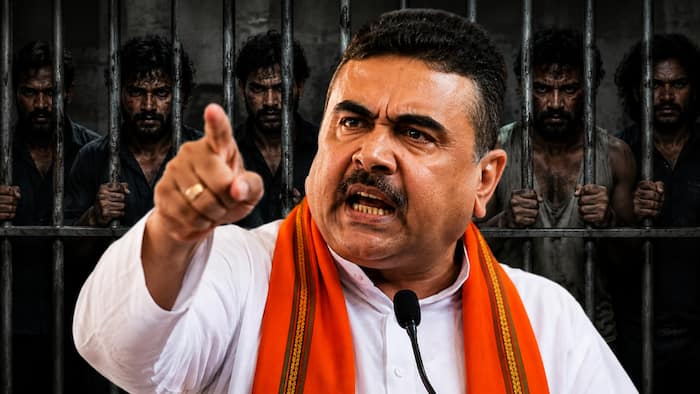
West Bengal CM Suvendu Adhikari
New Delhi: The Suvendu Adhikari-led West Bengal government on Monday implemented two stringent new laws—the “Goonda Suppression” act and amendments to the “Maintenance of Public Order” law—aimed at cracking down on organized crime, syndicates, smuggling, and violent protests. These are being described as among the toughest internal security laws in the country.
Under these new laws, the administration can now detain suspects for up to one year without trial and seize and auction the properties of those accused of involvement in riots and vandalism.
It is claimed that the legislation draws inspiration from Maharashtra’s MPDA Act, Uttar Pradesh’s Goonda Control Act, and the National Security Act (NSA), while incorporating several new and more stringent provisions.
Expanded definition of a “goonda”: According to experts, the law includes provisions for preventive detention similar to Maharashtra’s MPDA Act, while also broadening the definition of a “goonda” along the lines of Uttar Pradesh’s legislation.
Here are some of the key details:
- West Bengal’s new law will give power to detain a suspect for up to 12 months without trial
- The power has been vested directly in the District Magistrate and the Police Commissioner’s hands.
- West Bengal has introduced a legal framework that allows authorities to seize and auction the properties of those accused of participating in riots or violent protests to recover compensation for damages caused.
- The law also provides for fines of up to twice the value of the assessed damage, making it even more stringent.
- On Monday, Chief Minister Suvendu Adhikari said that during 34 years of Left Front rule and 15 years of Trinamool Congress rule, organized crime, syndicates, and political violence had become deeply entrenched in the state.
- He argued that the existing laws were inadequate to deal with these challenges, making the new legislation necessary.
- Trinamool Congress has described the law as “repressive.”
- Leader of the Opposition Ritabrata Banerjee said the party would launch street protests against what it called the draconian legislation.
Challenged in the High Court on the very first day
Even before coming into force, the law faced a serious legal challenge. CPI(M) leader and advocate Sabyasachi Chatterjee filed a Public Interest Litigation (PIL) in the Calcutta High Court, seeking an immediate stay on its implementation. A division bench headed by Acting Chief Justice Tapobrata Chakraborty admitted the petition and agreed to hear the matter later this week.
The petitioner argues that detaining a person for up to a year solely on the basis of suspicion is a direct violation of citizens’ fundamental rights and the Constitution.