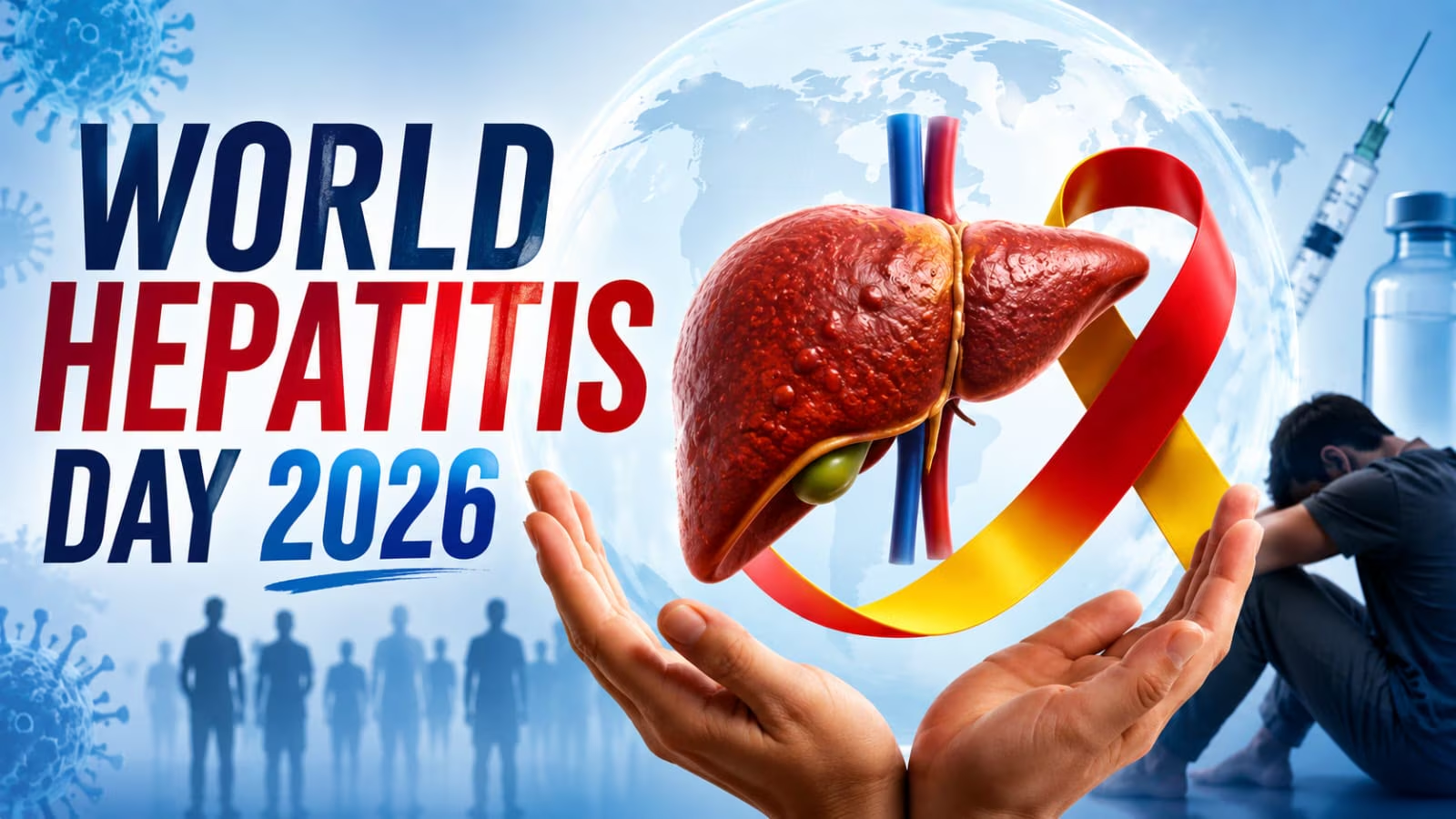
World Hepatitis Day 2026 is an opportunity to understand the impact of hepatitis, learn why early diagnosis matters, and separate medical facts from common misconceptions.
Share Article
https://www.india.com/health/world-hepatitis-day-2026-theme-history-significance-and-common-myths-about-hepatitis-you-shouldnt-ignore-8485810/
Importance of the day and the myths about hepatitis (PC: Meta AI)
World Hepatitis Day 2026: World Hepatitis Day will be observed on July 28 across the world to spread awareness about viral hepatitis and encourage people to take better care of their liver health. Even today, millions of people are living with hepatitis without knowing they are infected because the disease often develops silently. The annual observance aims to remind people that timely testing, vaccination and proper treatment can prevent serious liver diseases and save lives.
World Hepatitis Day 2026 theme
The official theme for World Hepatitis Day 2026 is “Hepatitis: Let’s Break It Down.” This year’s campaign will focus on breaking down the barriers that stop people from getting tested and treated. These barriers include misinformation, social stigma, lack of awareness, financial difficulties and unequal access to healthcare services.
Read more:
Why is Kalmegh called Mahatikta in Ayurveda and how does it help cleanse the liver naturally?
The theme also highlights the need to simplify conversations around hepatitis so that more people understand the disease without fear or confusion. Health organisations around the world will use the campaign to promote early diagnosis, vaccination, screening programmes and affordable treatment. The larger goal remains the same, eliminating viral hepatitis as a public health threat by the year 2030.
History of World Hepatitis Day
The history of World Hepatitis Day dates back to 2004 when patient groups launched International Hepatitis C Awareness Day on October 1. As awareness about the disease grew, the World Hepatitis Alliance introduced the first global World Hepatitis Day in 2008 on May 19.
Later, in 2010, the World Health Assembly officially shifted the observance to July 28. The date was selected to honour Dr. Baruch Blumberg, the Nobel Prize-winning scientist who discovered the Hepatitis B virus. He also developed the first diagnostic test and vaccine against Hepatitis B, making a remarkable contribution to global healthcare. His research continues to play a major role in preventing millions of hepatitis infections every year.
Why World Hepatitis Day is important?
World Hepatitis Day is one of the most important global health awareness campaigns because viral hepatitis continues to affect millions of people every year. According to global health estimates, more than 1.3 million people lose their lives annually due to complications caused by chronic Hepatitis B and Hepatitis C infections.
The biggest concern is that hepatitis is often called a silent disease. Many infected people experience no symptoms for years while the virus slowly damages the liver. If left untreated, it can lead to liver cirrhosis, liver failure and liver cancer.
This year’s observance will once again encourage regular health check-ups, early screening and timely treatment. It also highlights the importance of newborn vaccination within 24 hours of birth, which is considered one of the most effective ways to prevent Hepatitis B infection.
Understanding the different types of hepatitis
Many people believe hepatitis is a single disease, but there are actually five major types, Hepatitis A, B, C, D and E. Each one spreads differently and affects the body in different ways.
Hepatitis A and Hepatitis E usually spread through contaminated food or drinking water. These infections generally cause short-term illness and most patients recover completely with proper medical care.
Hepatitis B, Hepatitis C and Hepatitis D spread mainly through infected blood or certain body fluids. These infections can become chronic and may lead to long-term liver damage if they are not diagnosed and treated early.
Common myths about hepatitis you should not ignore
Several myths continue to create confusion about hepatitis and often stop people from seeking medical advice. One common myth is that hepatitis spreads through hugging, shaking hands or sharing food. In reality, Hepatitis B and Hepatitis C do not spread through casual contact. They require direct exposure to infected blood or certain body fluids.
Another misconception is that only people with unhealthy lifestyles develop hepatitis. The truth is that anyone can become infected through unsafe medical procedures, unsterilised needles, infected blood transfusions, tattoo equipment or transmission from mother to baby during childbirth.
Many people also believe that if they feel healthy they cannot have hepatitis. This is incorrect because chronic Hepatitis B and Hepatitis C may remain symptom-free for many years. Regular screening is the only reliable way to detect these infections early.
There is also a misunderstanding that vaccines are available for every type of hepatitis. Vaccines currently protect against Hepatitis A and Hepatitis B, but there is still no approved vaccine for Hepatitis C. The good news is that modern antiviral medicines can successfully cure most Hepatitis C infections when diagnosed in time.
How can you protect yourself from hepatitis?
Preventing hepatitis is possible through simple but effective measures. Doctors recommend getting vaccinated against Hepatitis A and Hepatitis B, maintaining good hygiene, drinking clean water, avoiding unsafe injections, ensuring tattoo or piercing equipment is sterilised and practising safe healthcare habits. People who are at higher risk should also undergo regular screening because early diagnosis greatly improves treatment outcomes.