



The CAQM has announced new measures to improve air quality in Delhi-NCRUnder the guidelines, new registrations of light goods vehicles in high vehicle density districts will be limited to electric vehicles from 2027The move is expected to have a significant impact on freight and delivery operators.
Published: August 24, 2026, 12:05 AM IST
Share Article
https://www.india.com/news/india/delhi-ncr-new-pollution-rules-what-caqm-curbs-mean-for-cng-freight-vehicles-8508386/
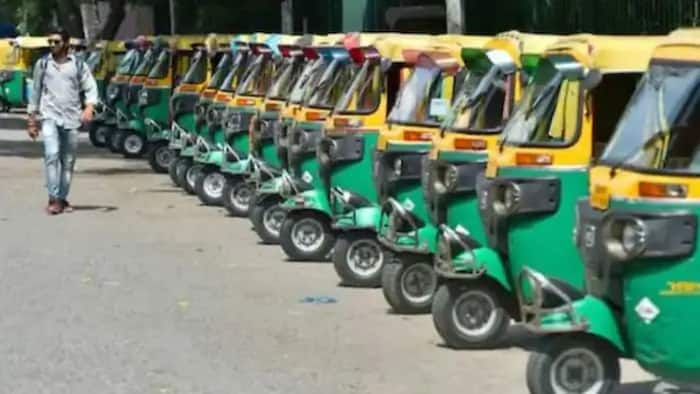
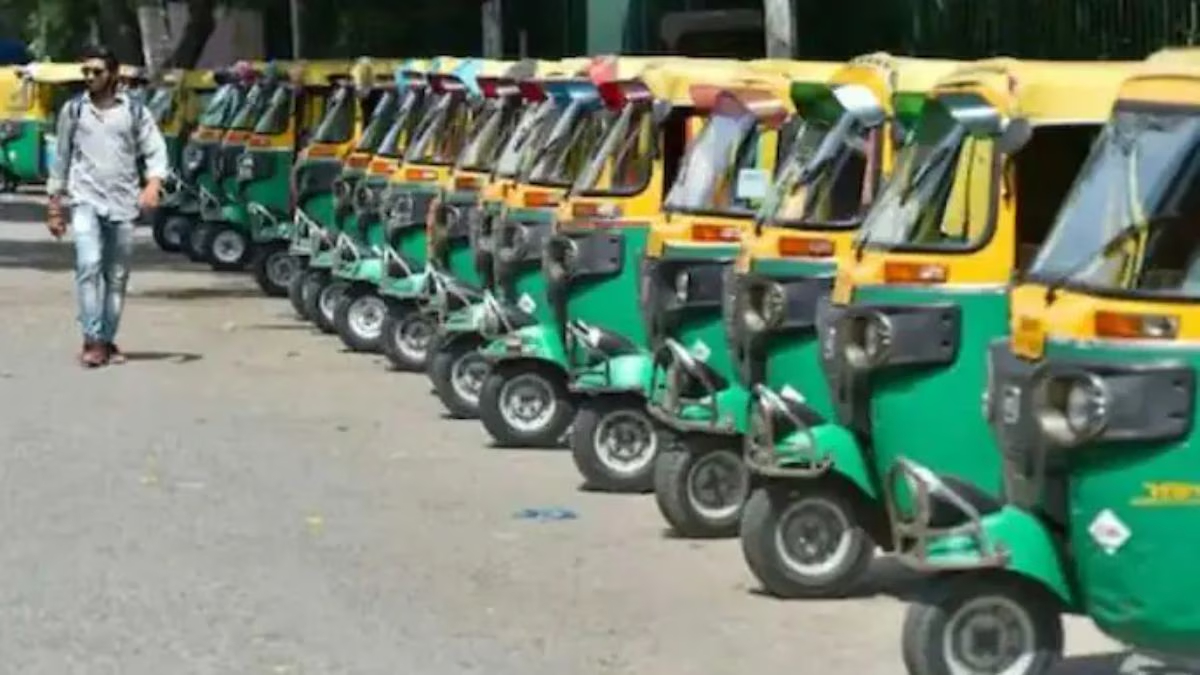
Under the new CAQM rules, N2 vehicles weighing 3,500–7,500 kg will face restrictions in phasesRepresentational Image
The Commission for Air Quality Management (CAQM) has introduced a phased restriction on the registration of new light goods vehicles running on petrol, diesel and CNG in high vehicle density districts of Delhi-NCRThe measure, issued under CAQM Guideline No102, will come into effect from January 1, 2027, as part of efforts to curb air pollution.
Commission Member-Secretary Tanmay Kumar Pithode said the new rule will be implemented in Delhi from January 2027For other NCR districts, the rollout will begin in 2028 because the required electrical infrastructure is not yet adequate.
What is the new rule for N1 category vehicles?
The CAQM has divided goods vehicles into categories based on their weight and set different implementation timelinesUnder the N1 category, which includes vehicles weighing up to 3,500 kg, new registrations from January 1, 2027, will be restricted to electric vehicles.
In NCR districts with high vehicle density, such as Gurugram, Faridabad, Sonipat, Ghaziabad, and Gautam Buddha Nagar, the ban will take effect on July 1, 2027In the remaining NCR districts, petrol and diesel vehicles will be banned from January 1, 2028.
This is the new rule for N2 category vehicles
Under the new CAQM rules, N2 vehicles weighing 3,500–7,500 kg will face restrictions in phasesDelhi will allow only electric N2 vehicles from January 1, 2028The same requirement will apply in NCR’s high vehicle density districts from July 1, 2028, and in the remaining NCR districts from January 1, 2029.
Only 1.2 per cent of vehicles, but contribute 3.3 per cent to pollution
The CAQM report highlights that freight vehicles, despite forming a relatively small portion of Delhi’s active vehicle fleet, are a significant source of pollutionLGVs contribute 5.1 per cent of the PM emissions generated by active vehicles in the city.
LGVs contribute 2.3 per cent of PM emissions in HVD districts and 3.1 per cent across the remaining NCR areas, according to the CommissionIt noted that while CNG vehicles emit less direct particulate pollution, their NOx emissions can lead to the formation of secondary particulate matterThe CAQM said a gradual shift away from CNG vehicles is necessary to achieve cleaner air over the long term.
This will be the effect of CAQM’s decision
The new fuel standards are expected to have a positive impact on the environment by reducing PM2.5 levels and harmful emissions throughout the yearThe measures could also help lower NOx emissions from conventional CNG vehiclesAlthough the benefits may take time to become noticeable, officials expect the rules to contribute to a sustained improvement in air quality in the long run.
New rules may make vehicle purchases more expensive
The decision could have wider commercial and economic consequences, especially for the courier, logistics and e-commerce sectorsCompanies may need to shift their delivery fleets towards electric vehicles, which typically involve higher upfront costs than petrol or diesel modelsSmall transport operators and individual drivers could face the biggest financial burden if government subsidies and easy financing options are not available.