Karisma Kapoor shared a funny story from their family vacations and recalled that while everyone would be excited to shop in London, this family member would skip shopping altogether and prefer eating out instead. He is…
Share Article
https://www.india.com/entertainment/when-karisma-kapoor-revealed-who-the-biggest-kanjoos-in-the-kapoor-family-is-8439302/
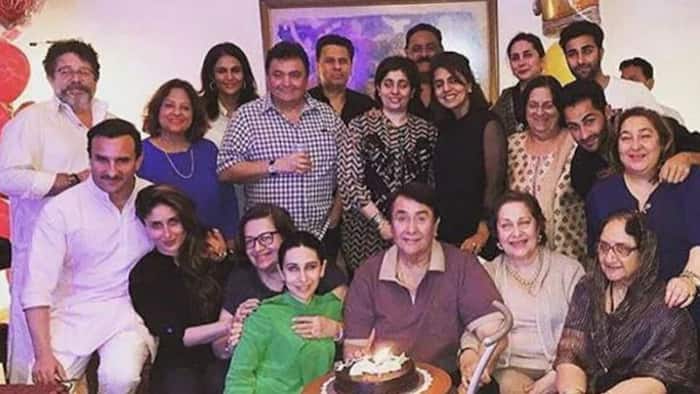
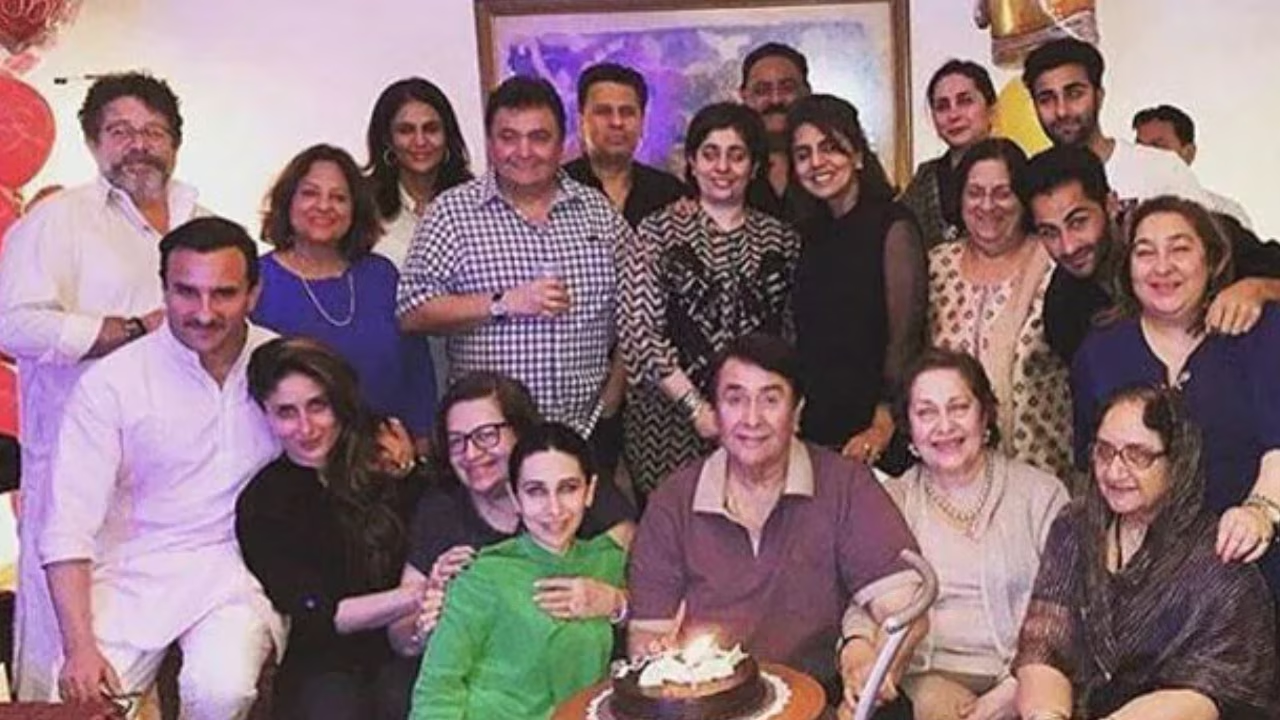
Kapoor Family (PC- Instagram)
Actress Karisma Kapoor once shared a funny anecdote about her father, veteran actor Randhir Kapoor, during an appearance on The Kapil Sharma Show. When host Kapil Sharma jokingly asked who the biggest “kanjoos” (miser) in the Kapoor family was, Karisma pointed towards her father. Responding to the playful accusation, Randhir Kapoor explained that he simply believes in getting “value for money” and is careful about spending. Karisma added that her father has never been much of a shopping enthusiast.
Recalling their family vacations, she said that while everyone else would be excited about shopping trips in London, Randhir Kapoor would return empty-handed. When she asked him if he had gone shopping, he would casually reply, “Yes, I went. Then I went to eat.” The light-hearted exchange left the audience in splits and offered a glimpse into the Kapoor family’s fun dynamic.
Karisma shared when she would ask her father about what all he got for himself, he would excitedly tell her that he got two pairs of socks. As she would insist him to go shopping once again, this time he would come back with two pairs of socks and two handkerchiefs. “He never spends on himself. Everyone else he would spend but himself,” revealed Karisma.
Putting his point forward, Randhir concluded the conversation, saying, “What else does a man need – Socks, handkerchiefs, and ties, two to four shirts, and one or two pants.”
Talking about Randhir’s cinematic journey, after working as a child artist in his father Raj Kapoor’s “Shree 420”, he made his acting and directorial debut as a lead in the 1971 family entertainer, “Kal Aaj Aur Kal”.
After that, he went on to become a part of some notable movies such as Jeet” (1972), “Jawani Diwani” (1972), “Raampur Ka Lakshman” (1972), and “Haath Ki Safai” (1974), naming just a few.